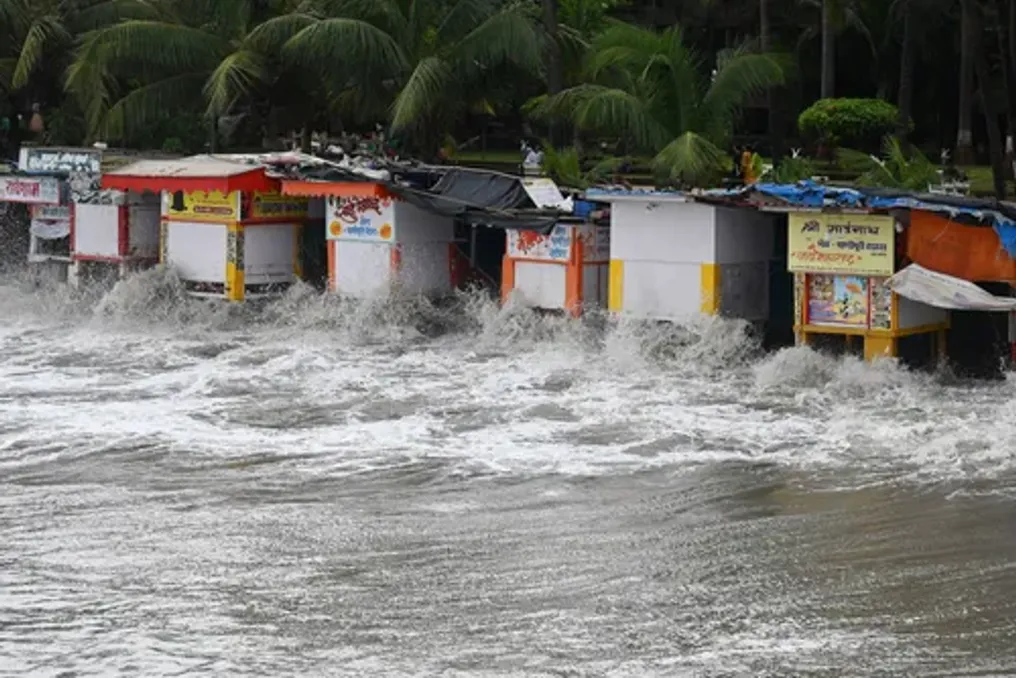
India prepares for second cyclone in less than a week
Read more
IOL
iol.co.za

India prepares for second cyclone in less than a week

The India Meteorological Department (IMD) reported that a second cyclone is heading towards the eastern coast of India in less than a week, as of Tuesday morning.

Cyclone Murasu is expected to make landfall around midnight on Monday or early Tuesday morning, bringing heavy rainfall to Andhra Pradesh and neighboring Tamil Nadu.

The cyclone season has intensified due to the El Niño phenomenon, which has contributed to unprecedented warming, causing global changes in wind, pressure, and precipitation patterns.

IMD forecasts that Murasu will likely pass along the coast of southern Andhra Pradesh as a severe cyclonic storm with wind speeds of about 100–110 kilometers per hour (60–70 mph), with gusts up to 120 km/h.

The storm is expected to affect the coastline between Nellore and Narsapur, near the town of Ongole. It should be noted that last Wednesday, the Andhra Pradesh coast was affected by Cyclone Arnab, which caused heavy rains and claimed at least three lives.

Murasu is predicted to be weaker than its predecessor in terms of wind speed, but it could still bring additional heavy rains to already affected areas.

Cyclones, known as hurricanes in the North Atlantic and typhoons in the Pacific Ocean, are a regular threat in the Bay of Bengal and the northern Indian Ocean. The meteorological department warned that strong winds could damage thatched houses, tear off roofs and knock down trees, and also harm crops, plantations, and gardens.

Similar stories

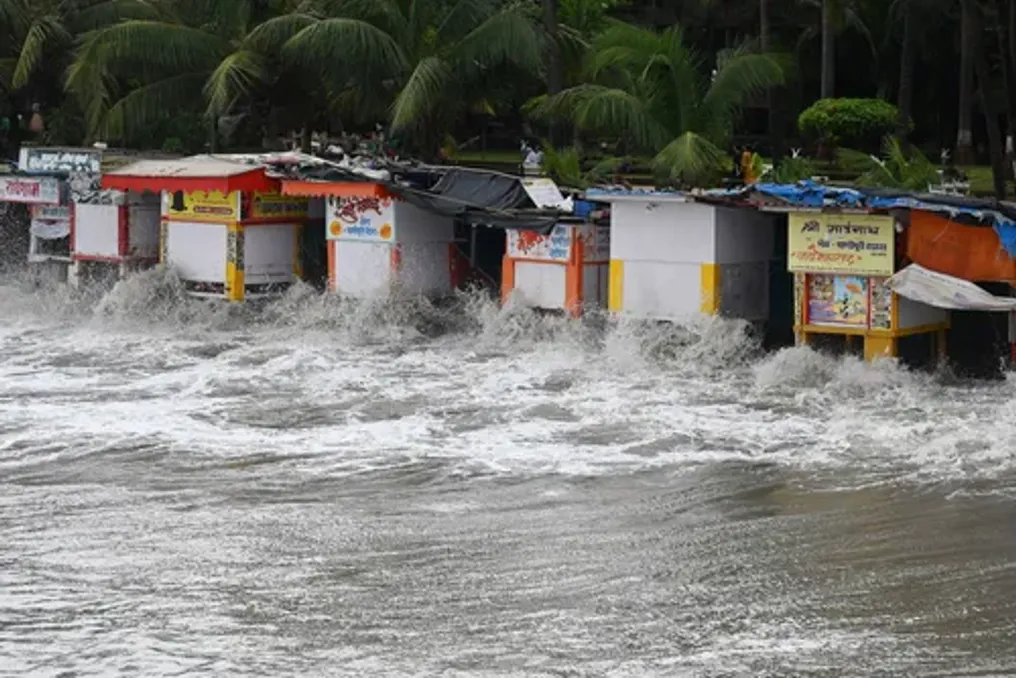
Cyclone Murasu heads towards the east coast of India; strong winds and heavy rains expected
Read more
iol.co.za

Cyclone Murasu heads towards the east coast of India; strong winds and heavy rains expected

The second cyclone is heading towards the east coast of India in less than a week. According to the Indian Meteorological Department (IMD), Storm Murasu is expected on Monday night.

It is forecasted that Cyclone Murasu will make landfall between Nellore and Narsapur, bringing strong winds and heavy rainfall to parts of Andhra Pradesh and Tamil Nadu.

The IMD reported that there is a high probability that it will pass along the southern coast of Andhra Pradesh as a severe cyclonic storm, with an expected wind speed of about 100–110 kilometers per hour (60–70 miles per hour), with gusts up to 120 km/h.

The point of landfall is expected to be located between Nellore and Narsapur, near the city of Ongole. Cyclone Murasu is predicted to be weaker than its predecessor in terms of wind speed, but it may cause further heavy rains in already affected regions.

The cyclone season has intensified due to the El Niño phenomenon, which has contributed to unprecedented warming and caused global changes in pressure, wind, and precipitation patterns.

Previously, last Wednesday, the Andhra Pradesh coast was affected by Cyclone Arnab, which brought heavy rains and claimed at least three lives.

The meteorological department warned that strong winds could damage thatched houses, tear off roofs, uproot trees, and also harm crops, plantations, and gardens.

Cyclone Arnab brings storms to India; rain and snow expected in Nepal
Read more
timesofindia.indiatimes.com

Cyclone Arnab brings storms to India; rain and snow expected in Nepal

Cyclone 'Arnab' caused significant damage to the eastern coast of India, leading to fallen trees and power poles, damaged roads, and heavy downpours. In some areas of Andhra Pradesh and Odisha, precipitation up to 30 centimeters was recorded. The effects of this storm are expected to extend to Nepal, which is preparing for several days of rain, thunderstorms, and snowfall starting on Thursday.

The weather forecasting division of the Nepal Meteorological Department reported that the country is currently under partial influence of western winds, and the approaching cyclone is expected to bring abundant precipitation and the risk of heavy rain and snowfall over the weekend.

The department stated in its latest bulletin that 'the country is currently under partial influence of western winds. Furthermore, the country is expected to come under the influence of Cyclone 'Arnab', which formed over the Bay of Bengal, starting from 12th Kartik (Thursday)'.

On Wednesday morning, weather conditions in the Himalayan and hilly regions remained relatively clear, but fog and haze affected parts of the Terai, valleys, and river basins. An increase in cloud cover and scattered precipitation is forecast from mid-Wednesday, with conditions becoming more unstable at night.

The districts of Koshi, Madhesh, Bagmati, Gandaki, and Lumbini are among those expecting rain, while snowfall is possible in the Himalayan regions. The risk will increase on Thursday night, when rain and snow may be accompanied by thunderstorms and lightning. Heavy rainfall is possible in parts of the Koshi, Bagmati, and Gandaki provinces, and some areas of Lumbini may also receive heavy rain.

The most extensive impact is expected on Friday and Saturday. The department warned that heavy rains or snowfall could affect several provinces, and there is a possibility of very heavy precipitation in isolated places. The forecast for Friday states: 'Mostly cloudy across the country. In most places in the Koshi, Madhesh, Bagmati, Gandaki, and Lumbini provinces, as well as in many places in the Karnali and Sudurpashchim provinces, light or moderate rain or snowfall accompanied by thunder and lightning is possible.'

The combination of western winds and humidity associated with Cyclone Arnab may increase the threat of flooding in low-lying areas and landslides in vulnerable hilly zones. Heavy snowfall may also create dangerous conditions in high-altitude areas.

Meanwhile, in India, at least three people died in Andhra Pradesh on Wednesday due to incidents related to Cyclone Arnab. The South Coast Railway (SCoR) cancelled 57 trains and postponed the schedule of another 15 as a precautionary measure. However, officials quoted by ANI reported that the cyclone weakened from a very severe to a severe tropical storm after making landfall and was expected to continue weakening. Four additional NDRF teams were deployed to Andhra Pradesh.

Popular