Ambuja Cements invests $1.5 billion to increase capacity to 155 million tons per year by FY2030
Read more
Business Standard
business-standard.com

Ambuja Cements invests $1.5 billion to increase capacity to 155 million tons per year by FY2030

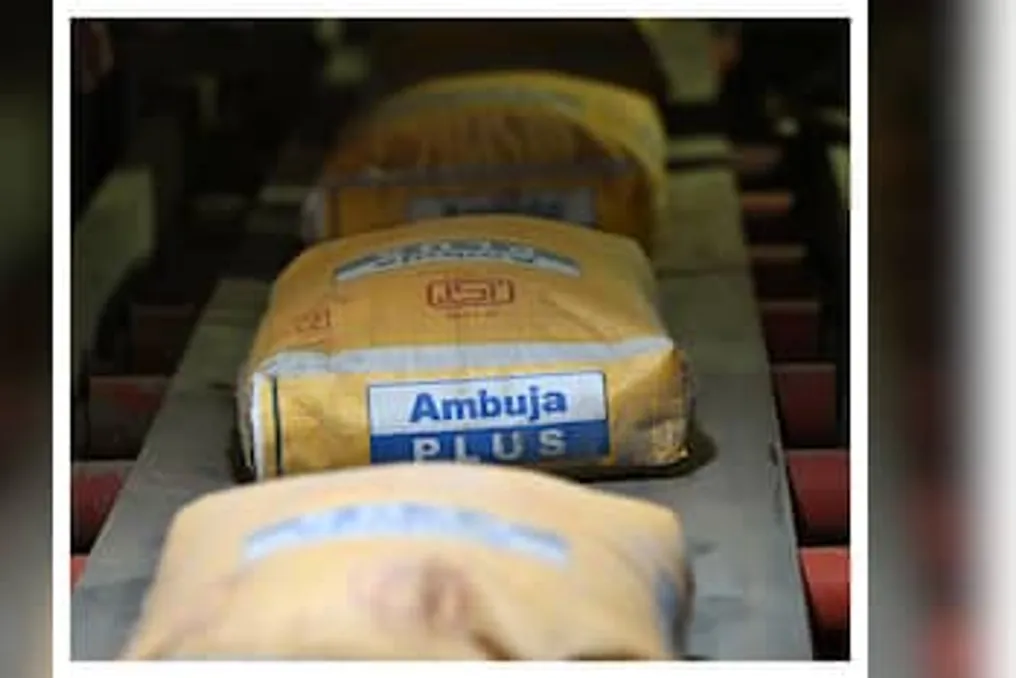
Ambuja Cements announced on Monday plans to invest 14,500 crore Indian rupees, equivalent to $1.53 billion USD, with the aim of increasing its cement production capacity to 155 million metric tons per year by the fiscal year 2030.

Cement manufacturers in India have been actively expanding their capacities in recent years to meet the projected demand in the housing and infrastructure sectors. Companies are investing in new production lines and crushing units to strengthen their presence in key regional markets.

Currently, Ambuja has a capacity of 113.5 million tons per year, and the company expects this capacity to reach 119 million tons per year by March 2027.

This expansion covers new production facilities in the states of Assam, Bihar, Jharkhand, Gujarat, Maharashtra, and Uttar Pradesh, which will allow the company to strengthen its production base in eastern, western, and northern India.

This expansion plan was announced a few days after Ambuja reported a 34.7% decline in quarterly net profit, which was attributed to increased fuel and freight costs.

Similar stories

Sona Comstar expects growth in annual investments amid business expansion
Read more
business-standard.com

Sona Comstar expects growth in annual investments amid business expansion

Vivek Vikram Singh, Managing Director and CEO of Sona BLW Precision Forgings Ltd (Sona Comstar), stated that the company plans to increase its annual investments as it scales up operations. These investments will be directed towards research and development (R&D), expanding production capacities, and developing new competencies.

According to Singh, who gave an interview to PTI, the company will continue to invest in all three of its areas of activity. He also reported that three new products were introduced during the September quarter.

Vivek Vikram Singh noted that the current level of annual investment is around 500–600 crore rupees, but this figure is expected to grow over the decade as the company expands. Investments will be distributed across various areas, including capacity building, adding new capabilities, and implementing new processes, with an emphasis on developing entirely new products.

As per the company's second-quarter report, the three products commercialized during this period include a limited-slip differential for electric vehicles, pneumatic bogies for railway wagons, and rear radar sensors for two-wheelers.

Sona BLW Precision Forgings Ltd reported a 31 percent rise in consolidated profit in the September quarter, reaching 223 crore rupees compared to 170 crore rupees a year earlier. Operating revenue grew to 1,535.84 crore rupees from 1,138.29 crore rupees for the period from July to September of the last fiscal year.

Regarding geographical development, Singh clarified that India accounts for about 50 percent of the company's business, and this share is expected to remain in the range of 50–55 percent as it expands into other markets. He added that future orders will start converting into revenue depending on the vehicle development stage and model cycles. Furthermore, he forecasts strong growth in North America next year, while maintaining India's share within 50–55 percent.

During the quarter, the company received new orders worth 3,600 crore rupees, marking its third-best quarter in terms of order volume. Singh emphasized that opportunities arising from global companies diversifying their supply chains away from China could bring significant benefits to India, provided local suppliers can develop the necessary manufacturing and design capabilities.

He also mentioned that the company is exploring opportunities to strengthen its competencies, including technological areas, and is seriously considering mergers and acquisitions (M&A), although it cannot provide any specific updates on this at the moment.

Additionally, the company's revenue from battery electric vehicles (BEVs), excluding hybrids, grew by 129 percent year-on-year in the second quarter, accounting for 51 percent of total automotive revenue. Singh concluded that the adoption rate of electric vehicles in India has been higher than the company anticipated.

AmaZulu signs sponsorship deal with Amstel to expand commercial portfolio
Read more
iol.co.za

AmaZulu signs sponsorship deal with Amstel to expand commercial portfolio

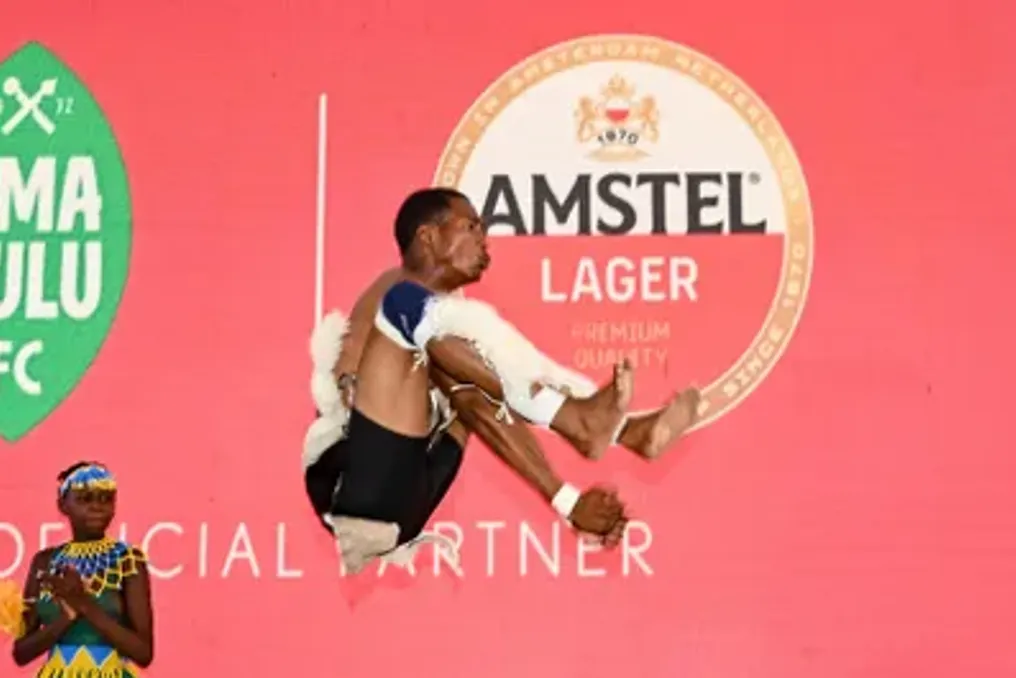
AmaZulu FC has strengthened its commercial portfolio by signing a new sponsorship agreement with the multinational brewing company Amstel. The Durban-based club confirmed that Amstel will be featured on the sleeve of the playing kit as part of this partnership, thereby adding another recognized brand to Usuthu's commercial structure.

AmaZulu President, Sandile Zungu, characterized the agreement as a significant step for the club, emphasizing that the collaboration goes beyond mere visibility on the jersey. He stated: 'Today is an important moment for the club. We welcome the new partner [Amstel], but we are also reflecting on what AmaZulu Football Club represents and where we want to go next.'

Zungu continued, noting that respect is the foundation of a long-term partnership: 'The position that Amstel and AmaZulu Football Club hold today was earned over time. Both understand that respect brings gold. This gives us a solid foundation for a partnership that can grow meaningfully, not just in visibility. It's not just about visibility. The strongest partnerships do not require either party to become someone else. They are built on values that are already recognized by both.'

This partnership opens up the opportunity to add value where it matters most—around the team, the fans, and the entire AmaZulu community. This announcement is another step in AmaZulu's efforts to expand its commercial reach and build relationships that can benefit the club beyond the football pitch.

Furthermore, this agreement follows the club's announcement in September 2026 of a strategic youth development partnership with Spanish club Levante UD, demonstrating AmaZulu's ambitions to forge connections that extend beyond football development.

AmaZulu now becomes the second Premier Soccer League club in South Africa to partner with Amstel, following Orlando Pirates, which also features the brewing brand as a commercial partner. For Usuthu, this latest deal provides another opportunity to strengthen its brand and create added value for its supporters and the wider football community.

Cognizant lowers revenue growth forecast for 2026 amid economic uncertainty
Read more
business-standard.com

Cognizant lowers revenue growth forecast for 2026 amid economic uncertainty

Cognizant has once again adjusted its revenue growth forecast for 2026, lowering the expected constant currency growth to 4–4.4 percent. This decision was made against a backdrop of weakening discretionary spending, despite third-quarter revenue increasing by 4.6 percent and net profit reaching $627 million.

During the current year, the company has lowered its annual outlook for the second time, highlighting the complex macroeconomic environment, which has become even more complicated in the last three months, slowing growth prospects for IT service providers listed on Nasdaq.

The company now expects growth in the range of 4–4.4 percent in constant currency, which is lower than the previous forecast of 4–5.5 percent announced in July. At the beginning of the year, the forecast was 4–6.5 percent.

For the third quarter, ending September 30, Cognizant's net profit jumped to $627 million from $274 million the previous year, attributed to a reduction in income tax reserves. Revenue grew by 4.6 percent to $5.7 billion, and by 4.8 percent in constant currency.

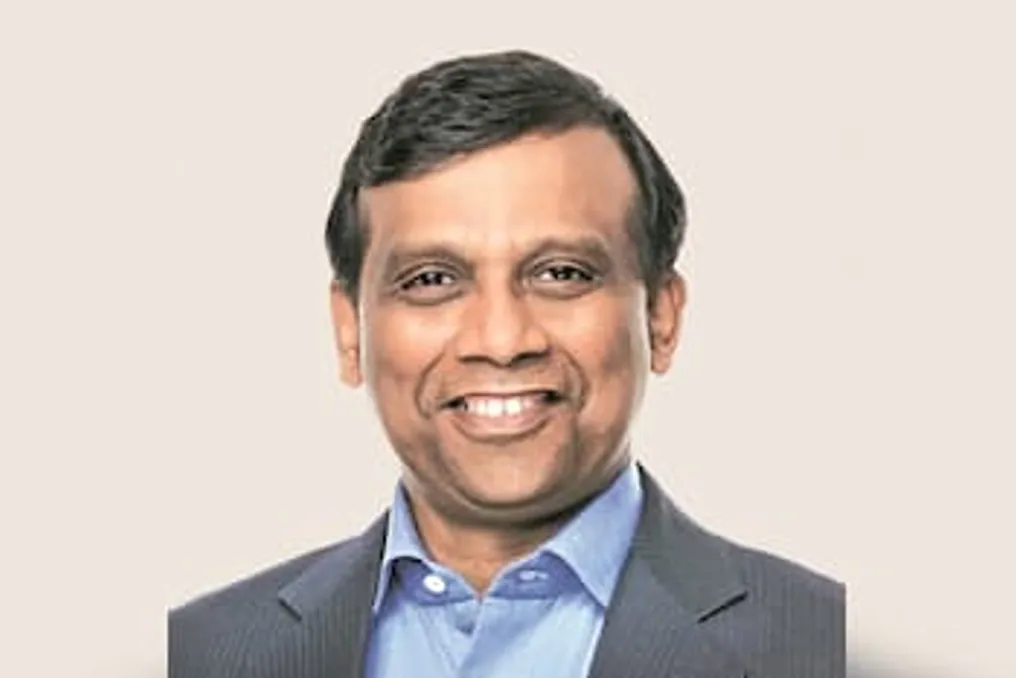
Chief Executive Officer (CEO) Ravi Kumar stated at a virtual event that 'a lot has changed in 2026, and the macroeconomic situation has not improved.' He added that while rising oil prices, inflation, and interest rates are factors, artificial intelligence is a positive factor that is gradually moving from simple productivity gains to creating new products, which should surpass the productivity benefits shared with clients. However, realizing this potential requires discretionary spending, which has not materialized adequately.

Cognizant's revenue forecast reduction followed a similar move by Infosys, which also adjusted its expectations, citing macroeconomic weakness, increased uncertainty, and lower-than-expected discretionary spending in AI.

Although Cognizant outperformed its Indian competitors in the weak quarter in both dollar and constant currency terms, it lagged behind Tech Mahindra, which showed growth of 6.8 percent and 7.2 percent, respectively, based on a smaller base.

However, a cause for concern is the weak organic growth and the decline in total contract value (TCV) deals for the second quarter in a row. Over the past 12 months, order volume increased by 4 percent year-over-year to $28.7 billion, but in the third quarter, orders fell by 7 percent compared to the previous year. The third quarter included three large deals, each with a TCV of $100 million or more.

Kumar, who had been counting on large contracts to improve the company's position, noted that over the past three years, deals have mainly consisted of large renewals as clients proactively updated agreements to take advantage of price competitiveness. This indicates that large deals in the industry have slowed down, and new orders have become smaller in size, putting pressure on revenue growth.

Third-quarter growth was driven primarily by financial services, which grew by 11.4 percent, marking the third consecutive quarter of double-digit growth. The employee turnover rate was 12.6 percent, while the company hired 3,200 people, bringing the total number of employees to 359,900. Cognizant does not expect recent US PERM rulings to affect its operations. As part of its talent localization strategy, the company has already hired 20,000 engineering graduates, 1,000 of whom are in the US.
Popular