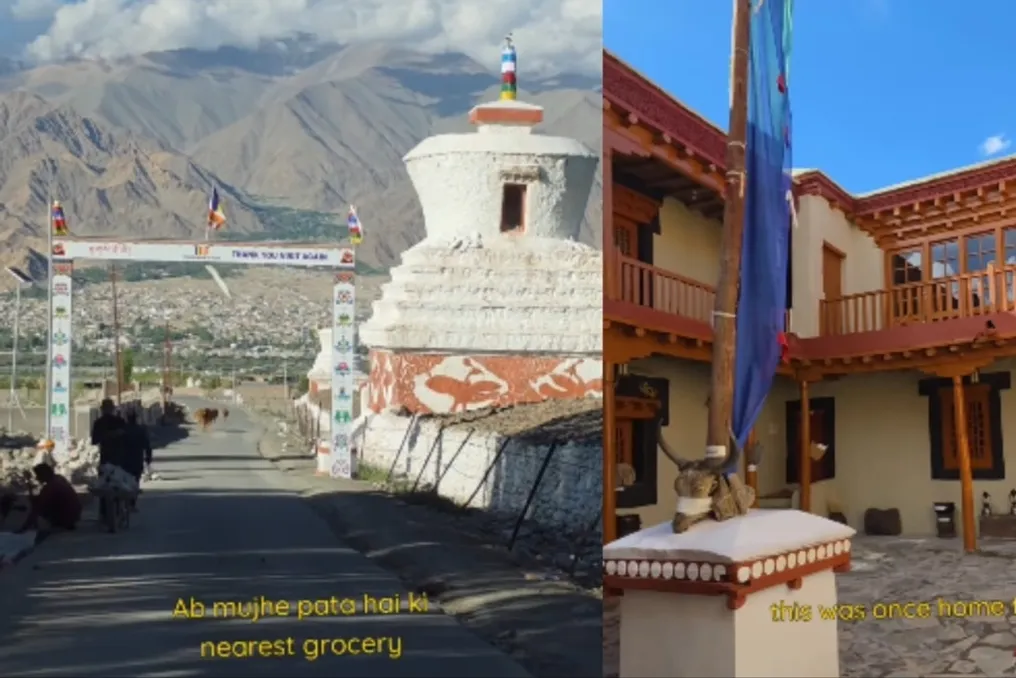
Woman spent 14 days in the hidden village of Stok in Ladakh, visiting the king's house and mountain trails
Read more
Aaj Tak
www.aajtak.in

Woman spent 14 days in the hidden village of Stok in Ladakh, visiting the king's house and mountain trails

When people plan a trip to Ladakh, the question often arises as to how much time is needed to see all the sights. While some believe 5-10 days is enough, one traveler feels that simply visiting a place and 'living' it are completely different things. This question was answered by Pirna Dalal, who left her corporate job to become a digital content creator. She arrived in a small village near Leh but quickly decided to stay there for 14 days.

Thanks to this stay, she saw Ladakh from a perspective usually missed by tourists. The author advises those planning a trip to include this village on their bucket list, as the true beauty of Ladakh lies not in popular spots, but in these untouched mountain settlements rarely trodden by human feet.

Pirna shared her experience of a 14-day journey in a video posted on Instagram, which drew attention to this hidden village, and her video went viral. The details of her experience are revealed below.

14 Days in a Special Ladakhi Village

Pirna Dalal, who was 35 at the time of the trip, left her corporate position and started working as a digital content maker. She spent 14 days in the village of Stok in Ladakh. She shared this unique experience, clarifying that she has been in Ladakh for two months, of which 14 days were spent specifically in this village.

Where is the village of Stok located?

The village of Stok is located among the Kangri mountains, about 15 kilometers from Leh. In addition to its beauty, it offers an opportunity to closely experience the local culture and way of life. According to Pirna, she initially came here to sightsee the surroundings and understand village life, but gradually this place became special to her.

This is where the King's House of Ladakh is located

In her video, Pirna mentioned that before coming to Stok, she did not know that the last king of Ladakh's house was located there. Having spent so much time there, she now knows everything—from the local grocery store to the most suitable routes in the vicinity. The video also showed an old bridge, mountains, cows, and a small shop.

Learned to cook Ladakhi momos

Pirna didn't just visit tourist attractions in Ladakh; during these days, she also learned to cook Ladakhi-style momos. During her stay at the guesthouse, conversations with the hosts over tea and getting to know the locals became an important part of her journey.

Prefers slow travel

Pirna believes that if she had returned after only seeing a few famous places, she would not have gained such a wonderful experience. In the caption of the video, she wrote: 'The more I travel this way, the clearer I realize that the best thing is slow travel. You can get to know the locals, feel the tranquility of daily life, and when you return, a small part of this place stays with you forever. It is a journey I will always choose.'

What is slow travel that is gaining popularity?

Nowadays, many people plan trips to see as many places as possible in a short time. It has become common to visit many tourist sites in one day, take photos, and move on. However, slow travel differs from this approach. Instead of rushing through a place, one spends some time there. Part of this experience is interacting with locals, understanding their cuisine, walking through village streets, and observing daily life up close.
Similar stories

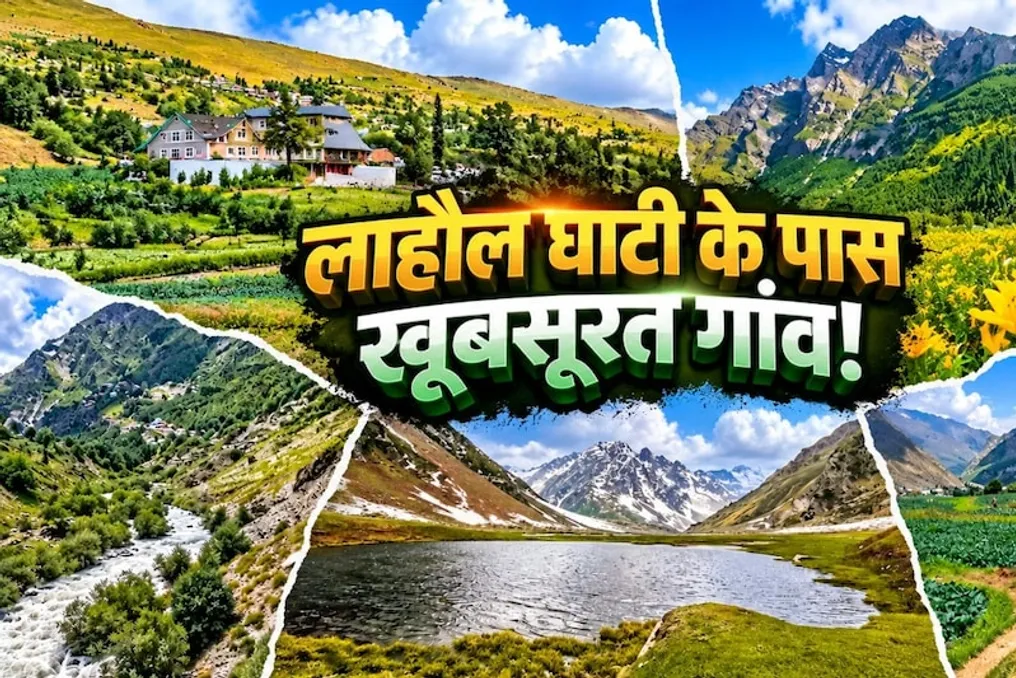
Muling in Himachal Pradesh: A picturesque remote village in the Lahaul Valley offering solitude
Read more
www.aajtak.in

Muling in Himachal Pradesh: A picturesque remote village in the Lahaul Valley offering solitude

If you wish to spend time in the quiet amidst the beautiful landscapes of Himachal Pradesh but want to avoid the hustle and bustle of Manali, you can visit this remote village in the Lahaul Valley. This village, situated among the mountains, is known for its tranquil atmosphere, traditional dwellings, and natural beauty. Here, you can enjoy time away from the city rush and also have the opportunity to get acquainted with the local culture.

Muling might appeal to travelers who value not only visiting famous photo spots but also deep immersion in the local culture. In the village, you can walk through the streets, admire the surrounding natural scenery, and spend time outdoors. It is an ideal place to relax from office routine and create unforgettable memories.

Muling is a small village located in the Lahaul Valley, Himachal Pradesh. To reach it, you need to drive through the Atal Tunnel from Manali towards Sissu. The road passes through high mountains, picturesque valleys, and changing nature, making the journey itself special. If you are planning a trip to a quiet place in Himachal, it is worth including Muling in your list of places to visit.

Muling can be reached via the road from Manali. The route includes passing through the Atal Tunnel to Sissu. According to available information, the distance from Manali to Muling is about 45 kilometers, and the journey takes approximately one and a half hours. Sissu is near Muling, and from there, you can take a local taxi to the village. However, it should be noted that the actual distance and travel time depend on your starting point, road conditions, and weather conditions. Therefore, before traveling, be sure to check information about local road conditions, weather, and available means of transport.

Firstly, you can enjoy walks through the village streets. The best way to explore Muling is by walking through its streets. Here, you can see traditional Himachali houses built from clay and wood. The architecture of these houses and the surrounding nature allow one to understand the local lifestyle of Lahaul. However, permission must be obtained before photographing anyone's house or private property.

Secondly, you should visit the apple and apricot orchards, which can be seen in the Lahaul Valley depending on the season. The view around these orchards will be especially picturesque in spring and summer. It is also a great place for photography enthusiasts.

Thirdly, you can get to know the culture of Lahaul by visiting local monasteries. The culture of the Lahaul Valley is heavily influenced by Buddhist traditions. Visiting small monasteries allows one to experience local religious customs and the peaceful atmosphere. When entering a monastery, established rules must be observed, and silence should be maintained during prayers or religious events.

Fourthly, you can go for a nature walk. If you enjoy trekking and mountain hiking, you can explore the trails and views around Muling. To enjoy the natural beauty, long hikes are not necessary; even short walks can make your trip memorable. It is important to avoid solitary walks on unfamiliar routes and always check the weather forecast.

Fifthly, you can observe the starry sky at night. Since the village is far from city lights, stars can be seen in some areas of the Lahaul Valley if the sky is clear. Under favorable weather conditions, you can also spend time outdoors in Muling. For this, choose a safe spot away from light sources and try not to stray too far from the village at night.

Sixthly, be sure to try the local cuisine of Himachal. Any trip seems incomplete without getting to know the local food. In Muling or nearby local guesthouses, you can try dishes such as thukpa, momos, and siddu, depending on availability. If you have the chance to stay with locals, you can learn more about traditional diet and lifestyle.

Before traveling to a small mountain village like Muling, it is necessary to book accommodation and transportation in advance. One cannot assume that public transport or grocery stores will be constantly available. It is also recommended to bring warm clothing to protect against the cold and plan the trip taking into account the characteristics of the mountain climate.

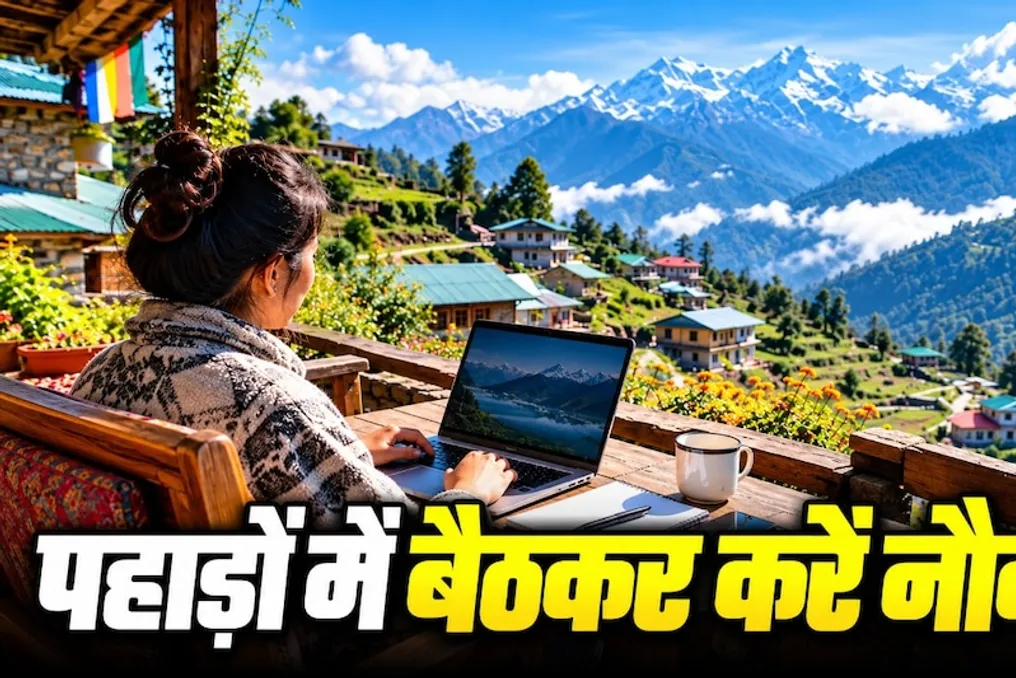
Yakten Village in Sikkim Becomes New Hub for Remote Work Thanks to Development of Digital Nomad Settlement
Read more
www.aajtak.in

Yakten Village in Sikkim Becomes New Hub for Remote Work Thanks to Development of Digital Nomad Settlement

If you are tired of daily office routine, traffic jams, and the confined space of home, consider the possibility of working on a laptop amidst the mountains. Imagine waking up every morning to picturesque mountain landscapes and enjoying the quiet life of a village after finishing work. This is the kind of lifestyle offered by Yakten village in Sikkim.

In this village, located in the Pakyong district of Sikkim, India's first specialized settlement for digital nomads (Digital Nomad Village) has been created. The beautiful Limbu community of Yakten resides here.

People working for companies located far away can stay here for several weeks. They conduct their work meetings and other tasks while living in local homestays. Furthermore, they get the chance to spend time among the mountains and experience the local culture from the inside.

Opportunities for Working Among the Mountains

Digital nomads are specialists who can perform their work from anywhere in the world using the internet. This includes freelancers, copywriters, and other professionals who work remotely. Yakten has prepared homestays with good internet connection and necessary amenities for such people so that they can work comfortably for extended periods.

Here, people conduct work calls while sitting in mountain homestays and work on laptops. After work, they can walk around the village, interact with local residents, and enjoy the surrounding natural scenery. Thus, they gain experience living in a new place alongside working.

Not Just Tourism, But Connection with Villagers

The specialty of Yakten is that visitors here do not remain mere tourists. They participate in local festivals, weddings, and daily events together with the villagers. Visiting specialists share their work experience with local youth and entrepreneurs, and also offer business advice.

This initiative helps strengthen the bond between villagers and visitors. Local families managing homestays also earn income from tourism. The goal is not to turn the village into a large hotel or an overcrowded tourist center, but to preserve its local identity and bring people closer.

A New Approach to Combining Work and Travel

Digital nomad villages like Yakten can be an ideal option for those who want to live in new places without giving up their jobs. Here, one can continue to work using the internet while simultaneously exploring the mountains, local culture, and village life. Moreover, such projects can help create new opportunities for tourism in small villages and increase the income of the local population.

To reach Yakten village in Sikkim, you can travel by plane, train, or road. One of the most convenient ways is to arrive at Bagdogra Airport in West Bengal or at New Jalpaiguri railway station. From there, you can take a taxi to Gantok, and then via Pakyong reach Yakten village. The journey from Gantok to Pakyong takes about an hour and a half, and from Pakyong to the village, a taxi can be found.

If you are traveling by train, it is best to stay at New Jalpaiguri (NJP) station. From there, you can reach the village by taxi or other ground transport. It is recommended to book a taxi and homestay before starting the trip.

The best time to visit Yakten is from March to May and from October to December. From March to May, the weather is pleasant, and you can see the beauty of flowers against the green backdrop. At the same time, from October to December, the probability of clear skies and beautiful mountain views is higher.

From June to September, it is the monsoon season here. Although the village looks very green during this time, rain can cause problems with road travel. If you plan long-term work with a laptop, clarify information about the weather, internet availability, homestay amenities, and transportation options in advance.

Popular