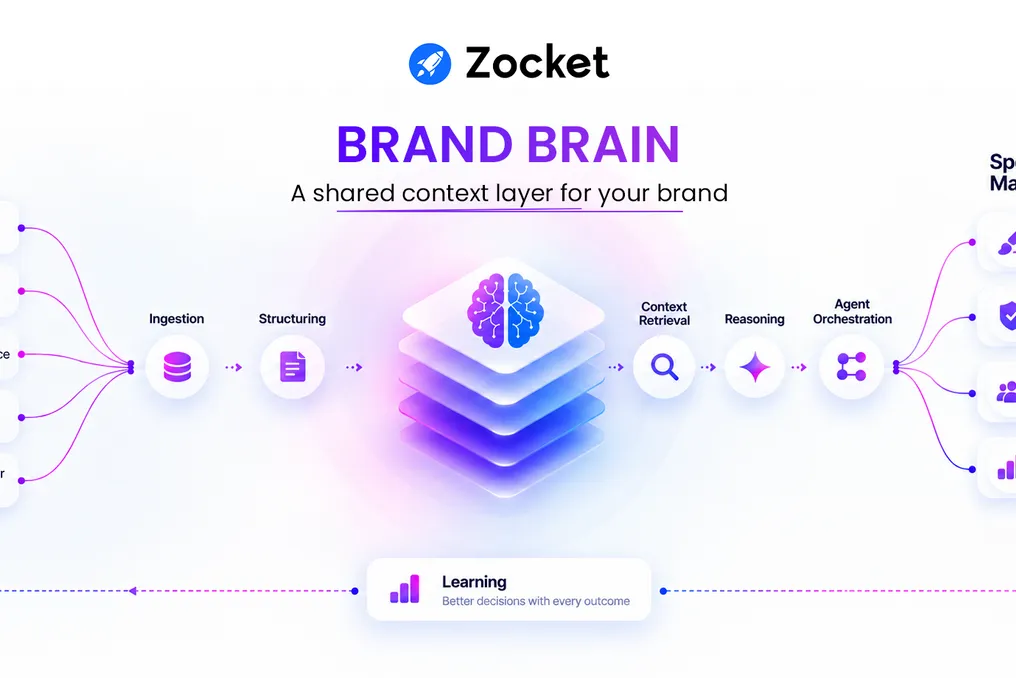
For the past three years, one idea has dominated the field of corporate artificial intelligence: the winner is the one who chooses the most powerful model. Every new release set a new benchmark, increased the context window, and improved reasoning accuracy. Board members discussed which model to bet on, as if making a decision about infrastructure for the next decade.
However, this paradigm is coming to an end. The gap between leading models is shrinking quarterly, and most enterprises can now access nearly cutting-edge intelligence with just one API call. When everyone has access to the same 'brain,' that 'brain' ceases to be a competitive advantage.
The next battle in enterprise AI will be won through context: proprietary knowledge, history, signals, and judgments that explain to the models exactly what the business needs. Models become the engine, and context becomes the fuel, map, and ultimate goal.
The landscape has fundamentally changed. A capability that seemed like magic just eighteen months ago, such as summarizing a 100-page contract or writing production-ready code, is now a standard requirement for many vendors. Open-weight models have significantly narrowed the gap with proprietary counterparts, and inference costs continue to fall. Switching from one model to another, which used to be a painful migration, is becoming an increasingly simple configuration change.
This is the classic trajectory of any fundamental technology, similar to electricity, cloud computing, and bandwidth. First comes a period of scarcity and differentiation, followed by abundance and standardization. Today, no one wins by having the best power source; those who build upon it win.
For business leaders, this brings discomfort, but also liberation. If your AI strategy is based predominantly on choosing a model, your competitors can copy it over the weekend. Long-term advantage must come from somewhere else.
Although AI models possess immense power, intelligence alone is not enough to understand how a business operates. The true utility of AI comes from the context surrounding every decision: the brand, its customers, business priorities, and governing processes.
For corporate marketing, context goes beyond simply inputting information into a model. It implies connecting four critical levels of intelligence: