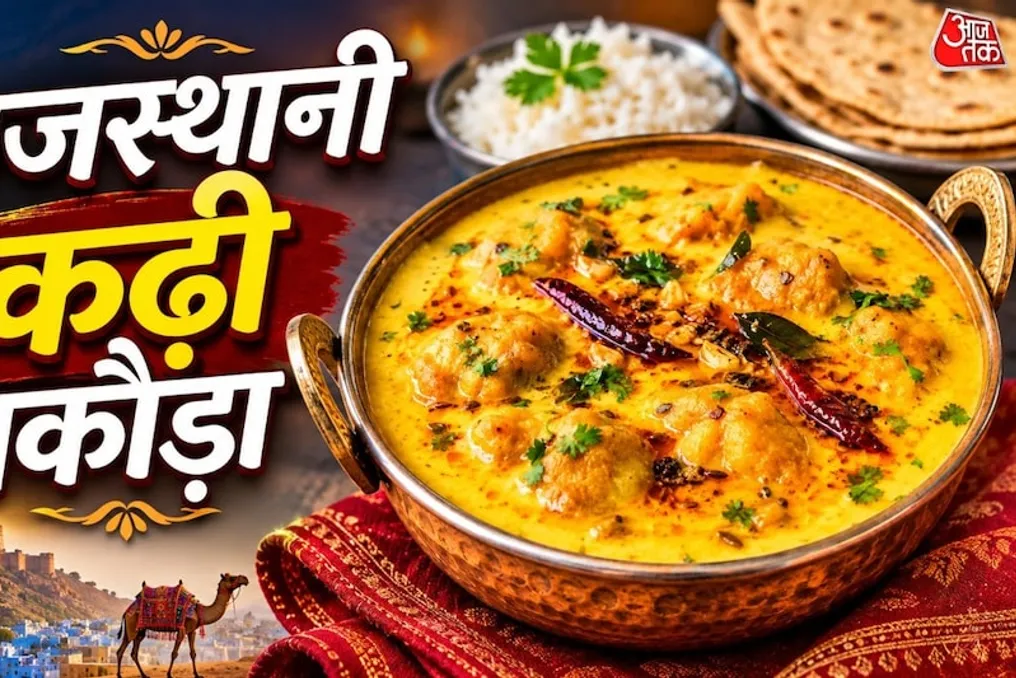
Rajasthani Kadhi Pakora Recipe: A Dish That Pairs Perfectly With Rice or Flatbreads
Read more
Aaj Tak
www.aajtak.in

Rajasthani Kadhi Pakora Recipe: A Dish That Pairs Perfectly With Rice or Flatbreads

Kadhi is one of the favorite dishes in Indian homes, traditionally served either with rice or hot flatbread. Although each region has its own method of preparing kadhi and its own flavor characteristics, Rajasthani Kadhi Pakoda is distinguished by its unique taste and aroma of spices.

In this recipe, the kadhi is made from sour yogurt and chickpea flour (besan) and is cooked with spices. Then, small besan pakoras are added to it. The final touch is provided by garlic, dried red chili, and ghee.

If you want to diversify your menu by moving away from ordinary vegetable dishes and dal, you can prepare Rajasthani Kadhi Pakoda at home.

Rajasthani Kadhi Pakoda Recipe

To begin, sift a large amount of chickpea flour (besan) into a large bowl. Add the sour yogurt to this flour and whisk thoroughly, ensuring that no lumps remain in the mixture. Then, add two cups of water and stir again. After that, incorporate turmeric, red pepper powder, coriander powder, asafoetida (hing), and salt, mixing all ingredients well. The consistency of the mixture should be neither too thick nor too thin.

Heat a deep pot on the stove and pour in the ghee. When the oil heats up, add cumin seeds (rai) and cumin (jeera). As soon as they start sizzling, add bay leaves, cloves, cardamom, cinnamon, and whole black peppercorns. After a few seconds, sauté the ginger and green chili. If curry leaves are used, add them at this time as well. All these components are fried for about a minute.

Then, gradually pour the prepared chickpea flour and yogurt mixture into the pot, stirring constantly to prevent lumps from forming. Add a little water as needed and cook over medium heat. When the kadhi boils, reduce the heat. Cook it for about 5-10 minutes, stirring occasionally so that the besan does not stick to the bottom. It must be cooked until the raw taste of the besan completely disappears.

Preparing the Pakoras

While the kadhi is cooking, prepare the pakoras. For this, put chickpea flour, red pepper powder, turmeric, ajwain (fennel), cumin, and salt into a bowl, mixing them. Then, add ghee and gradually pour in water to obtain a thick batter. It is important that this batter is not too runny.

In another pot, heat oil. When the oil reaches medium temperature, add the chickpea batter in small portions. Fry the pakoras until golden and crispy, then remove them and place them on a plate.

When the kadhi is completely ready, add the prepared pakoras to it. Gently stir with a spoon so that the pakoras do not fall apart. Then, leave it on low heat for a few more minutes. This will allow the pakoras to absorb the flavor of the kadhi and become soft inside. If the kadhi becomes too thick, a little hot water can be added.

Adding Garlic Flavor

To enhance the taste of Rajasthani Kadhi Pakoda, a garlic sauce is prepared at the end. For this, heat ghee in a small pot. Add slightly crushed garlic to it and fry until golden brown. Then, add whole dried red chilies and cook for a few seconds. Reduce the heat and immediately mix in the red pepper powder, ensuring that the chili does not burn. The finished sauce is immediately poured over the kadhi.

Rajasthani Kadhi Pakoda is ready. Garnish with finely chopped fresh cilantro. It is served hot with plain rice or cumin rice; it can also be enjoyed with flatbreads.
Similar stories

Rajasthani Corn Flour Rab Recipe: A Traditional Dish for Winter Breakfast
Read more
www.aajtak.in

Rajasthani Corn Flour Rab Recipe: A Traditional Dish for Winter Breakfast

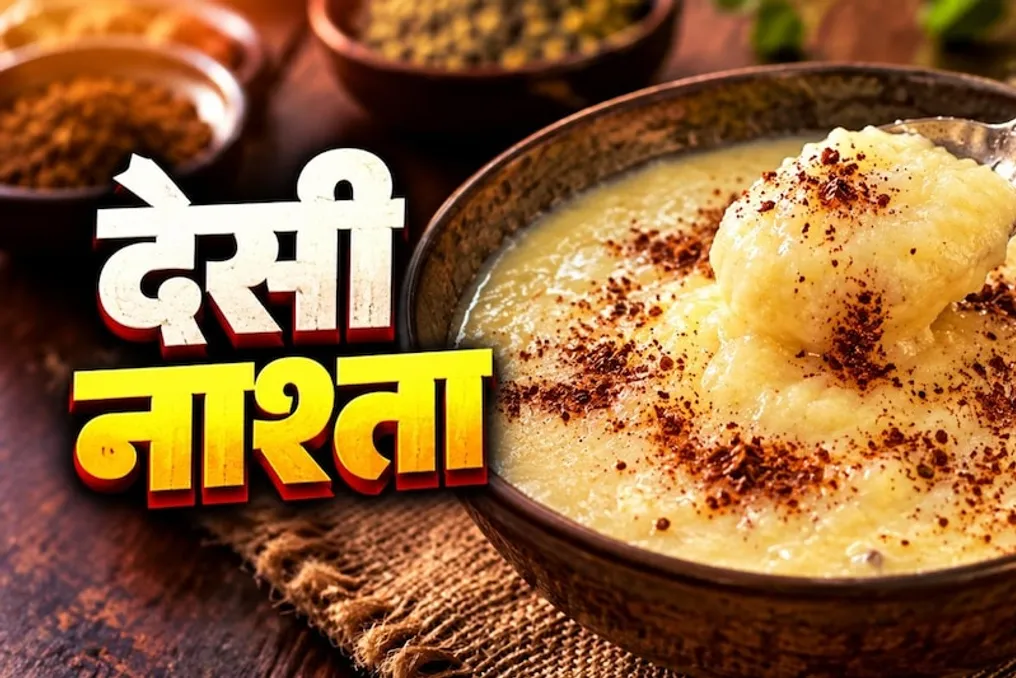
The traditional Rajasthani dish, corn flour rab, is very popular as a winter breakfast. This local snack is made from corn flour and yogurt (chaach), and the addition of ghee and spices significantly enhances its flavor. Preparing this dish at home does not require much effort, and it can be served hot.

If you want to eat something tasty but easy on the stomach in the morning, you can try the traditional Rajasthani dish—corn flour rab. In some regions of North India, it is also known as maize mahari. It is made from corn flour and chaach. In the rural areas of Rajasthan, it is especially enjoyed during winter. It is quite simple to prepare, and all the necessary ingredients are easy to find at home.

To prepare rab, take corn flour into a pot and gradually mix in a little chaach, stirring thoroughly so that no lumps form in the mixture. Then, add the remaining chaach and one or two bowls of water, mixing the mixture well.

After this, place the pot on medium heat and stir constantly so that the mixture does not burn to the bottom and lumps do not form. When the mixture starts to boil, reduce the heat. Then, cook the dish for about 15–20 minutes, stirring occasionally. When the solution is completely cooked and has become slightly thicker, add salt to taste and roasted cumin powder.

To give rab an aroma, heat ghee in a small pan. Add whole cumin, asafoetida, and the chosen red or green chili. As soon as the cumin starts sizzling, pour this flavored fat into the rab and mix thoroughly. Finally, sprinkle with finely chopped fresh coriander on top. The ready traditional Rajasthani rab is ready to be served hot for breakfast.

Black Gram Ghugni Recipe in Bihari Style
Read more
www.aajtak.in

Black Gram Ghugni Recipe in Bihari Style

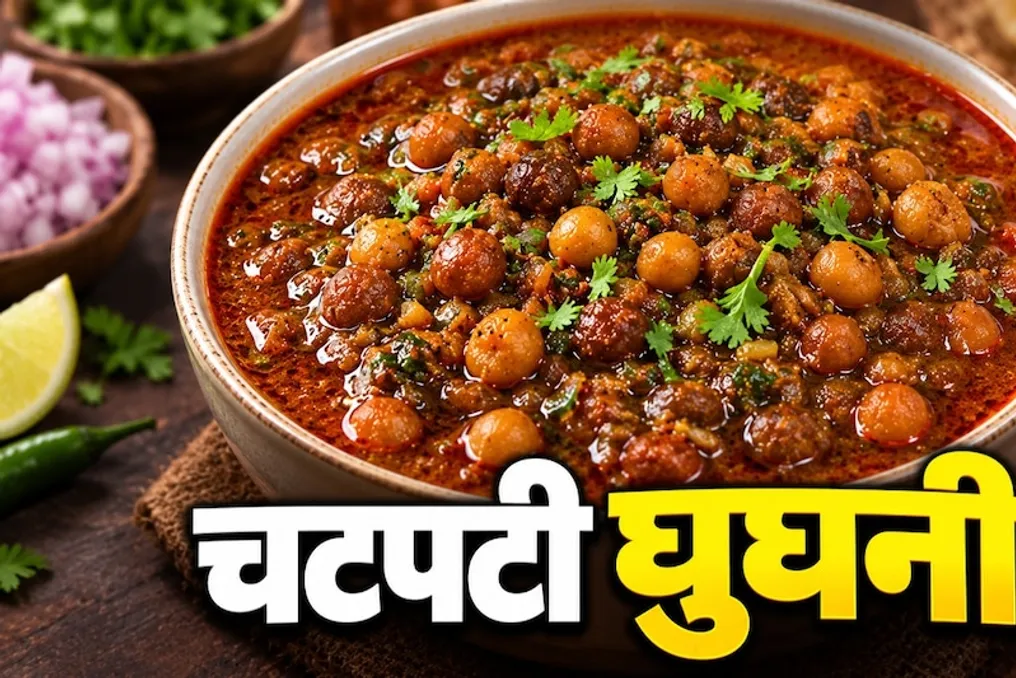
Ghugni, made from black gram, is very popular in Bihar. Its spicy taste significantly enhances the dining experience, and it can be eaten at any time—from breakfast to satisfying evening hunger. This article provides a simple guide on how to prepare this dish at home.

Bihari cuisine is known for its authentic flavors and traditional dishes that residents enjoy throughout the day. One such dish is black gram ghugni. This dish, prepared using spices and mustard oil, is characterized by a bright, spicy flavor while remaining quite easy to make. If you want to diversify your diet, try making black gram ghugni in the Bihari style.

To prepare this dish, you will need black gram, onion, tomatoes, ginger, garlic, and a set of various spices. The flavor of this ghugni is especially enhanced when served with hot puri, paratha, roti, chuda (poha), or muri (murmura). Next is a detailed description of the cooking process.

First, soak the black gram in water overnight. In the morning, drain the water and place the gram in a pressure cooker along with water and a small amount of salt. Cook until it reaches 4–5 whistles, until the gram is completely soft.

After that, heat mustard oil in a pot. Add cumin seeds and let them sizzle. Then fry the ginger, garlic, and green chili for a few seconds. After this, add the finely chopped onion and fry until golden brown.

When the onion is browned, add the tomatoes, turmeric, red chili, coriander powder, and salt to taste. Simmer the mixture until the tomatoes become soft and the entire mixture is well cooked.

Then, add the boiled black gram to the pot and mix with the spices for two to three minutes. After this, add the required amount of water and let the dish simmer for some time so that the gram fully absorbs the spice aromas. If you want a thicker consistency, you should reduce the amount of added water.

Turn off the heat and sprinkle the dish with finely chopped fresh coriander. To enhance the flavor, you can add a little lemon juice. Your Bihari-style ghugni is ready. It can be served hot with puri, paratha, roti, chuda (poha), or muri (murmura). To further improve the taste, you can sprinkle finely chopped onion and chaat masala on top. In winter, a light hint of ginger can also make the dish more piquant.

Popular