CTI public organization reports Rs 11 billion in losses for Moscow businesses due to INDIA bloc rally
Read more
Aaj Tak
www.aajtak.in

CTI public organization reports Rs 11 billion in losses for Moscow businesses due to INDIA bloc rally

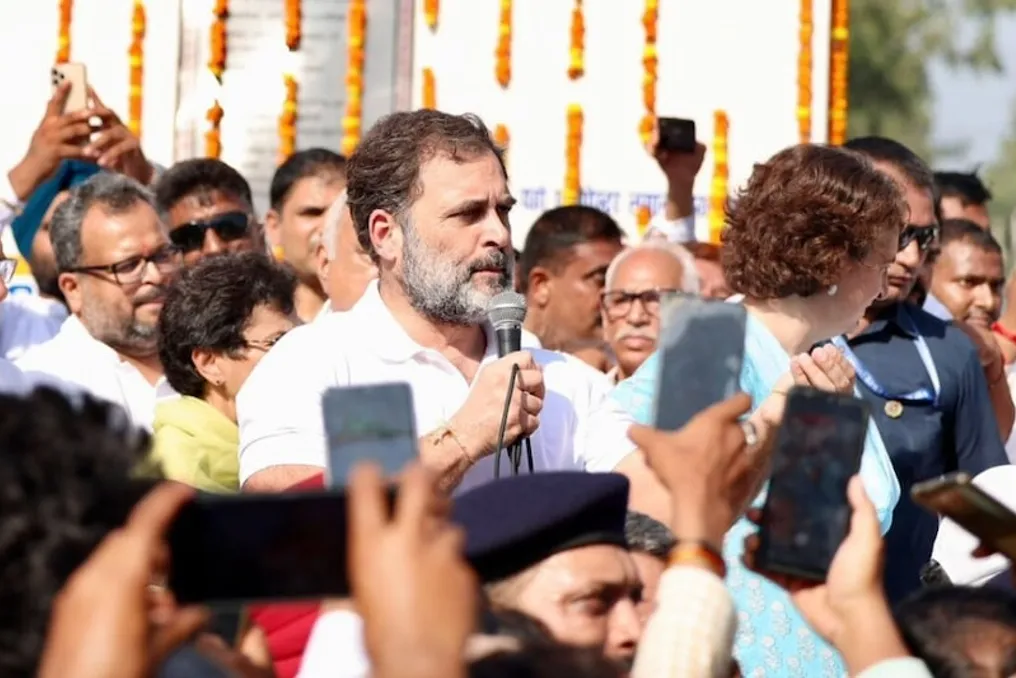
Trade associations expressed dissatisfaction and concern regarding the mass rally of the INDIA bloc, which took place on November 1st at Ramlila Maidan in Delhi. The Confederation of Trade and Industry (CTI) claimed that as a result of this event, Delhi's trade suffered losses of approximately Rs 11 billion in a single day.

The Chairman of CTI, Brijnesh Goel, questioned who would compensate the damage caused to traders, factory owners, and sellers due to the rally. According to the organization, about 250,000 shops remained closed, negatively affecting not only wholesale and retail trade but also the transport, hospitality, restaurant, and tourism sectors.

The Delhi Trade Federation noted that political parties have the right to express their views democratically, but when holding such events, the interests of ordinary citizens and traders must be taken into account. The federation emphasized that Delhi's wholesale markets are not just centers of local trade but a vital foundation for the livelihoods of millions of small traders, sellers, and buyers from across the country.

In the federation's view, when large political events disrupt traffic and overall market activity, traders can incur significant economic losses. It was also noted that small businesses coming from other states may feel the impact on trade and business meeting plans. The daily income of sellers, workers, laborers, transporters, and their families can also suffer under such conditions.

Nevertheless, the federation stated its respect for democratic rights and peaceful protests. While recognizing the right of every political party to express an opinion, it also insisted on the need for accountability towards business, employment, and citizen convenience. The federation proposed that when determining the date and location of major political events in the future, priority should be given to Delhi's commercial centers, wholesale markets, transport system, and public convenience.

According to CTI Chairman Brijnesh Goel, according to the organization's survey, the November 1st rally led to direct losses for Delhi's trade amounting to approximately Rs 11 billion. It was stated that the largest loss—Rs 8.8 billion—was incurred by retail and wholesale trade.

CTI specified that major trade hubs such as Sadar Bazar, Chandni Chowk, Chawri Bazar, Hari Bhawli, Nai Bazar, Ajmeri Gate, Daryaganj, Paharganj, Jama Masjid, Cantonment Place, and Karol Bagh are located within a five-kilometer radius of Ramlila Maidan. The organization claims that out of approximately three hundred thousand shops in these areas, 250,000 remained closed, and about 80 percent of trade was affected.

According to CTI, the transport and logistics sector suffered losses of about Rs 1.5 billion due to the rally. The organization stated that the movement of goods, loading, and unloading within ten kilometers of Ramlila Maidan were disrupted. Furthermore, a loss of Rs 500 million was reported in the hotel, restaurant, and tourism sector. According to CTI, bookings in numerous hotels and guesthouses in central Delhi were canceled, and tourist flow also decreased.

Additionally, the organization reported losses of about Rs 200 million among the informal sector and wage laborers. This affected drivers, rickshaw pullers, auto and electric rickshaws, street vendors, porters, and other people receiving daily wages.

CTI Chairman Brijnesh Goel refuted accusations against trade associations that they are agents of the BJP, emphasizing that their activities are unrelated to politics. He recalled that the top one hundred associations of Delhi markets had appealed to the Congress to postpone the rally. Goel stated that these organizations represent traders, not any political party, and reiterated the issue of compensation for the damage inflicted on traders, factory owners, and sellers due to the rally.

Similar stories

Tracker Company Celebrates 30th Anniversary, Transforming from Stolen Vehicle Search Service to Technology Partner
Read more
techcentral.co.za

Tracker Company Celebrates 30th Anniversary, Transforming from Stolen Vehicle Search Service to Technology Partner

Tracker, which began its operations in 1996 as a stolen vehicle search enterprise, has evolved into a leading South African technology and service company. It provides comprehensive solutions that help organizations reduce risks, optimize costs, increase efficiency, and make more informed daily decisions.

Over the past three decades, the business environment in South Africa has undergone significant changes. Businesses constantly face pressure to achieve more with fewer resources while managing increasing complexity, rising costs, and rapidly changing customer expectations.

Tracker has adapted to these changing needs. Today, the company combines connected technologies, data analytics, and human expertise to help businesses gain broader visibility into their operations. From fleet management and video telematics to asset tracking, supply chain visibility, and business intelligence—Tracker offers integrated solutions that transform data into meaningful and actionable information.

Built for Business Outcomes

Although technology is at the core of Tracker's operations, the focus has never been on technology for technology's sake. The primary starting point is understanding what matters most to each client. For some organizations, this means enhancing driver safety and fulfilling duty of care obligations; for others, it means reducing fuel costs, improving fleet utilization, strengthening regulatory compliance, increasing supply chain transparency, or gaining greater operational control.

Instead of offering a one-size-fits-all solution, Tracker collaborates with enterprises to understand their needs and develop solutions tailored to desired outcomes. This client-centric approach has allowed Tracker to serve organizations across various industries and with different fleet sizes, helping them solve real problems using connected technology and practical analytics.

From Search to Prevention

Tracker's reputation was built on vehicle search services, and this remains an important part of the business today. However, the focus has expanded beyond simple searching to include prevention. Modern telematics, AI-powered cameras, real-time monitoring, and advanced analytics allow companies to identify risks before incidents occur. Fleet managers can receive alerts about unsafe driving, monitor critical events in real time, and receive information that helps improve safety performance.

Video telematics solutions provide organizations with better visibility of road activity, promoting driver training, reducing risk exposure, and strengthening accountability. The result is a proactive approach to safety that helps companies protect not only their vehicles and assets but also the people who use them daily, as caring for the person is a primary concern, not just the asset.

Turning Data into Decisions

Businesses generate huge volumes of data daily. The problem is not collecting this information, but transforming it into something useful. Tracker's approach goes beyond mere data collection. By combining advanced analytics, AI capabilities, and industry expertise, the company helps businesses transform complex information into practical insights that support better decision-making.

Whether it involves identifying opportunities to reduce fuel consumption, optimizing routes, improving fleet utilization, monitoring assets, enhancing supply chain efficiency, or ensuring faster response in operations, Tracker helps organizations unlock the value hidden in their data. The goal is simple: to provide information in a format that companies can understand, trust, and use to achieve measurable results.

A Look at Our Work

The benefits of intelligent fleet management through connected systems are not just offered to clients. Tracker uses its own fleet management technology in its operations, giving the company direct experience with the challenges and opportunities faced by fleet operators. This has led to improved safety metrics, reduced accidents, lower maintenance costs, decreased fuel loss, and less misuse of vehicles. This is a clear example of Tracker's belief that technology must deliver measurable business value, not just provide more information.

Partnership for the Future

Thirty years is a significant milestone, but Tracker continues to focus on helping businesses solve modern challenges and prepare for future opportunities. As enterprises continue to navigate an increasingly interconnected and data-driven world, the need for reliable partners has never been greater. Tracker's role is not limited to assisting in the search for stolen vehicles. Today, it is about supporting businesses to operate smarter, safer, and more efficiently through an integrated ecosystem of technology, services, and analytical data.

For 30 years, Tracker has cared for people and their property. Today, this commitment extends to the entire scope of business operations, helping organizations gain the necessary visibility, intelligence, and support to move forward confidently. One integrated ecosystem. Multiple business advantages. Let's build a more efficient operation together.

Plans to expand the BRT bus lane network on four new streets in Tashkent
Read more
podrobno.uz

Plans to expand the BRT bus lane network on four new streets in Tashkent

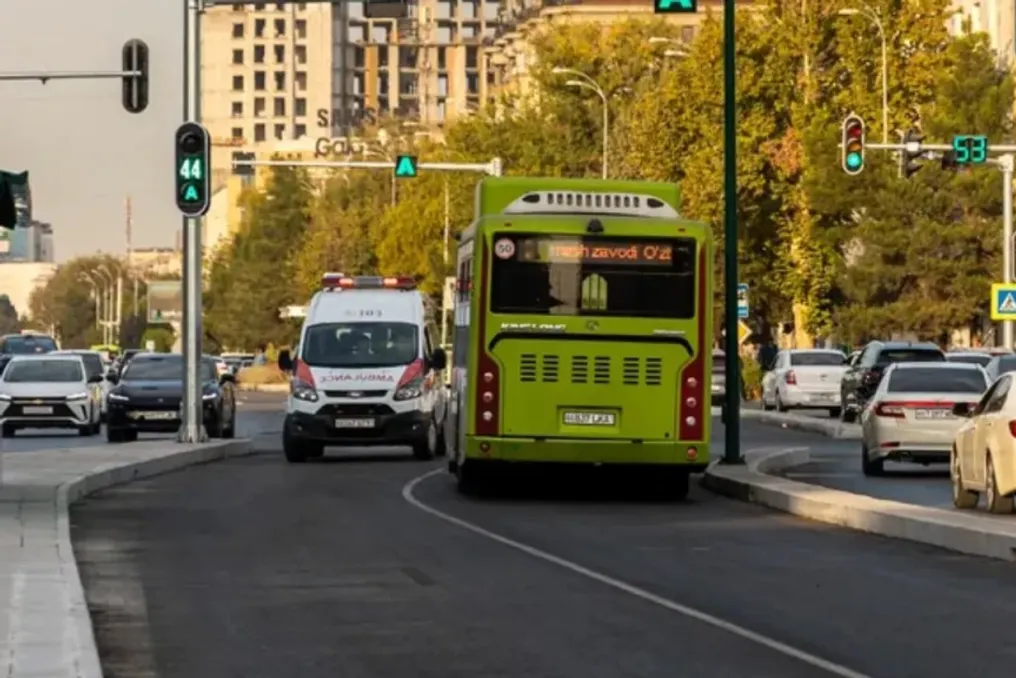
The city of Tashkent plans to create additional sections of dedicated lanes for public transport buses (BRT) on four streets. These works will cover Mukimi Street, Karatash – Kukcha-Darvoza, Parkent, and Mirzo Ulugbek Avenue. The total length of the new BRT lines will be approximately 18 kilometers.

The decision to establish these routes was made by the capital's hokim, Shavkat Umurzakov, on October 29, 2026. The longest section, measuring 6.3 kilometers, will be implemented on Mirzo Ulugbek Avenue in the relevant district.

On Mukimi Street, which runs through the Yakkasaray and Chilanzar districts, the dedicated lane will stretch for 4.6 kilometers. Additionally, another 4.2 kilometers of BRT will appear on Karatash and Kukcha-Darvoza Streets in the Shayxantahur district. A separate section of 2.8 kilometers will be allocated on Parkent Street in the Mirzo-Ulugbek district.

The project's client is Toshkent Invest, which is responsible for developing projects and selecting contractors. Initially, 6.5 billion soums have been allocated from the Tashkent Development Fund to prepare project documentation and cover related expenses. Additional project funding will come from commercial bank loans and funds from urban road and transport infrastructure development funds.

Before road surface repairs begin, utility services are required to bring engineering networks into compliance and relocate them if necessary. Authorities have also instructed that the process be organized to avoid traffic collapse and ensure safety, including limiting vehicular traffic on certain sections.

It should be noted that it was previously planned to create dedicated BRT lanes for public transport on Shahrisabz, Amir Temur, and Yangi Sergeli Streets, which is scheduled for late November and early December 2026.

Popular