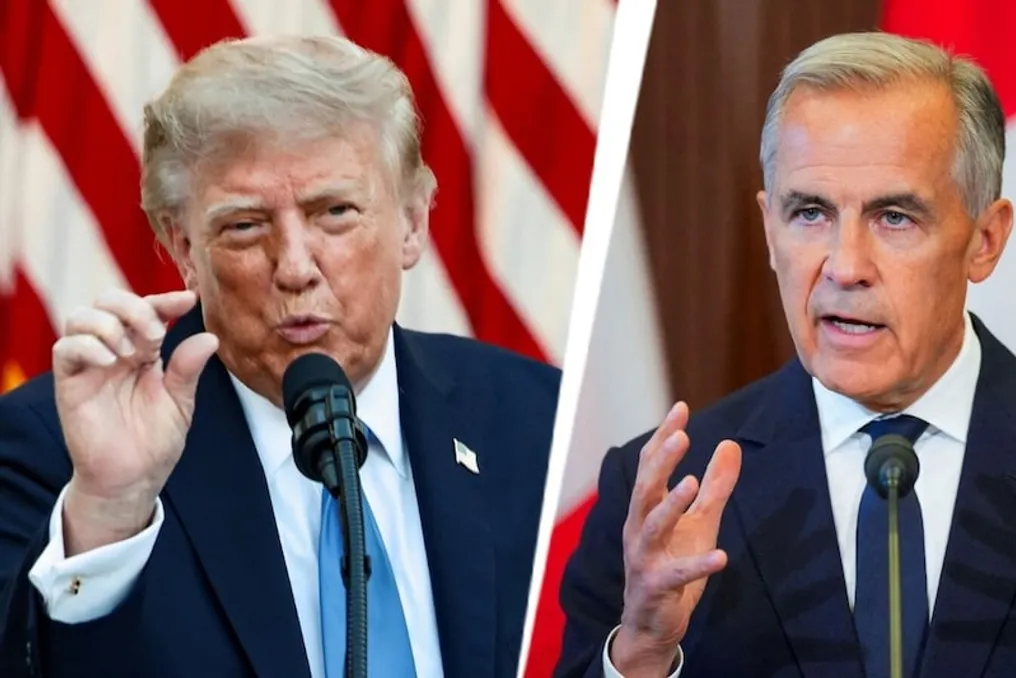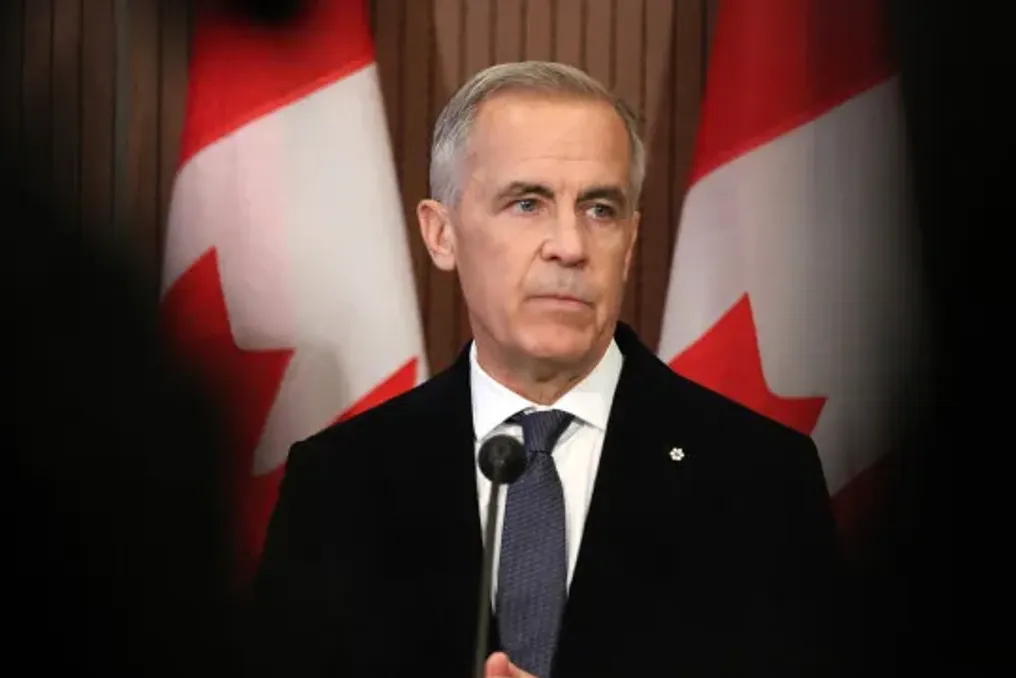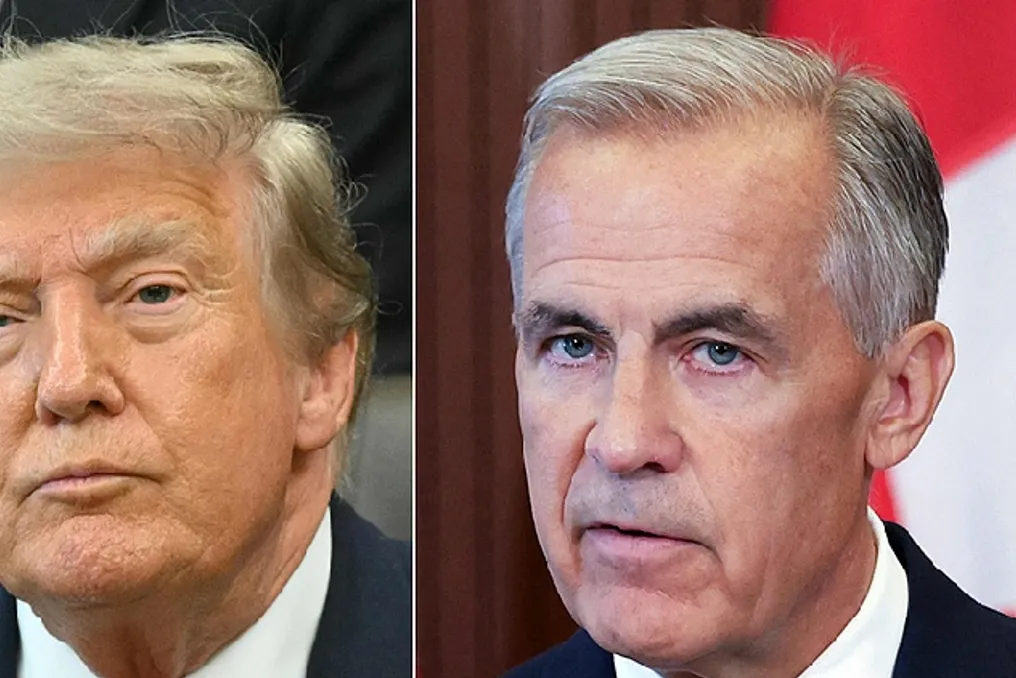
Canadian Prime Minister Mark Carney announced on Sunday that he had a 'good conversation' with US President Donald Trump regarding the future of trade between Canada and the US.
Carney stated on social media that the discussion was based on 'recent constructive conversations about the outlines of a mutually beneficial trade agreement,' which would help create jobs, improve product availability, and fully respect Canadian languages, culture, and sovereignty. He added that their teams would begin work in the coming weeks to achieve this outcome.
US President Donald Trump also stated on Sunday that his administration has a 'concept' for a new trade agreement with Canada following his discussion with Carney. Speaking to reporters in Dubuque, Iowa, Trump noted: 'I spoke with him again yesterday, and we have a concept for a deal that will be great for our farmers, great for our country, and we will make it happen.'
Carney's latest statement followed comments he made to the American media outlet Politico just two days earlier. At that time, he insisted that he was not rushing to sign a trade truce with Trump and intended to wait until the end of his presidential term in 2029, rather than signing an unfavorable deal. According to Carney, quoted by Politico: 'What is happening is that every passing month makes Canada stronger. Our capabilities are growing.'
In recent months, Canada and the United States have imposed billions of dollars in tariffs on each other. The introduction of tariffs on Canada has been a topic of discussion in some northern US states, such as Michigan and Maine, ahead of Tuesday's US midterm elections.
Trump had claimed last week that a trade agreement with Canada was imminent, but Ottawa had previously reported limited progress in trade negotiations despite efforts to ease tariffs on steel and automobiles. Trump announced on Sunday that the agreement would include the Keystone XL pipeline project, which he supports, although it was not immediately clear how this project would be revived.
Dominique Leblanc's representative, Canada's minister responsible for trade with the US, provided no further comments beyond Carney's statements on Sunday evening. Trump had mentioned in August that the pipeline 'could be brought back from the dead.' The proposed pipeline was intended to transport 830,000 barrels of oil per day from the oil sands of northern Alberta to a major US storage hub in Cushing, Oklahoma, and then to Gulf Coast refineries. Canada, the world's fourth-largest oil exporter, directs over 90% of its crude oil production to the US.