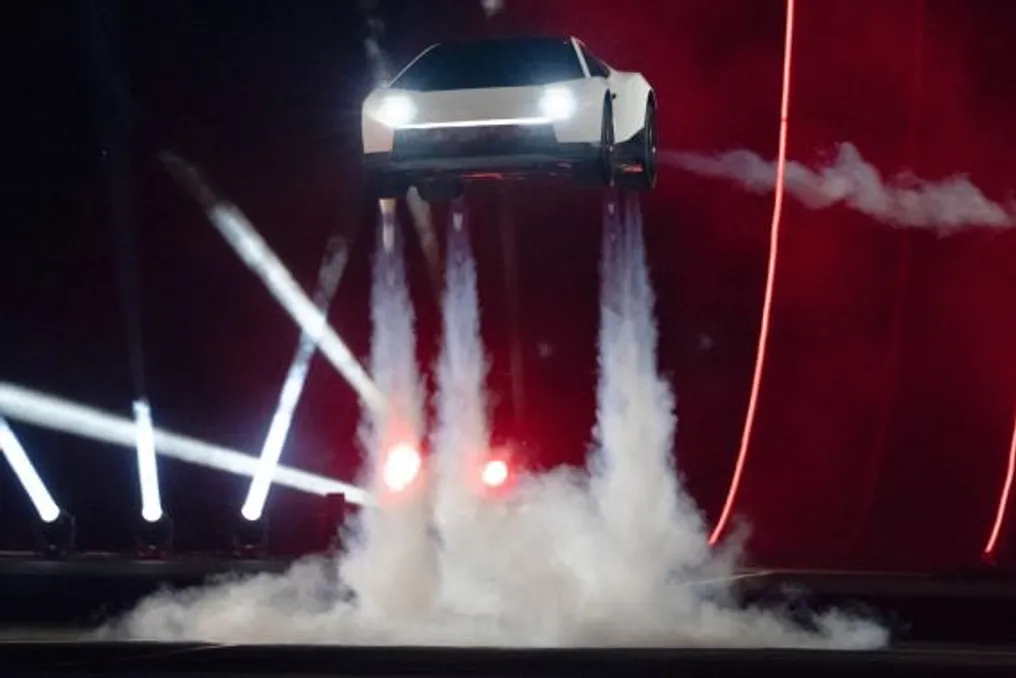
The new Tesla Roadster made an impression during its presentation by jumping over other cars. However, this trick comes at a time cost.
According to Lars Moravy, Vice President of Vehicle Development at Tesla, the Thrust version's engines operate for about five seconds, and currently, recharging them takes between two and six hours. This information was presented in a video for the British magazine Top Gear.
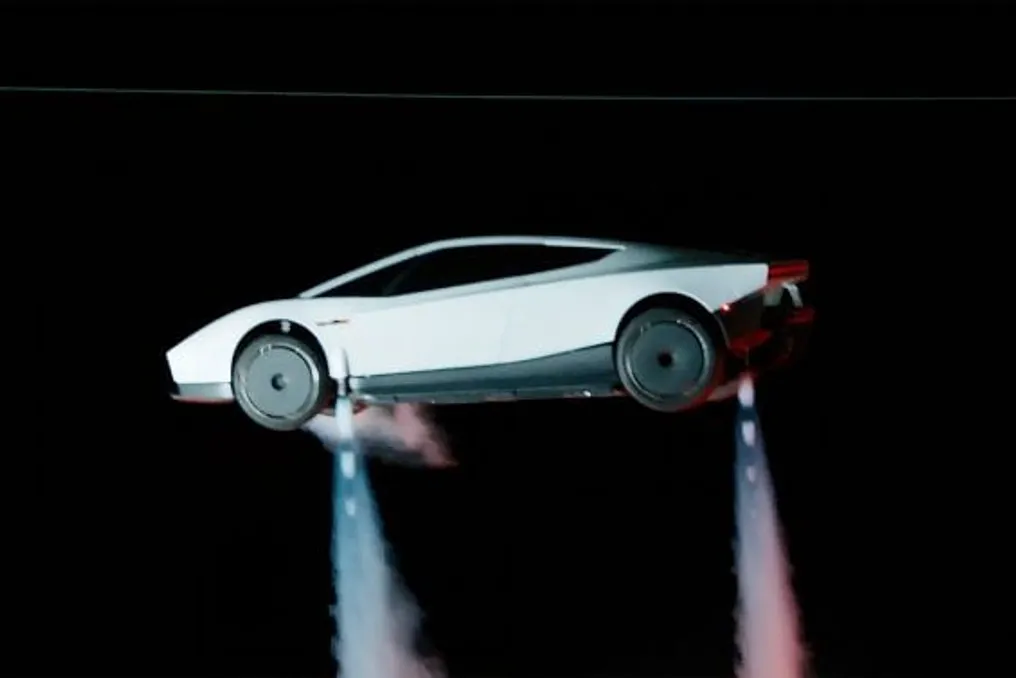
The manufacturer's goal is to reduce this time to less than thirty minutes. The boosters were developed in collaboration with SpaceX, Elon Musk's rocket company. These devices, called cold gas thrusters, do not burn fuel; they release compressed nitrogen in short bursts from a reservoir.
In the Thrust version, the reservoir holds 200 liters and operates at a pressure of up to 10,000 pounds per square inch (psi)—which is more than 300 times higher than the pressure in a car tire calibrated to 32 psi. Moravy described the refueling process by connecting the car to an external nitrogen source. Since most common high-pressure systems reach about 6,000 psi, the owner will require specialized industrial equipment to fill the tank, according to Motor1's website.
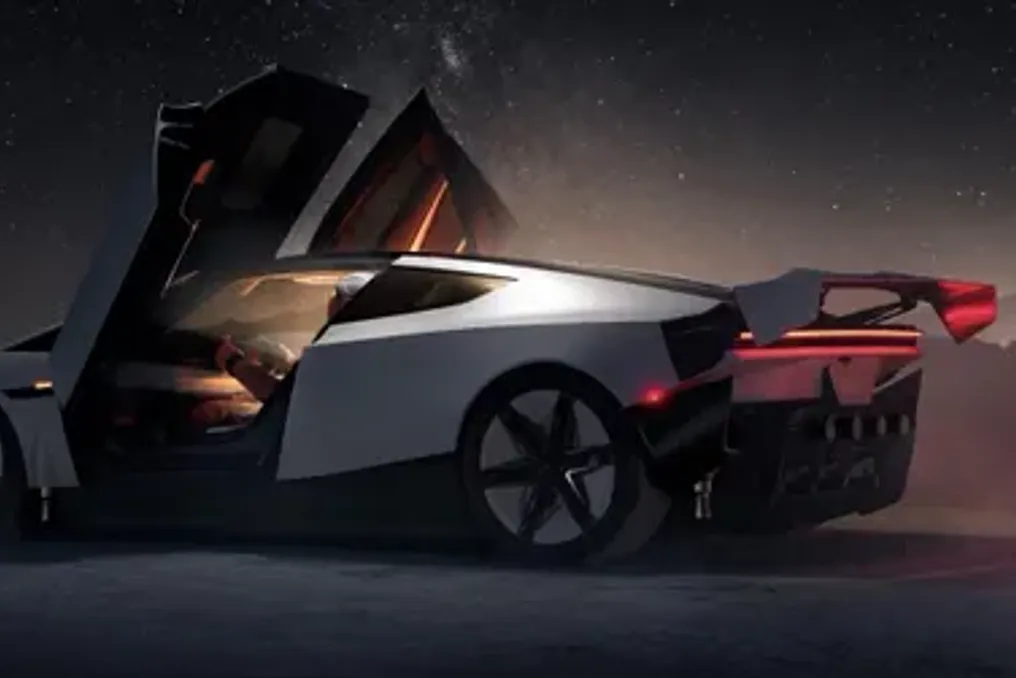
The Rocket version, which is single-seater and equipped with approximately ten boosters distributed across the body, uses even larger reservoirs, around 600 liters. The Roadster was unveiled on October 15th in Texas (USA). At the event, the car climbed a ramp, flipped over, and jumped over five models of the same make.
Tesla offers the car in three variants: Performance, without boosters; Thrust, with rear boosters that, according to the company, allow the car to accelerate from 0 to 96 km/h in less than 0.9 seconds; and Rocket.
Currently, the manufacturer charges only for the reserve version: 267 thousand reals ($50,000 USD) for Performance and 1.3 million reals ($250,000 USD) for Thrust. The Rocket version is available only by invitation. Elon Musk, CEO of Tesla, promises to begin production in 2028. The supercar was first introduced in 2017, with the initial launch scheduled for 2020.