Toyota, a company recognized for its leadership in hybrid vehicles, is developing a new generation of automotive technology with the goal of reducing fuel consumption by more than 15%.
The Japanese manufacturer announced that this new system was designed for future platforms that will support various configurations, including hybrid, plug-in hybrid (capable of external charging), and fully electric versions.
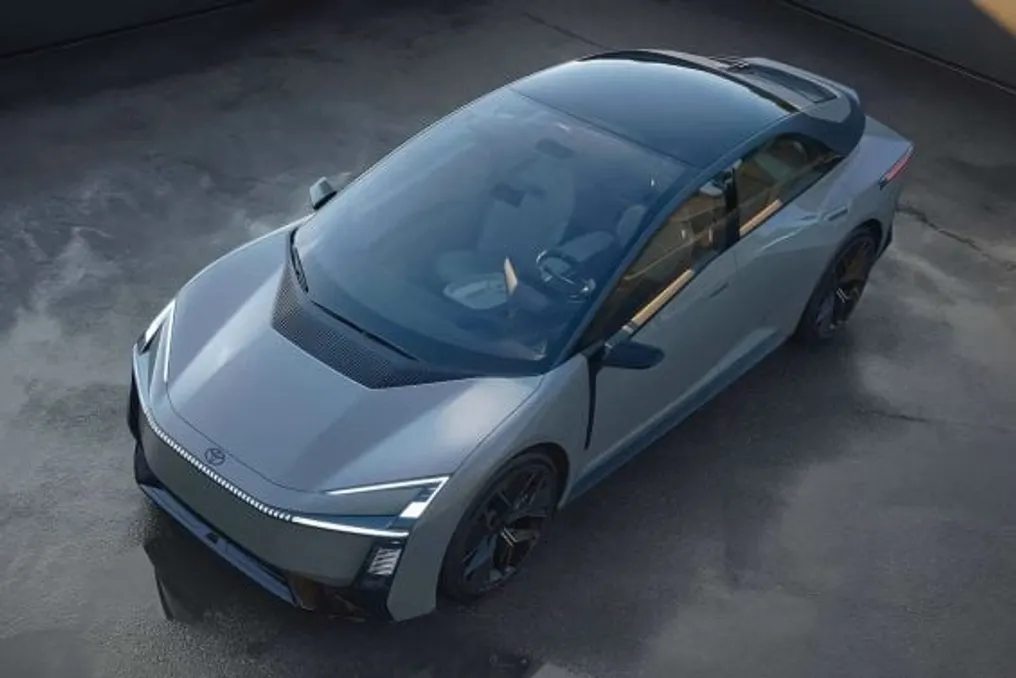
European press expectations indicate that the first vehicle to incorporate this novelty will be the next generation of the Corolla, whose debut is scheduled for 2028. This new sedan was previously presented at the Corolla Concept during the Japan Mobility Show, held in Tokyo last year.
The core of this project lies in a new family of 1.5-liter four-cylinder engines, offering both naturally aspirated and turbo options. It is important to note that Toyota did not modify an existing engine; the new units were entirely designed to operate in conjunction with electrical systems.
According to the brand, the 1.5 naturally aspirated version will have performance equivalent to that currently provided by the 1.8 and 1.5 three-cylinder engines.
In the Brazilian market, the 1.8 engine is used in the Corolla and Corolla Cross hybrid flex models, which run on ethanol and gasoline. Concurrently, electronic components—such as inverters, motors, and power control units, responsible for managing energy flow—have been optimized, becoming smaller and lighter.
This reduction in size and weight allows the vehicles to have a lower hood and a freer design. The manufacturer assures that the hybrid versions will fit into the same architecture as the electric models, without compromising the silhouette, interior space, or overall capacity of the vehicle.
Toyota attributes the increase in efficiency to four main factors: reduction of mechanical friction, improvement in thermal management, reduction of electrical losses, and minimization of aerodynamic resistance.
Using a common base for multiple powertrains also helps dilute development costs and allows production to be adjusted according to the specific demand of each market, according to the manufacturer itself. Additionally, the system is being prepared to run on renewable fuels, and Toyota plans to expand the sale of its engines and hybrid technology to other companies in the coming years.