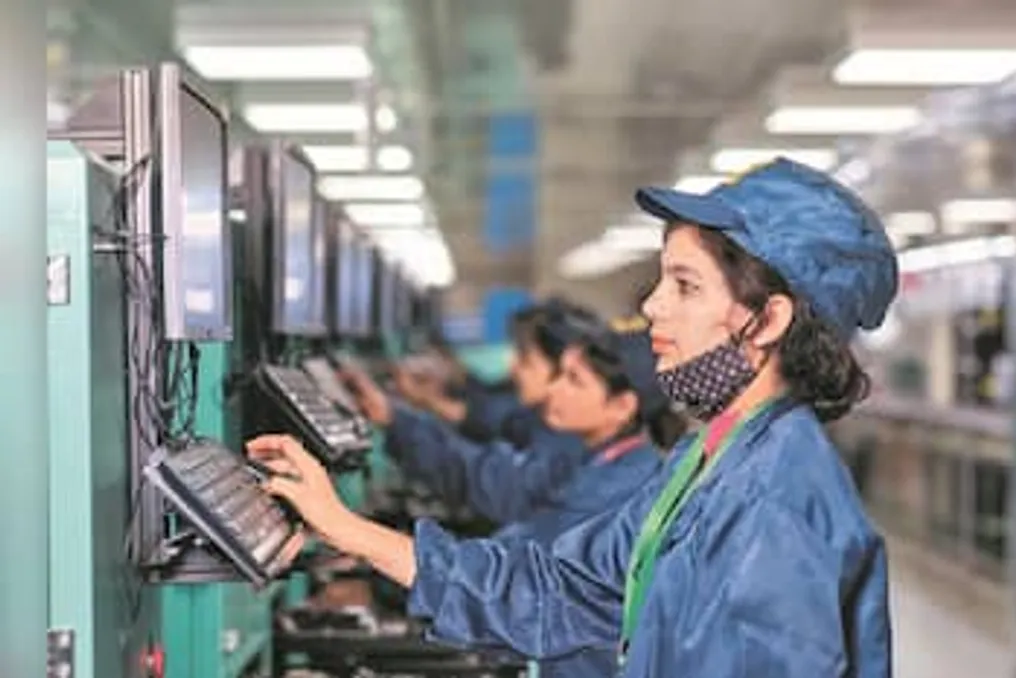
According to a study conducted by the Indian Council for Research on International Economic Relations (Icrier), the number of women in the labor force in India has almost doubled between 2017–18 and 2025. However, this growth is concentrated in unprotected employment sectors, accompanied by a reduction in working hours and an expansion of the wage gap.
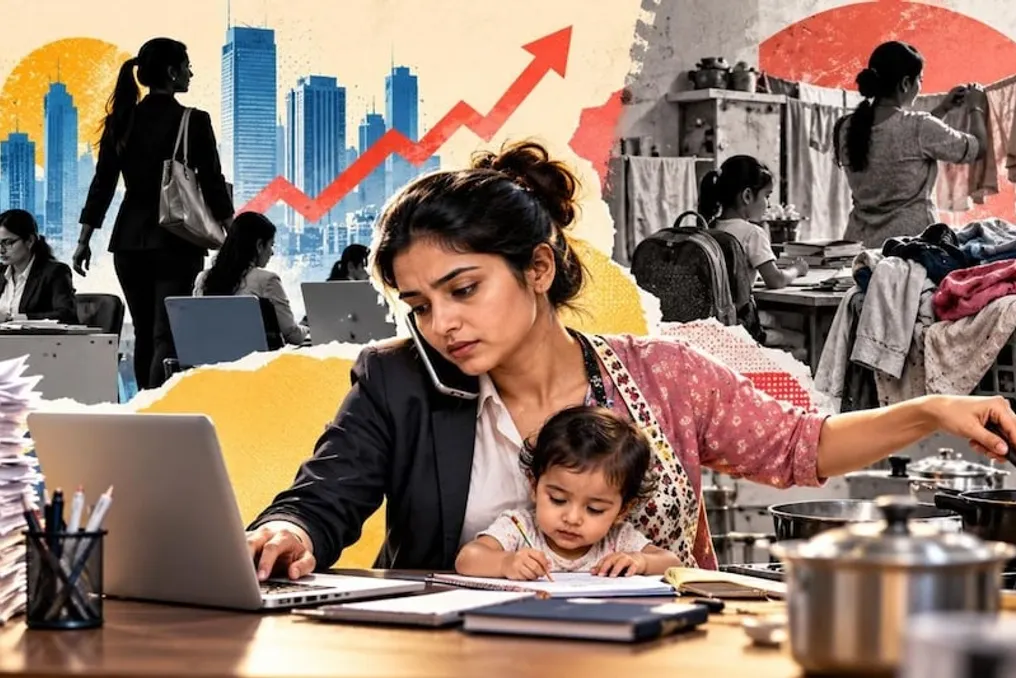
The study, titled 'Participation Paradox: Women's Work and Time Use in India from 2017–18 to 2025,' found that women have taken up more paid work, while their unpaid domestic responsibilities have not decreased. This has resulted in them having less time for rest and self-care.
The authors, including Tanu M Goyal, Shravani Prakash, Ketaki Gaikwad, and Arjuna Tandon, based on data from the Periodic Labour Force Survey (PLFS), reported that the number of working women increased from 104 million in 2017–18 to 201 million in 2025. Meanwhile, the ratio of female workers rose from 22 percent to 38 percent. It should be noted that the figures for 2025 are based on a revised PLFS with an increased sample size and calendar period, and the authors caution about the need for caution when comparing with 2017–18 data.
The increase in employment was concentrated in rural India and the agricultural sector. The female worker ratio in rural areas increased from 23.7 percent to 44.9 percent, while in urban areas it grew from 18.2 percent to 25.9 percent. The share of men in the primary sector of rural areas decreased from 54.1 percent to 47.2 percent, while the share of women in rural areas increased from 70.7 percent to 73.3 percent. The study noted: 'Structural transformation is visible for men, but it has largely bypassed women in the country.'
Regular wage employment could not keep pace with the growth rate. Among rural women, self-employed workers increased from 13.9 million to 56 million, raising their share in rural female employment from 18.6 percent to 37.2 percent. Meanwhile, regular wage employment increased from 7.9 million to 13.9 million, but its share decreased from 10.5 percent to 9.3 percent. The authors concluded that 'the additional women entering the workforce primarily came through self-employment and unpaid family labor, which are the most unstable and least paid categories.'
The authors suggest that such a sharp rise in rural India is harder to interpret as a reaction to improved opportunities; rather, it indicates that rural women are 'drawn in out of necessity, whether in agricultural activities or home-related enterprises.' The report also mentions an alternative view presented by the Economic Survey for 2023–24 and some researchers, according to which the growth was driven by opportunities.
Average weekly hours decreased for all groups between 2017–18 and 2025, but the working week for rural women decreased the most—by more than six hours. The study notes: 'The increase in participation along with the reduction in hours per worker implies an expansion of the workforce towards increasingly marginal, low-intensity activities.'
The wage gap also widened. The nominal monthly wage of rural men increased by approximately 65 percent over the specified period, while for rural women, this growth was 41 percent. In 2025, rural women earned about 45 percent of the monthly salary of rural men, compared to 53 percent previously. In nominal terms, the monthly gap in rural areas almost doubled, increasing from approximately 4200 rupees to over 8000 rupees.
Unpaid labor of women remained virtually unchanged. Time use surveys for 2019 and 2024 show that the difference in unpaid domestic labor remained generally constant—about 223 minutes per day among participants in 2024, and the difference in caregiving increased from 58 to 63 minutes. In 2024, working women also had less time for self-care than women overall: 18 minutes less in rural areas and 31 minutes less in urban areas, while working men had slightly more time than men overall.
Six out of ten women not in the labor force cited childcare and household obligations as the main reason, whereas men had almost no such reasons. The authors call for a shift from maximizing participation to ensuring structural transformation. They recommend implementing more childcare services, enforcing kindergarten rules, introducing paid paternity leave and shared parental leave, setting employment targets for women in production-related incentive schemes, as well as social protection for women working in the gig economy, and conducting regular time use surveys alongside PLFS.