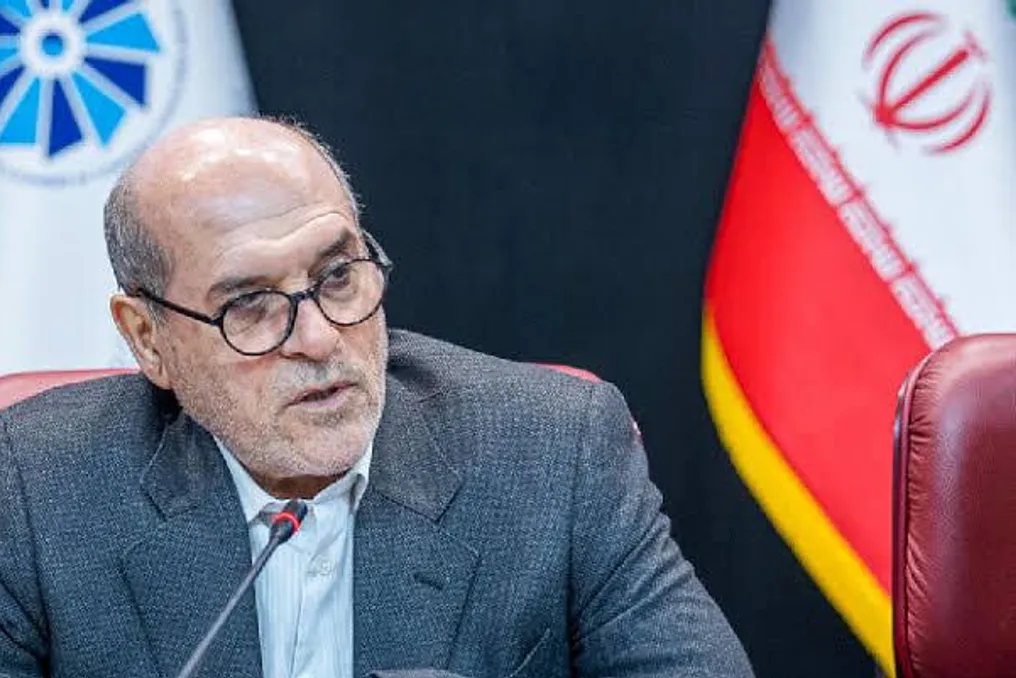
The head of the Tehran Chamber of Commerce, Industry, Mining and Agriculture (TCCIMA) noted that the private sector provided significant support to the government by preventing disruptions in the supply and distribution of goods, which was confirmed by the President.
Mahmoud Najafi Arab, referencing the difficulties faced by economic enterprises, reported that major, medium, and small sectors suffered serious damage during two recent wars. There were instances of direct hits and destruction of factories located in industrial zones, damage that is difficult to compensate for.
He added that the military conditions complicated enterprises' access to export and import markets and created serious limitations for securing working capital. In such an environment, attracting foreign investment seems more unattainable than ever. Simultaneously, domestic business problems have intensified, and rising inflation has increased storage costs for inventory.
Emphasizing the role of mass media in reflecting the country's economic problems, the head of TCCIMA stated that the media must accurately and professionally cover the difficulties of businesses to create a basis for their assessment and resolution. He also stressed that the private sector cannot overcome the current circumstances alone, without the support of the government and the people.
Najafi Arab reiterated that the private sector provided the greatest assistance to the government by preventing supply interruptions. He noted that economic entities supported the country with compassion and self-sacrifice, but despite these actions, there remains a misconception in society about their activities.
He objected to the view that economic entities are parasites or pursue only personal interests, noting that this opinion stems from past intellectual trends. The media can effectively correct this attitude by presenting the lives and activities of entrepreneurs and fairly reflecting their efforts.
Najafi Arab concluded that restoring the position of the private sector in the Iranian economy requires greater support and attention. Experience has shown that as long as the issue does not become a public demand, serious reforms cannot be expected. The media must elevate the problems of economic enterprises beyond scattered complaints and transform them into a public demand for political reform.
Speaking about the role of media in promoting a culture of production and entrepreneurship, he noted that changing the approach to covering economic issues can contribute to strengthening this culture. Presenting industrial innovations, knowledge-based companies, export-oriented enterprises, and the successful experience of large and medium businesses demonstrates to society that creating economic value is a complex and lengthy process, and developing an industry is the result of generations of effort.
The head of TCCIMA emphasized that the responsibility of the media should not be limited to publishing news about economic problems; it must also include continuously monitoring demands and evaluating the work of officials. It is necessary to determine the extent to which these promises have been kept and whether the announced reforms have improved the business environment.
Najafi Arab added that periodic publication of reports on the state of economic problems, the progress of reforms, and remaining obstacles can expand the role of the media beyond simple information dissemination, turning it into an effective tool for accountability and political reform.
Regarding media problems during the war, he reported that they also suffered serious damage. Increased costs and declining audience after internet restrictions put pressure on the media economy and, in some cases, led to layoffs.
Under these conditions, according to Najafi Arab, economic enterprises should help support the media in various ways and play a role in ensuring their economic sustainability. The media are not just observers of economic processes; they can become active participants in shaping a competitive, transparent, and productive economy.
He also stressed the need to enhance the specialized knowledge and expert potential of the media, stating that the country's media must strengthen its expert base and meet the standards of international media. In this endeavor, the private sector and TCCIMA are ready to cooperate with media professionals.
Continuing his criticism of government interference in economic activity, the head of TCCIMA pointed to the ongoing problem of executive branch intervention in the economy. He stated that command economics and command pricing have seriously damaged industry, services, and other business sectors.
Emphasizing the need for the media to cover this issue more seriously, he called on them to carefully study and reflect on the consequences of state intervention in the economy and the results of command policies. It is also important to draw attention to the efforts of media resources actively working in this area so that the country's governing system realizes the need to change restrictive approaches in the economy.
Najafi Arab mentioned TCCIMA's plans to support media involved in this field, stating that they will try to recognize media resources that effectively explain the destructive impact of state intervention and command pricing and consider them for appropriate awards.
He also noted the increase in economic circulars and directives amid the country's difficult conditions. During reviews in Shahrivar (September), significant and worrying statistical data regarding the number of circulars and regulations issued by executive bodies were identified. The head of TCCIMA emphasized that the more difficult the conditions in the country become, the more the volume of circulars and the degree of executive intervention in the economy increases. Only in Shahrivar did various executive bodies issue a significant number of circulars in various economic areas.
In conclusion, Najafi Arab insisted that the media must seriously address the issues of command economics, command pricing, and the consequences of executive intervention in the activities of economic enterprises, as continuing this course in recent years has caused significant damage to the country's economy.