Study shows that donating breast milk does not cause greater bone loss in mothers than breastfeeding
Read more
Super Abril
super.abril.com.br

Study shows that donating breast milk does not cause greater bone loss in mothers than breastfeeding

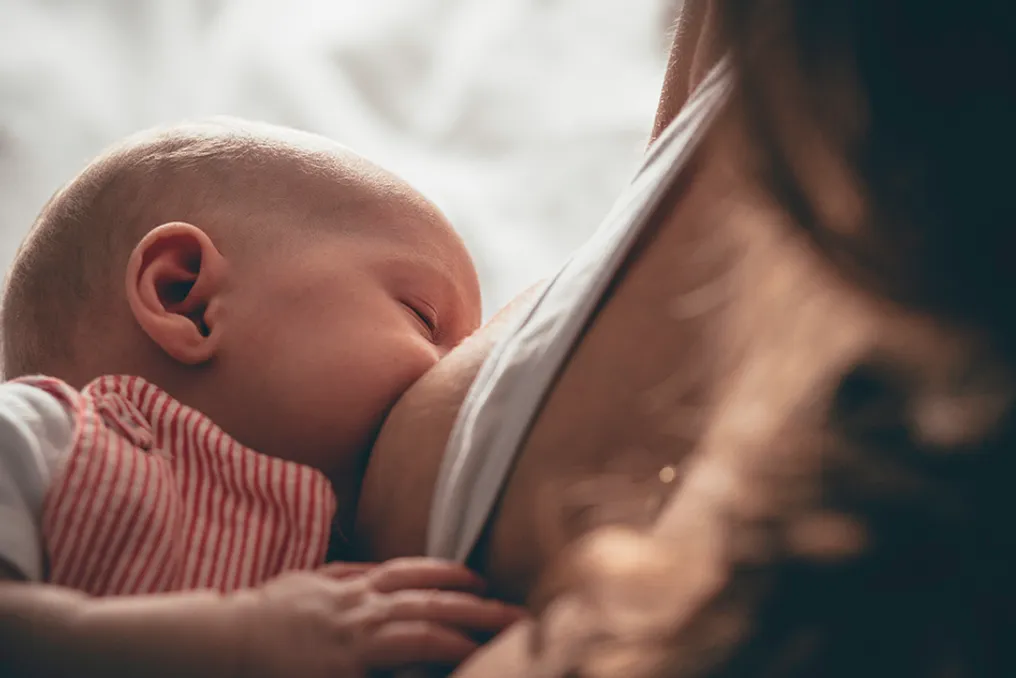
Pregnancy and lactation represent phases of intense female bodily changes, requiring an increased demand for calcium. This mineral is necessary both to support the skeletal development of the fetus and for the production of breast milk that nourishes the newborn in the first months or years of life.

If the mother does not have enough calcium, the body extracts it directly from its own skeleton, which can cause bone mass loss ranging from 3% to 10% during the first four months of exclusive breastfeeding. However, this loss tends to be reversed when the baby's diet is supplemented after six months of exclusive breastfeeding, at which point hormonal levels normalize and menstruation returns.

Considering the risk that bone fragility poses to women's future health and quality of life, Professor Tamara Beres Lederer Goldberg, along with two doctoral students from the Postgraduate Program in Tocogynaecology at the Faculty of Medicine of Unesp in Botucatu, initiated a study. The objective was to verify whether the volume of milk produced influenced bone mass loss, comparing mothers who only breastfed their children with those who also donated milk to human milk banks.

The study's coordinating professor initially expected that producing a larger volume of milk would lead to greater bone deterioration, but the results indicated the opposite: 'The impact is the same.' These findings were published in the Journal of Pediatrics.

Between July 2020 and March 2023, the research monitored 77 nursing mothers. Of these, 38 fed only their babies, while 39 donated excess breast milk during the period. The first group was evaluated 15 days and six months after birth, and the second group was evaluated at six and twelve months postpartum.

To minimize the influence of external variables on bone mass, women aged between 18 and 38 were selected, who were pregnant for the first time, with pregnancy classified as low risk, and whose babies were born full-term and with adequate weight for gestational age. Women with obesity or diseases that could affect bone metabolism were excluded from the study.

All participants were assessed for Body Mass Index (BMI) and underwent densitometry exams to measure bone mineral density in three areas: lumbar spine, total proximal femur, and whole body. Additionally, blood samples were collected to quantify calcium, phosphorus, vitamin D, estradiol, parathyroid hormone, and markers of bone formation and resorption. The volume of milk donated by each participant was also recorded.

After six months of breastfeeding, the bone mass test results of the two groups were identical. Tamara emphasized that there was no previous literature investigating the effects of breast milk donation on the bone health of donors. She mentioned that the initial reasoning was that donating large volumes of milk, in addition to personal consumption, should negatively impact bone mass, but this did not occur, which was a surprising finding.

Between six and twelve months after birth, when breastfeeding was already supplemented, the bone mineral density values of the lumbar spine and femur in milk donors showed increases of 5% and 1.5%, respectively, signaling the beginning of a regeneration process by the body. No significant changes in BMI were noted.

Regarding biomarkers, the trend of bone recovery was confirmed by the observed changes. The most relevant finding was the decrease in CTX starting from the sixth month of breastfeeding. This biomarker indicates the degradation of bone collagen, and its drop, along with the reduction in bone alkaline phosphatase (an indicator of bone formation), suggests a slowdown in bone remodeling activity.

When comparing the data of donors at 12 months with that of non-donors at 15 days, after necessary statistical adjustments, it was found that even while maintaining complementary breastfeeding, bone mineral density values tended to return to the averages recorded shortly after birth. Tamara concluded that although there is an 'aggression,' bone mass loss is temporary, and breast milk donation does not worsen bone health more than breastfeeding itself.

It is important to note that bone mass loss during exclusive breastfeeding, despite being transient, is more pronounced than that observed in women in menopause, who record an annual loss of 1% to 3%, constituting a factor that can affect long-term quality of life, requiring attention to bone quality before pregnancy.

The researchers also observed that the women studied had low calcium intake through diet and, during pregnancy, did not receive calcium or vitamin D supplementation, nutrients crucial for maintaining and gaining bone mass. Tamara commented that in the SUS, the offering is limited to folic acid, while women in private services receive these supplements, but without tests to assess the sufficiency of the doses. She pointed out the scarcity of research validating the ideal amounts for this period of female life.

The results of this work open new avenues for investigation. Currently, Tamara leads a study focused on bone mass loss during pregnancy, focusing on women attended in the Unified Health System in Botucatu. The purpose is to map the bone mass of pregnant women throughout the entire pregnancy to identify periods of highest risk, thus helping to guide public health policies.

The researcher also expressed interest in investigating the impact of multiple pregnancies on bone quality, the effect of maternal obesity—due to the chronic inflammatory process—, and possible differences in bone mass between white and black women. However, she reinforced that such issues do not change the recommendation regarding breastfeeding, which, according to the World Health Organization (WHO), should be exclusive until six months and supplemented until two years or more.

Tamara concluded by saying that the study serves as a warning to gynecologists and pediatricians, emphasizing that the success of breastfeeding depends on professional support and guidance, because 'breastfeeding is a social process.'

Similar stories

Veterinarian warns that overfeeding dogs human food can lead to obesity
Read more
iol.co.za

Veterinarian warns that overfeeding dogs human food can lead to obesity

A veterinarian from South Africa, Dr. Amir Anvari, cautioned that regularly feeding dogs high-calorie foods from the human diet can contribute to the development of obesity and related health problems.

He addressed women whom he referred to as 'Indian aunties' who give their pets biryani, samosas, and burfi, warning about potential health issues associated with excess weight.

Anvari, known on social media as 'Amir the Vet,' stated in his video message: 'I am a veterinarian from South Africa, and this is serious. I don't know which specific Indian aunty in Durban needs to hear this, but you need to stop feeding your dog curry.' He noted that dogs with excess weight constantly come to the clinic, whose owners are Indian, and asks them about the reasons. The answers often boil down to the mother continuing to feed the dog curry, biryani, oily chicken, samosas, spring rolls, and burfi, and that the dog gets 'essentially everything my mother eats.'

Anvari acknowledged the understanding of Indian culture and the love for food, but warned that overweight dogs are at risk of developing heart and joint problems, as well as systemic inflammation.

He added: 'I understand. I am from an Indian family, so I know the culture. Love is food, and food is love. But how much, aunty? Can you give your dog a little samosa and a little oily chicken occasionally? If that's what you should be doing, I understand. But don't give it every day or pour it over the main food. It's too much. It's way too much because now your dogs are overweight, and it's not good for them. When your dog gets so fat, it affects its heart, joints, and increases systemic inflammation. It's never good for them to be so plump, so please, aunty, save the curry and biryani and disappointment for the children,' he said in the video.'

In response to Anvari's video, pet owners left comments, some of which were humorous, while others claimed their pets were fine despite also feeding the dogs curry and rice. One owner wrote: 'Our dog is 13 years old. She eats curry, rice, and all the good stuff. The problem is she is fine, and I am a bit chubby.' Another shared an experience: 'My Chow Chow puppy just finished a month of fasting with us and ate everything I ate. Dal with rice, cauliflower curry, green beans, beans, vegetable biryani, sweet rice, roht, veda, gulgula, and everything else. He only eats basmati rice and curry every day, and he is absolutely healthy and looks great.'

Another resident commented: 'I secretly envied. I want to return (reincarnate) as a dog in an Indian house.'

Karnataka Government Approves 8 Rupee Price Hike for Milk Per Liter
Read more
www.aajtak.in

Karnataka Government Approves 8 Rupee Price Hike for Milk Per Liter

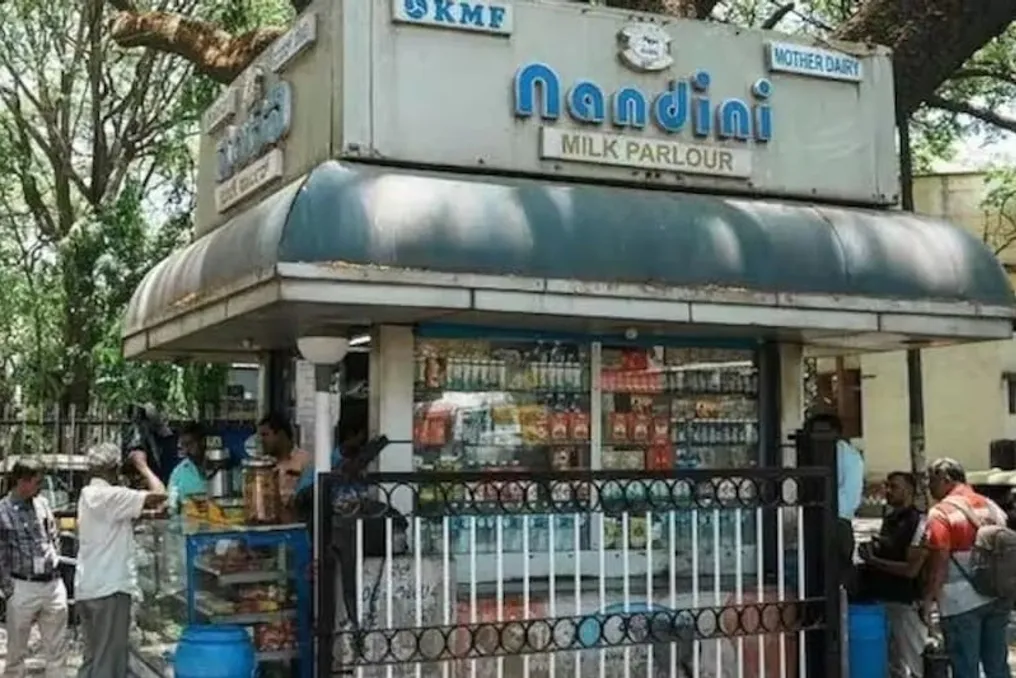
Residents are facing difficulties due to the sharp rise in prices. The Karnataka government cabinet approved an increase in the cost of milk by 8 rupees per liter. This increase applies to Nandini Milk.

The Karnataka cabinet made this important decision on Tuesday, and it will take effect from November 1st. Previously, this proposal had been approved by the cabinet, but its announcement was postponed due to elections to the Legislative Assembly (MLC) and the existing code of conduct. Now, after the code of conduct was lifted, the government announced the price increase.

Minister Krishna Bayre Gowda stated that in light of the crisis faced by farmers, members of all parties in the Legislative Assembly demanded measures to provide them with assistance. Milk producers themselves took to the streets to protest, and cooperative societies also insisted on a price increase.

Discussing this with journalists after the cabinet meeting, he reported that, respecting these demands, the cabinet decided to increase the price received by dairy farmers by 7 rupees per liter. Additionally, cooperative societies will receive an increase of 1 rupee per liter, totaling an 8 rupee per liter rise.

The Minister also informed that the issue was discussed two or three times in the cabinet. Ultimately, a unanimous decision was reached on the matter. He added that when farmers held demonstrations, representatives of their cooperative societies met with the Chief Minister, the Minister of Animal Husbandry, and the Minister of Cooperation, demanding a price increase of at least 10 rupees per liter.

Government distributes free dairy cows to 10,000 women in Tamil Nadu to increase income
Read more
www.aajtak.in

Government distributes free dairy cows to 10,000 women in Tamil Nadu to increase income

The government has adopted a significant measure to boost the incomes of rural women in Tamil Nadu. An allocation of 57 crore rupees has been made for the 2026-27 fiscal year. These funds will allow 10,000 women from rural areas to receive a free dairy cow.

The announcement of this program was made in the state's budget for 2026-27. The goal is to provide village women with a means that ensures monthly income for the family, while also promoting an increase in milk production in the state.

According to the program's terms, each beneficiary will be provided with a healthy crossbred dairy cow. This cow must be capable of yielding at least 8 liters of milk daily. The government emphasizes that the benefit is not limited only to milk sales; the focus is also on strengthening the economic position of rural families, enhancing women's self-sufficiency, and improving family nutrition levels.

According to an official, this initiative aims not only to provide immediate assistance but also to create a long-term asset. With proper veterinary care and the application of scientific animal husbandry methods, it is expected that one cow will give birth to three to four calves over five years. Thus, the cow can become a source of income for the family for many years. This should also stimulate the development of dairy farming in villages and strengthen milk cooperatives.

In addition to increasing milk production, the government seeks to support regular income and economic freedom for rural women through this program, as Tamil Nadu is among the selected states for milk production and purchase in the country. The government advocates for the promotion of scientific farming and improved animal husbandry. It remains to be seen how beneficial this program will be for the ten families.

Popular