Three international companies—Carlsberg, Pernod Ricard, and Coca-Cola—plan to go public in India
Read more
Aaj Tak
www.aajtak.in

Three international companies—Carlsberg, Pernod Ricard, and Coca-Cola—plan to go public in India

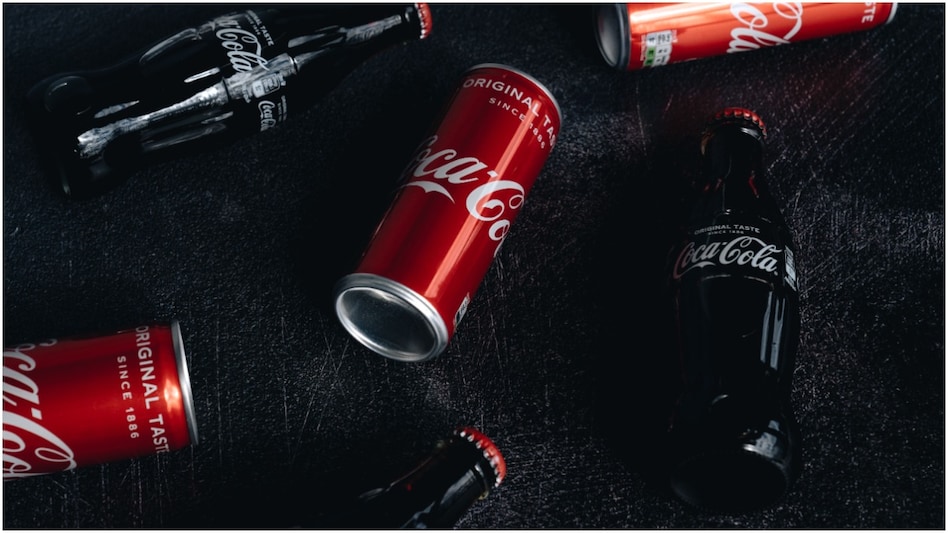
Three major global beverage companies intend to conduct an Initial Public Offering (IPO) in the Indian market. Carlsberg, Pernod Ricard, and The Coca-Cola Company are advancing their listing plans, aiming to capitalize on the domestic capital market opportunities.

According to a PTI report, all three companies mentioned progress on their potential IPOs during recent earnings conference calls. Carlsberg has filed an updated Draft Red Herring Prospectus (DRHP) with the relevant authorities.

Pernod Ricard continues preparatory work pending board approval, while Coca-Cola is considering listing its bottling operations in India. The proposed listings reflect the growing interest of multinational beverage producers in unlocking the value of their Indian businesses through public offerings.

The British brewing company Carlsberg is at the forefront of the listing process after filing an updated DRHP with the Securities and Exchange Board of India (SEBI). During the Q3 2026 earnings call, CFO Ulrika Fern confirmed that the updated DRHP was submitted to SEBI on October 28. This document is available on the regulator's website and on the Carlsberg India website.

According to Moneycontrol, Carlsberg CEO Jacob Rup-Anderson also confirmed that work on the prospective listing is ongoing and the IPO is moving forward. Ulrika Fern added that they are now meeting with potential investors.

French alcoholic beverage producer Pernod Ricard is preparing for the listing of its Indian business, although final board approval has not yet been granted. The company owns well-known brands such as Absolut, Jameson, Chivas Regal, Ballantine's, and The Glenlivet. For the quarter ending in September, the company demonstrated a growth rate of 19 percent.

Coca-Cola is exploring the possibility of an IPO for its bottling operations in India through its parent company, Hindustan Coca-Cola Holdings (HCCH), which is the parent of Hindustan Coca-Cola Beverages (HCCB). Coca-Cola President and CFO John Murphy confirmed during the latest earnings call that this matter is under consideration.

In June, Coca-Cola announced that preliminary preparations had begun for the potential listing of its bottling operations in India on the Bombay Stock Exchange and the National Stock Exchange. The realization of the proposed offering depends on market conditions and obtaining the necessary regulatory approvals.
Similar stories

Jio Platforms becomes the country's fourth largest company with a market capitalization of 10.30 lakh crore rupees
Read more
www.aajtak.in

Jio Platforms becomes the country's fourth largest company with a market capitalization of 10.30 lakh crore rupees

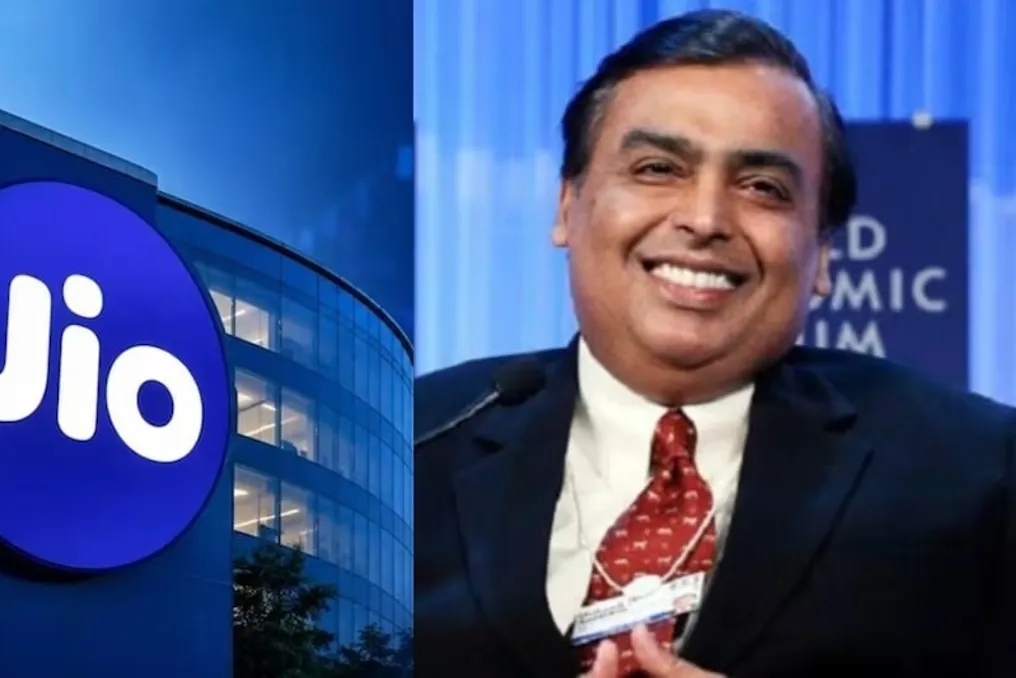
October 28, 2026, will be an important day for the Indian stock market as Jio Platforms Limited, a major digital and telecommunications player in the country, prepares to go public. Investors from around the world are eagerly awaiting this listing.

The company's IPO has attracted significant attention due to its high valuation of 10.3 lakh crore rupees. The IPO saw the issuance of 270 million new shares at a price of 1,119 rupees per share. Based on the initial IPO valuation, Jio Platforms became the fourth largest company in the country, following Reliance Industries (16.2 lakh crore rupees), Bharti Airtel (12.2 lakh crore rupees), and HDFC Bank (10.6 lakh crore rupees).

The main interest is focused on the stock prices on the listing day, which falls on Wednesday. According to market analysts and trends in the 'grey market', if Jio's shares debut with a 20% premium, meaning at approximately 1,340 rupees per share, the total market value of the company will exceed 12.3 lakh crore rupees. With such growth, Jio Platforms would take the second position among India's most valuable companies, right after its parent company Reliance Industries.

This massive listing by Jio will strengthen the status of the entire Reliance group. The combined market capitalization of Jio and Reliance Industries (RIL) will exceed 27 lakh crore rupees. By reaching this mark, the Reliance group will surpass other major business houses in the country. As of October 27, 2026, the combined market capitalization of all 32 public companies of the Tata Group was about 25.7 lakh crore rupees, and the capitalization of 11 companies of the Adani Group was approximately 16.6 lakh crore rupees. If Jio's listing occurs with a higher than expected premium level, the Reliance group will approach the 'magic' mark of 30 lakh crore rupees.

This IPO is not just a story of one company going public, but also a testament that Indian companies have reached a global level in terms of valuation. This historic event is being closely watched by retail investors, large funds, and market giants across the country.

VinFast sales in India increased by 392.8% in September thanks to the success of new models
Read more
www.aajtak.in

VinFast sales in India increased by 392.8% in September thanks to the success of new models

September 2026 proved to be a very successful month for VinFast. Compared to September of last year, the company sold significantly more vehicles in the Indian market. If only 376 units were sold in September 2025, the company delivered 1,853 units this September.

This growth amounted to 392.8% year-on-year. Regarding specific figures, 1,477 more cars were sold in September this year than in September of last year. The most popular model in the company's portfolio is the Limo Green, although this vehicle is not sold to the general public.

Instead, Limo Green is acquired by SM Green, which acts as a taxi provider for VinFast. According to the Auto पंडित्ज report, the company sold 850 Limo Green vehicles in September. The next best-selling model was the VinFast VF 7, which was sold in quantity of 625 units in September. Last year, only 158 such cars were sold, demonstrating a sales increase of 295.6% year-on-year. These two models accounted for 79.6% of the company's total sales volume.

The VF-6 model also showed growth. In September of last year, 218 units were delivered, whereas this September the company delivered 323 units, corresponding to an increase of 48.2% year-on-year. The MPV 7 model sold only 55 units in September and is the newest product in the company's portfolio. This car starts from 20.39 lakh rupees with an ex-showroom price and is equipped with a battery capacity of 60.13 kWh. The MPV's claimed range is 517 kilometers, and the company claims that charging from 10 to 70 percent takes only 30 minutes.

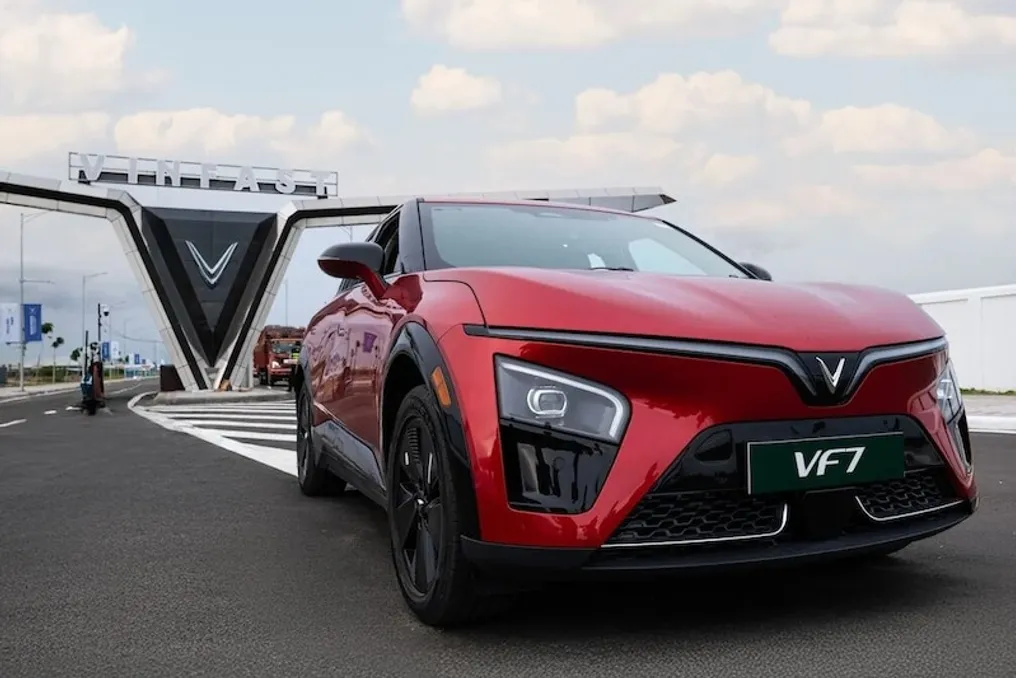
As for the second best-selling model, it is the VinFast VF 7. This five-seater SUV has an ex-showroom price of 22.99 lakh rupees and is equipped with a 70 kWh battery, providing a claimed range of 532 kilometers. VinFast's sales growth is also driven by the inclusion of two new models—Limo Green and MPV 7. Even excluding these two models, the company sold 948 units of VF 6 and VF 7 in September this year, representing a growth of 152.1% compared to the 376 units sold last year.

Indian Global Competence Centers Transition to Developing Products for the Global Market
Read more
yourstory.com

Indian Global Competence Centers Transition to Developing Products for the Global Market

India has long served as a global hub for technology services; however, the country's growing engineering capabilities are opening new avenues for product creation, intellectual property (IP) formation, and taking responsibility for innovation. As multinational corporations expand their research and development (R&D) centers in India, Indian teams are moving beyond merely executing assigned tasks to solving complex problems and creating solutions for the global market.

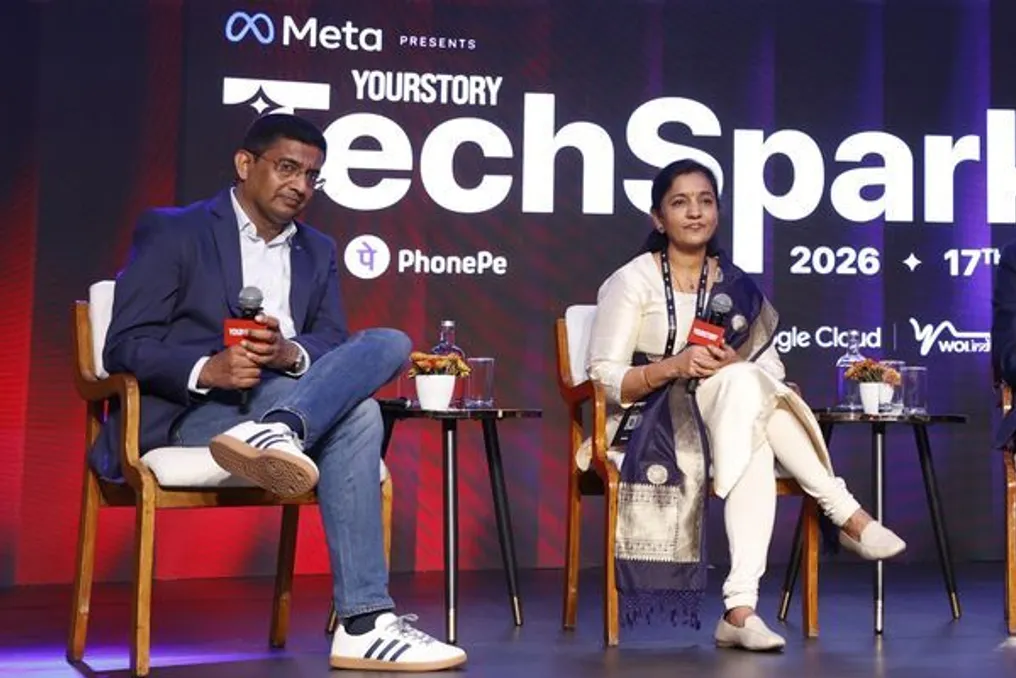
At the TechSparks 2026 event by YourStory, company leaders shared their vision of how India's Global Competence Centers (GCCs) can move up the value chain. The discussion covered the importance of product localization, building industry expertise, and developing problem-solving skills.

Kalavati G.V. noted that medical solutions cannot simply be transferred from one market to another, emphasizing: 'What works in the US does not work in India.' She explained that while medical technologies are global, healthcare must be local because solutions must account for differences in lifestyle, disease prevalence, accessibility, and level of medical care.

Previously, companies often adapted products designed for developed markets by removing features to align them with Indian needs. However, this approach failed to meet the diverse medical needs of the country, which span private hospitals, government institutions, and district clinics. Consequently, the company began collaborating with Indian clinics, hospitals, and clients to develop solutions that meet local requirements. 'We started co-creating some ideas with Indian clients,' she said.

An example of this approach is the C-arm visualization system, which was developed, designed, and manufactured in India to meet local needs. This product is now used in 40 other markets and has an installed base of 1400 units. Furthermore, Kalavati reported that the share of Siemens Healthineers software specialists based in India has reached about 50%.

For Lufthansa Systems, India's advanced engineering ecosystem and automation achievements offer opportunities to leverage existing capabilities within the Lufthansa Group. Although Lufthansa Systems recently commenced operations in India, the broader group already employs over a thousand people in the country. The CEO of the company in India, Luigi Chelmi, stated that they do not consider themselves lagging but see an opportunity to benefit from advancements in automation and established industry partnerships.

The expanding aviation and aerospace ecosystem in Bengaluru is also attracting attention. In a sector where reliability is critical, engineers must possess deep industry expertise and focus on change validation. Chelmi noted that engineers spend more time validating changes than creating them.

At Mercedes-Benz Research and Development India, the evolution lies in shifting from task execution to taking ownership of broader engineering challenges. While the vehicle remains a global product, Manu Sale indicated that the head unit—the digital interface inside the vehicle—offers opportunities for customization. Previously, India solved problems based on given instructions, but the focus has now shifted to asking questions: 'What is the problem? What is the big problem? Give me a clear statement, and I will try to solve it.'

Sale emphasized that this shift allows Indian teams to take responsibility for entire systems and subsystems instead of depending on daily directives from global headquarters. As engineers accumulate product knowledge and systemic expertise, they can engage with headquarters at a higher level and take charge of more complex tasks. He also stressed the need for India to move beyond traditional IT services and start creating products for both domestic and export markets, aiming not just to connect layers of technology but to develop expertise to own the entire stack.

These ambitions are reflected in the broader GCC ecosystem. Kalavati cited Nasscom data showing that 39% of GCCs in India are involved in product development, including product management, while about 9% act as transformation hubs. She concluded that 'we have reached a stage where, given the growth of the ecosystem, we can own complete products.'

Creating original IP also requires companies to start with a problem they want to solve, rather than a technology they want to implement. Kalavati advised organizations to rely on product experience, physicians, client relationships, and partnerships with hospitals and startups to develop solutions that address unmet needs. Sale agreed with this view, stressing that innovation begins when teams transition from service-oriented thinking to identifying problems and developing solutions.

Popular