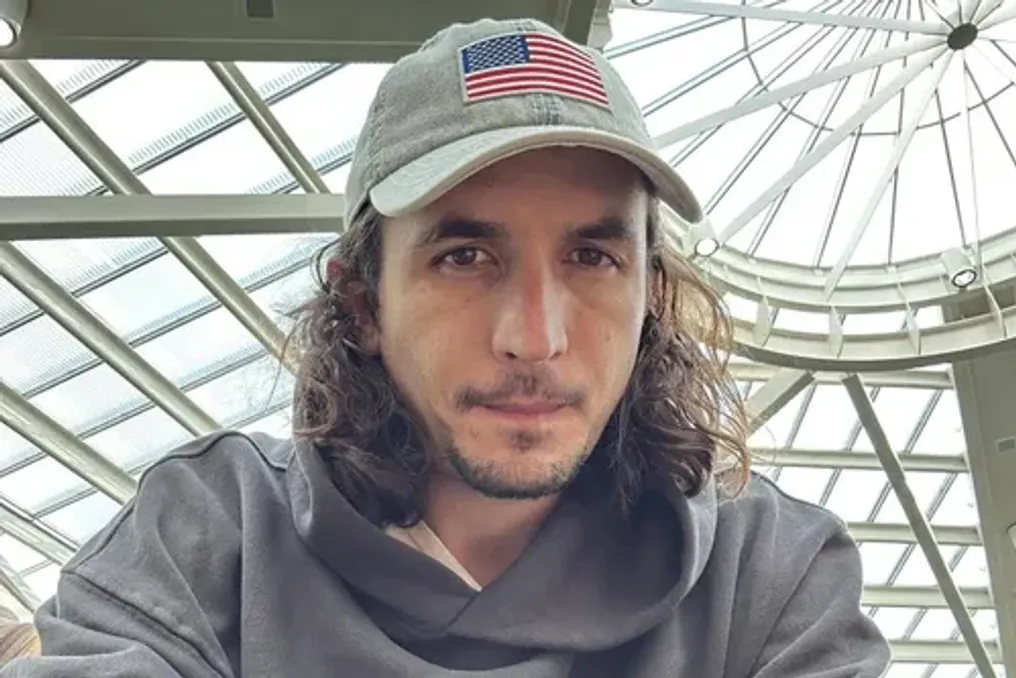
Musician The Kiffness discusses death threats and family concerns due to statements
Read more
IOL
iol.co.za

Musician The Kiffness discusses death threats and family concerns due to statements

Cape Town musician David Scott, known by the pseudonym The Kiffness, shared his worries related to death threats and concerns for his family's safety, which stemmed from his open political, racial, and religious statements.

In an interview with NewsdayZA, Scott spoke about his return to social media after having left the X platform earlier this year. He noted that the negative reaction to his controversial comments had taken on a frightening turn.

Scott stated that people are allowed not to agree with him, but the situation changed when threats began to be made against him and his family.

Scott reported that a member of the Black Sash organization disclosed his mother's personal data, calling the incident 'simply insane.' He recalled a moment when he doubted the advisability of participating in a planned performance, wondering why he should go on stage if there was a real possibility someone could approach him in the bushes at Kirstenbosch and cause harm.

As a result of these threats, Kirstenbosch had to implement entry security checks for the first time. Scott emphasized that this reflects the reality of the modern world, where open expression of opinion comes at a huge cost. Nevertheless, he decided to continue speaking because he believes it is necessary to speak the truth.

Scott has repeatedly found himself in awkward situations because of his social media comments; critics accused him of racism and provocative remarks. During the Covid-19 pandemic, he mocked the speech of former Minister Nkosasana Dlamini-Zuma regarding the ban on cigarette sales, which sparked a public argument with then-Ekurhuleni Mayor Mzwandile Masina. Masina accused Scott of racism and having apartheid mentality.

Furthermore, in 2022, Scott faced criticism for defending Hank’s Olde Irish Pub in Cape Town amid allegations that a Black visitor was denied entry unless accompanied by a white person.

His stance on the Israel-Palestine conflict also drew criticism, with pro-Palestinian groups accusing him of promoting ultra-right narratives. Scott explained that he left X at the beginning of the year because the platform makes conveying complex ideas difficult.

He believes that platforms like X are useful for sharing ideas and seeing other opinions, but he notes that when trying to condense complex concepts into short sentences, people lose nuances.

The musician explained that his messages were often misunderstood because the audience could not see his body language or understand his true intentions. The musician, who is a father of a four-year-old son, announced that he expects another child. He added that fatherhood has changed his view of life, and he wants his children to grow up with their father.

Despite the threats, Scott stated that he will not stop speaking out, describing the truth as the 'best disinfectant.'
Similar stories

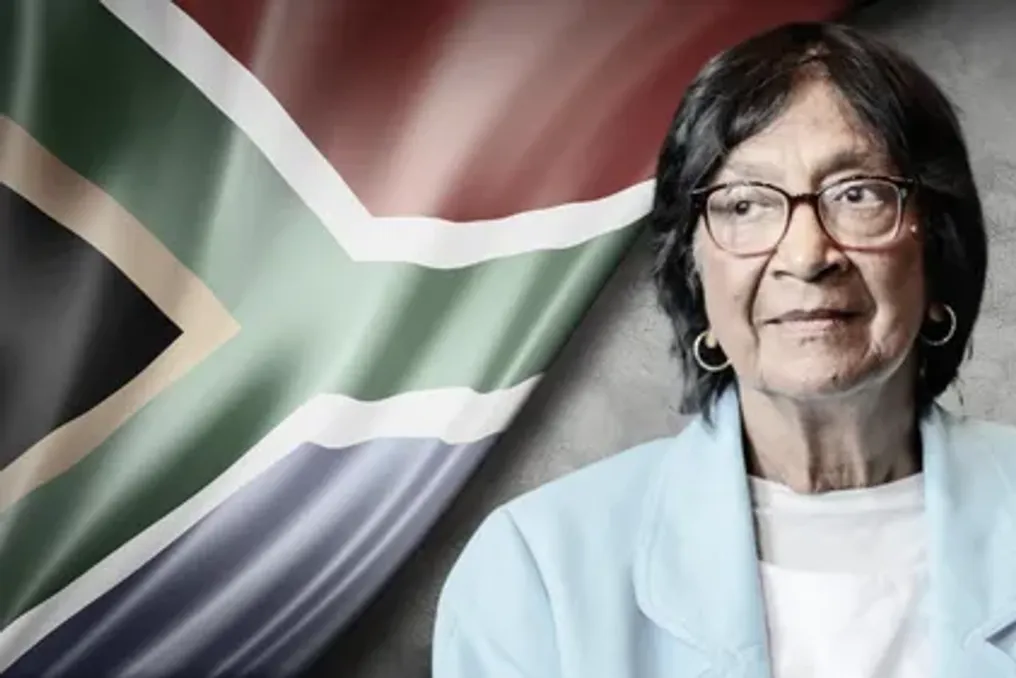
Nawi Pillay warns South Africa to rely on facts amid xenophobic violence
Read more
iol.co.za

Nawi Pillay warns South Africa to rely on facts amid xenophobic violence

Judge Nawi Pillay, a Nobel Peace Prize laureate, shared her view on human rights, noting that the injustice of apartheid remains central to her understanding. In an exclusive interview with IOL from her offices in The Hague, Netherlands, the 85-year-old lawyer stated that every six-year-old child in South Africa during apartheid experienced discrimination based on skin color.

Pillay recalls how children knew about the injustice, for example, when swings were only available to white people, and parents warned them about possible accusations. This experience left a deep mark because, despite recognizing the injustice, they had no legal recourse due to the immorality of the laws themselves.

This understanding defined her career, which spanned international courts, the United Nations, and investigations into the most serious human rights violations of modern times.

Xenophobia Undermines Constitutional Values

The interview with Pillay comes against a backdrop of xenophobic violence and protests targeting migrants in Durban and other regions of the country. Pillay condemns attacks on vulnerable people and criticizes the government for its inability to foresee this crisis.

She emphasized that, as High Commissioner for Human Rights, she has repeatedly called for South Africa to establish legal corridors for people to enter. Pillay insists that border control is necessary, as well as assistance for starving refugees fleeing violence and those seeking a better life.

In her opinion, the Constitution protects everyone on South African territory, not just citizens. Pillay believes that this violence requires thorough investigation, and she warns against the spread of rumors and disinformation that could heighten tensions. She advises: 'Get the facts right, and you will get the right policy.'

Pillay also found herself at the center of public discussion following Donald Trump's reaction to her win. His statements and negative comments from US and Israeli administrations attracted significant attention. When asked how she handles this reaction, Pillay replied that she does not use social media and relies on colleagues and staff for information about the award.

She admits that criticism was expected, especially given the obvious link between the award and the criticism of Israel's actions in Gaza. 'There should be negative reactions to this award, especially because it apparently criticizes Israel and its activities in Gaza, but fortunately, I do not see that.'

Pillay received supportive messages from colleagues and former staff, while the public debate surrounding Trump threatened to distract from the significance of the recognition. She noted that it was unfair to attribute blame to her for disputes related to President Trump's desire to receive the award. She sees this recognition as something more than just her career; it is the principles that South Africa strives to uphold on the international stage.

Her Heroes Are the Witnesses Who Give Testimony

The choice of Pillay's heroes, whose careers are linked to leading global political and legal figures, is quite telling. She speaks of ordinary people who testify to crimes, often incurring significant personal costs and having little chance of recognition or reward.

She cites many examples but prefers to speak of witnesses who show courage without receiving any compensation for it. These witnesses return to their communities after recounting the most traumatic experiences, such as in Rwandan huts.

Her testimony is particularly important in cases of sexual violence, as victims often find it difficult to speak publicly about what happened. Pillay asserts that if brave witnesses do not come forward, women will find it extremely difficult to discuss these events in conflicts, but they do so for the common goal of justice.

For Pillay, the courage of these individuals serves as a reminder that international justice depends not only on judges, prosecutors, and legal institutions but also on private individuals willing to tell the truth about what they have experienced. Their willingness to speak, despite fear and suffering, makes the pursuit of justice possible.

Clarewood's Contribution Will Never Be Forgotten

Despite international obligations, Pillay emphasizes that her home remains in Durban. She lives in South Africa and only travels to The Hague when necessary for work. She never forgot the people from Clarewood who helped her attend university, despite being poor themselves.

After obtaining her legal education, she spent a year earning enough money to return the donation, allowing the community to help another student. She now plans to consult with others on the best way to use the Nobel Prize money to help those in need.

Responsibility to Africa

Pillay recalls her work as a judge at the UN International Criminal Tribunal for Rwanda in Arusha, Tanzania. There, children saw her as a representative of South Africa and chanted 'Mandela! Bafana Bafana!'

This experience strengthened her conviction that the path to South Africa's democracy entails a responsibility that extends beyond its borders. She believes that South Africa has an obligation to help the rest of Africa, as it is in a better material position.

This appeal is particularly relevant in the current domestic political climate. Pillay notes that people look to them, expecting them to maintain moral high ground, be helpful, and kind, especially towards people from other parts of Africa.

Popular