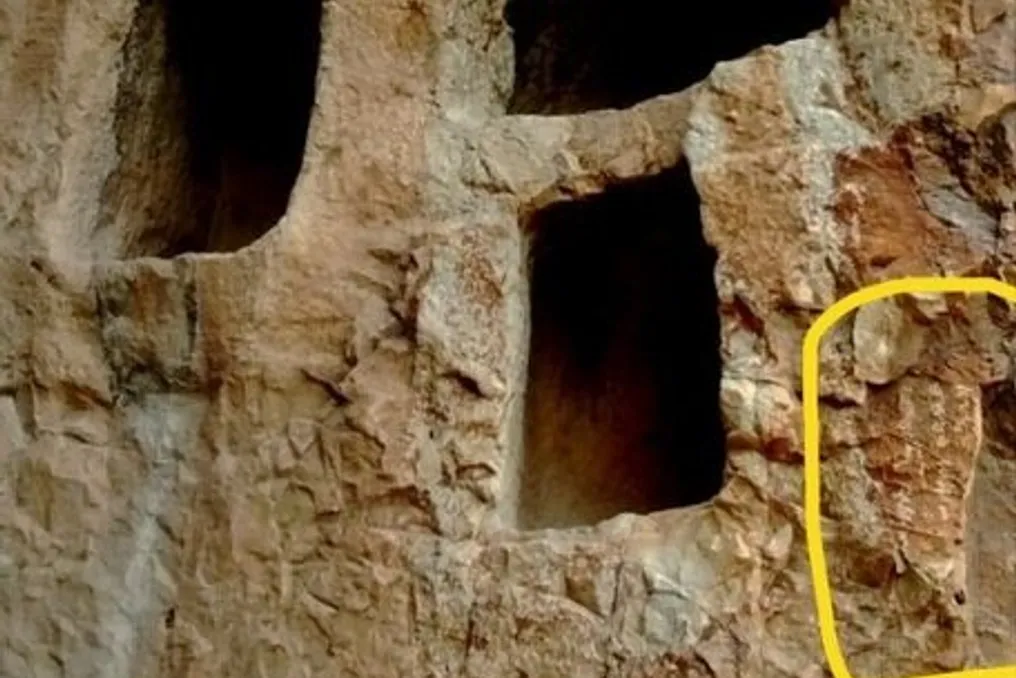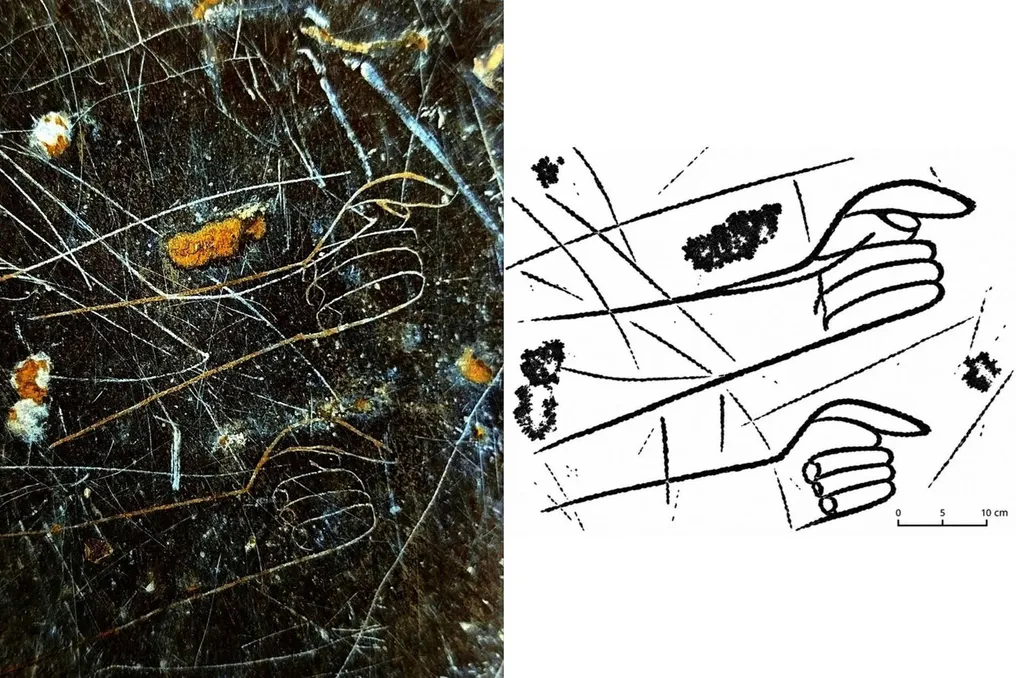
Archaeologists have discovered previously undocumented rock carvings from the Sasanian era depicting human hands without any accompanying figures on the historical plain of Marvdasht in Fars province, southern Iran.
These unusual engravings were found near an inscription in Persian (Pahlavi) from the Sasanian period. They may shed light on ancient practices of prayer, oaths, and religious rituals.
Archaeologist and historian Abolhassan Atabaki reported this finding during current archaeological surveys and documentation on the Marvdasht plain, as reported by the Ana agency on Sunday.
He specified that the newly identified images are human hands along with parts of forearms, engraved directly onto the stone surface, without any other human figures. Their artistic style and visual features indicate that they belong to the Sasanian period (224–651 AD).
Atabaki noted that while hands often appear in Sasanian rock reliefs as symbols of respect and reverence, their isolated depiction also has precedents in seals and seal impressions from that period.
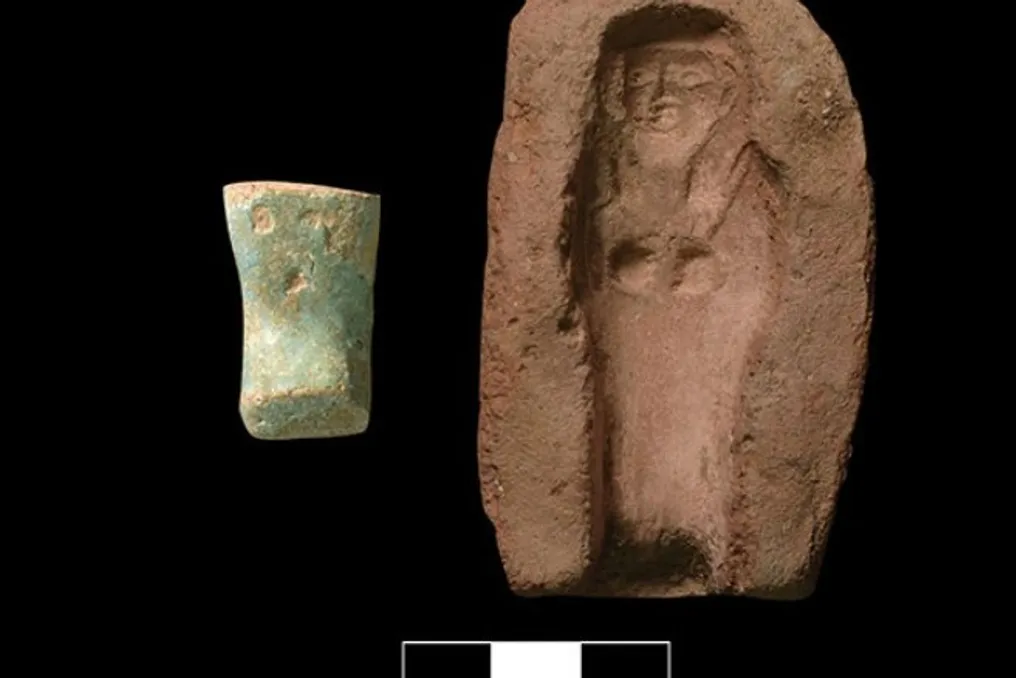
Examples held in the collections of the British Museum, Bandar Abbas, Takht-e Soleyman, Tell Abu Shaaf in Iraq, and the University of California, Berkeley, demonstrate that Sasanian artists sometimes depicted hands independently of other parts of the human body.
Studies of Sasanian art suggest that the motif of the hand was associated with concepts such as greeting, benevolence, and kindness. In some cases, researchers have also hypothesized a connection to treaties, the deity Mithra, and religious ceremonies.
One notable example is a seal impression found at Takht-e Soleyman, which depicts a hand with the Pahlavi inscription 'abestan o yazdan', meaning 'appeal to the help of the gods.'
In this regard, historian Najmeh Ebrahimi stated that the available evidence suggests that the independent depiction of hands could have served as a symbolic way of expressing prayer, oaths, treaties, and good wishes.
She explained that since the hand plays a central role in performing such actions, its separate depiction could convey the intended meaning without the need to show the entire human figure.
Ebrahimi added that the rock drawings from Marvdasht might also have had a cultic character, possibly representing prayers or appeals for divine help. This interpretation is supported by the discovery of an inscription from the Sasanian period containing a prayer next to one of the hand images.
The depiction of a forearm section ending in a straight line, combined with the characteristic arrangement of fingers, gives the recently documented drawings particular archaeological and artistic significance. Researchers believe that further study and documentation will be required to more accurately determine the meaning and function of these unusual motifs.