South African company built laboratory complex for rural school in Zimbabwe in 14 days
Read more
IOL
iol.co.za

South African company built laboratory complex for rural school in Zimbabwe in 14 days

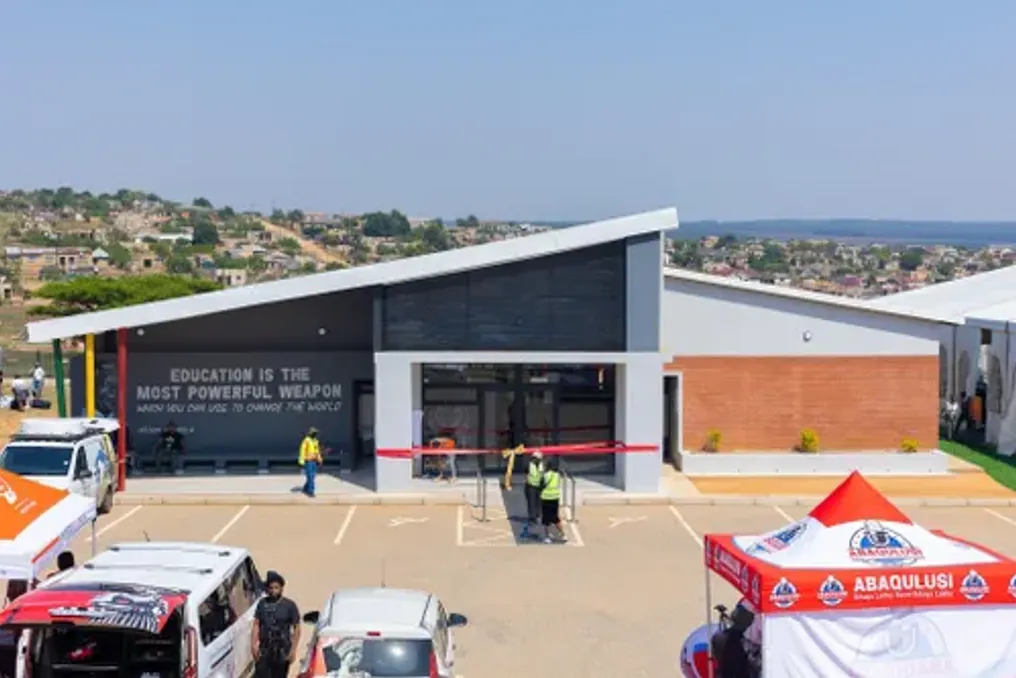
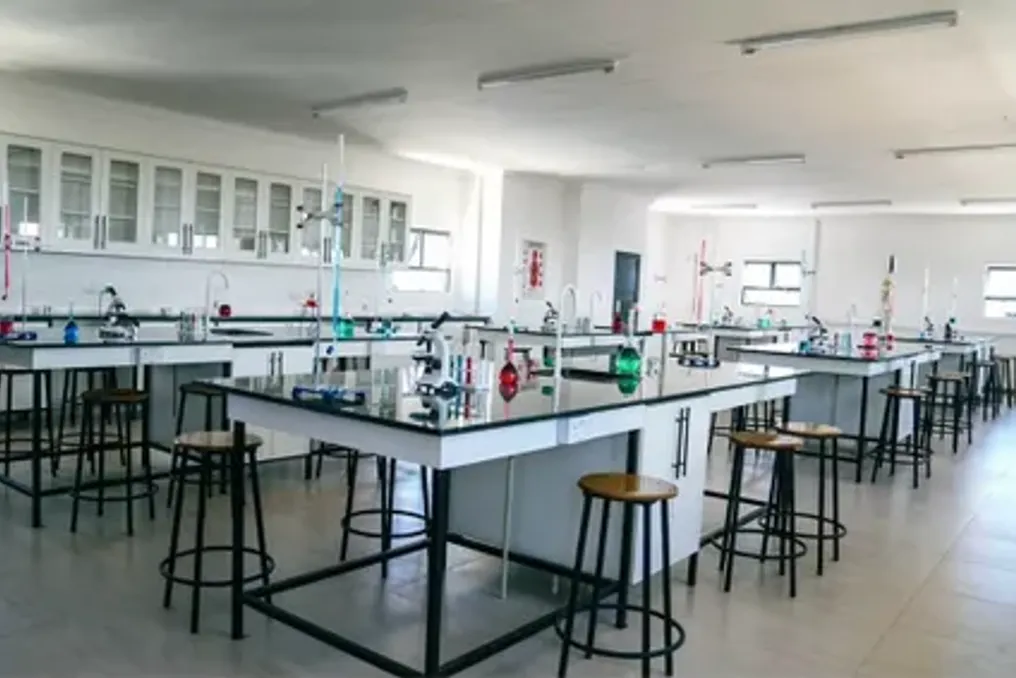
A South African company completed the construction of a fully equipped science laboratory at a rural secondary school in Zimbabwe in just two weeks. This initiative aims to improve access for hundreds of students to practical scientific education.

The facility is located at Sojini Secondary School in the village of Mbembesi, near Bulawayo. The official handover of the laboratory took place on Saturday, October 31, thanks to the efforts of businesswoman Zodwa Mkandla through her foundation.

The South African company Afribiz Invest was responsible for building the laboratory. It will provide students with access to practical scientific equipment, which is often more accessible in better-funded urban schools.

This project has the potential to expand opportunities for students interested in careers in fields such as medicine, engineering, and science.

Event and Support

The opening ceremony was attended by a senior delegation of Zimbabwean government officials, including the Minister of Primary and Secondary Education, Torerai Moyo. The event was held under the auspices of the First Lady's Office, Dr. Axillia Mnangagwa.

The project also holds personal significance for Mkandla, as she herself studied at Sojini Secondary School before returning to invest in educational opportunities for children from the local community.

Through the Zodwa Mkandla Foundation, the initiative extended beyond the construction of the laboratory: 200 food parcels, blankets, and wheelchairs were distributed among elderly residents in need. Additionally, about 400 female students received sanitary pads.

The collaboration between the foundation and Afribiz Invest demonstrates the importance of private sector involvement and philanthropic programs in supporting resource-limited communities.

Although the laboratory construction took only two weeks, its long-term value will depend on how effectively it is used to provide practical experience and strengthen science at this school.

Similar stories

Durban presented as host city for South Africa's bid for Olympic Games worth 500 billion rand
Read more
iol.co.za

Durban presented as host city for South Africa's bid for Olympic Games worth 500 billion rand

The city of Durban has been put forward as the main organizing city for an ambitious campaign to host the Olympic and Paralympic Games on African soil for the first time, either in 2036 or 2040.

The formal bid was submitted to the Olympic House in Johannesburg on Thursday. This was done by the current president of the South African Sports Confederation and Olympic Committee (SASCOC), Lwandile Simelane, and the Minister of Sport, Arts and Culture, Gethon Mackenzie, after receiving approval from the national Cabinet.

This historic project, preliminarily valued at 500 billion rand, plans to utilize the existing infrastructure of the 2010 FIFA World Cup stadiums in three major urban centers. This approach fully complies with the strict criteria of the International Olympic Committee (IOC) regarding sustainable development and economic efficiency.

South Africa joins a group of seven countries, including Qatar, India, Germany, and Turkey. SASCOC will conduct virtual presentations before the IOC Future Host Commission in November 2026. This will be followed by formal feasibility reviews concluding in March 2027, and the final vote for the host country in 2029.

Durban Robotics Champion Teen Launches Free Coding Lab for Children
Read more
iol.co.za

Durban Robotics Champion Teen Launches Free Coding Lab for Children

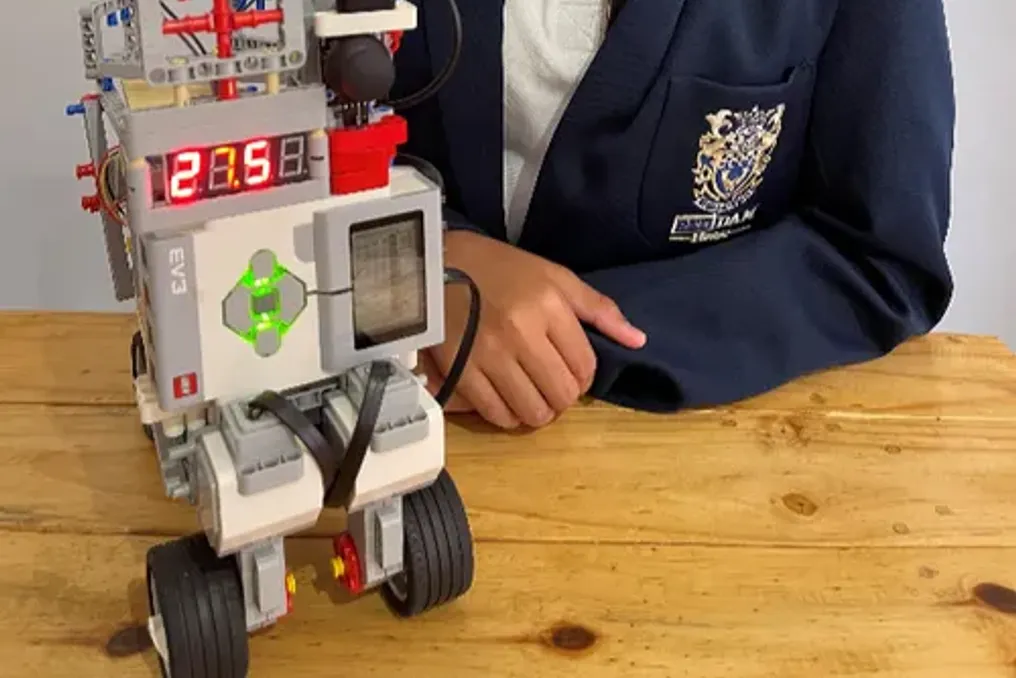
At the young age of 14, Sinead Samputh demonstrates that technology and community engagement can go hand in hand. As a 9th-grade student at Reddam House Umhlanga, Sinead has merged the fields of robotics and grassroots education, directing her award-winning technical talent toward supporting the next generation of young innovators.

Her interest in technology arose early, and she has completed over 200 hours of programming training while continuously refining her skills in robotics. Sinead founded BAYMIN LABS—a youth-led, free coding initiative designed for children aged nine to thirteen.

Working with The Seed Fund, a non-profit organization that supports families in the informal settlement of Malakka Road in Durban, she introduces children to the basics of coding. This project emerged after Sinead won first place in her age group at the global inter-school robotics competition Inspired Builds by Inspired Education Group, using a BAYMIN robot that assisted in basic medical screening.

Sinead stated: 'The solution can change a moment. The ability to solve can change a life. I truly wanted not just to solve other people's problems, but to give young people the opportunity and skills to create their own solutions.'

Building on her previous success, Sinead won in her age category at the global Inspired robotics competition with the BAYMIN AIR prototype. This prototype, inspired by influenza, uses sensors and LED indicators to monitor air quality and display environmental risk levels in places such as schools and hospitals.

After developing a six-week coding curriculum, she raised 13,650 rand from corporate donors to purchase three Samsung tablets and protective cases. Through her volunteer work at The Seed Fund's homework club, she collaborated with the organization, teaching local children the visual programming language Scratch, which is used to create animations, stories, and interactive projects.

She initially started working with nine students in the 3rd and 4th grades, many of whom had no prior knowledge of coding. She is now teaching older children, helping them gain confidence in experimentation, making mistakes, and finding their own solutions. Sinead plans to continue moving younger children into advanced classes and eventually into high school, which will be located within the same community, with The Seed Fund.

She noted that 'this will continue in higher grades, and I think they will have a greater impact because, obviously, when they get older, they will have more opportunities.'

Sinead runs BAYMIN LABS on Saturdays and hopes to expand the program to other underserved communities, ultimately creating BAYMIN Academy—a paid coding course that will help fund the free community initiative. She emphasized: 'I don't want to win if winning means leaving others behind. The greatest journey is where we rise, learn, and change the world together.'

In the future, Sinead aims to combine medicine and coding to become a neurosurgeon and biomedical engineer. Her mother, Joanna Samputh, expressed immense pride in Sinead's achievements and plans, noting that what began as a simple requirement for school community service has turned into a deep passion for teaching coding to children. Joanna Samputh said: 'It was amazing to see how she moved from the initial plan to the point where she made the decision herself.'

Shelly Perringe, head of Reddam House Umhlanga College, also expressed pride in Sinead, noting that she utilizes every opportunity to support the less fortunate and always seeks ways for her passion for robotics and coding to serve a higher purpose.

Dan Nkosi Skills Centre Opens in Paulpietersburg to Support Rural Youth
Read more
iol.co.za

Dan Nkosi Skills Centre Opens in Paulpietersburg to Support Rural Youth

On Friday, October 16, 2026, the Dan Nkosi Skills Development Centre was officially opened in Paulpietersburg, KwaZulu-Natal. This opening was regarded as a significant investment in rural communities, with government leaders urging youth to utilize the facility for acquiring practical skills and creating sustainable income sources.

The centre was built through investments of approximately 14.6 million rand provided by the Services Education and Training Authority (Services SETA), in partnership with the Department of Higher Education and Training, the provincial government, and the municipality. The project implementation process took nearly two decades.

The Minister of Higher Education and Training, Buti Manamela, noted that the project completion took about 20 years, as the initial request was made in 2009, the commitment secured in 2012, and construction finished in 2024. He emphasized that this is a major investment contributed to by Services SETA amounting to about 14.6 million rand, as well as the provincial government and the municipality.

Manamela stressed that the centre belongs to the community and must be used to expand access to skills training for both youth and adults wishing to acquire new competencies. He stated: 'Although Services SETA transfers this investment, we are transferring it to the community. This is not a Services SETA project, Mtashana; it is a project for the community and students.'

He encouraged young people to enroll in training for trades such as plumbing, electrical work, and welding, adding that communities bear the responsibility for protecting this infrastructure.

The Minister of Public Works and Administration, Nkosi Mzamo Butelezi, reported that this centre provides an opportunity to address the socio-economic challenges facing Edumbe while equipping youth with skills for self-sufficiency and assisting their families. Butelezi thanked the government for the work done for the residents of Edumbe, noting the importance of the gathering as it reflects the most pressing needs of people—skills capable of supporting a family.

He recalled the historical hardships of the region, including the impact of HIV/AIDS, and suggested that the centre could help restore hope among the youth. Butelezi stated that 'this centre will restore hope among our youth and tell them that they have talent, and the government is not hesitant to invest in their talent.'

Butelezi also strongly urged traditional leaders and councillors to recognize the long-term value of the centre, citing opportunities such as mobile phone repair available through practical training.

Speaking on behalf of the CEO of Services SETA, Lehlognololo Masogi, Dr. Bongani Ndamase reported that the centre has become a timely intervention for rural communities struggling with unemployment. He specified that the investment allowed the facility to be built from scratch, and emphasized that the government, community leaders, and other social partners share responsibility for maintaining the facility's operation.

Ndamase informed that about 30 people have already been trained in residential construction as part of a 12-month program, and another 30 in mobile phone repair. Additionally, 20 people are undergoing entrepreneurship training, which will conclude on October 30.

Manamela added that the government continues to invest in educational infrastructure, including Technical and Vocational Education and Training (TVET) colleges, universities, and community colleges. He mentioned the development of a new campus and engineering centre in Vrihidi as part of these efforts.

Furthermore, he reminded potential students that applications for National Student Financial Aid Scheme (NSFAS) will close on October 31. The opening of the Dan Nkosi centre marks an important step in expanding access to vocational training in rural areas, but its long-term success will depend on the youth's ability to receive quality education and transform new skills into employment and economic opportunities.

Popular