According to the Iranian Blood Transfusion Organization (IBTO), Iran is one of only thirty countries in the world that possesses glycerin-based cryopreservation technology, allowing for the storage of rare blood types for 10–30 years. Furthermore, Iran is the only country in its region with this capability.
Rare blood types belong to groups with extremely low prevalence in society and are divided into three categories: rare, very rare, and extremely rare. Ahmad Karabaghian, Executive Director of IBTO, explained to Mehr News Agency that a rare blood type is defined as one found in only 1 out of every 1,000 or 1 million people.
After identifying a rare blood type, IBTO collects the necessary samples and freezes them for long-term storage. Scientific publications indicate that the shelf life of rare blood is between 10 and 30 years; according to some data, blood frozen for 20 years remains usable.
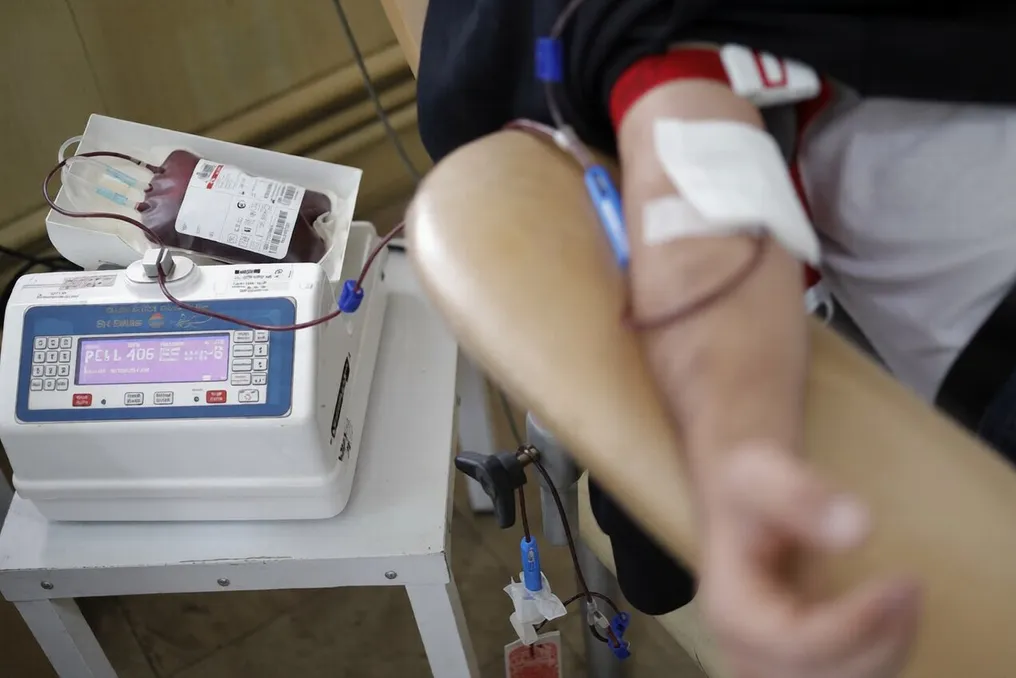
Individuals with rare blood types undergo an identification procedure, after which they are invited to donate blood. As noted by Ahmad Karabaghian, these individuals, like others, can donate blood up to four times a year if they meet the established requirements.
Mehdi Karbadizadeh, an IBTO employee, reported that the rare blood bank holds and has frozen a total of 350 units of rare blood, and approximately 1,500 people with rare blood types have been identified in the country, although not all of them are eligible to donate.
An official representative of IBTO stated that Iran is the only Islamic nation in the Eastern Mediterranean region with a rare blood program. In 1389 Iranian calendar (2010–2011), the country joined the International Rare Blood Association, which currently comprises 30 member states, according to Mehdi Karbasizadeh of IRNA.
He also specified that Iran, China, and Japan are the only members of this association in Asia implementing rare blood management programs. In Iran, one in every 5,000–10,000 people has a rare blood type. The frequency of rare blood types depends on population size and the specific blood type; among the rarest groups in the country, the Bombay blood type is mentioned.
Currently, fewer than 10 of the rarest blood types and 30 rare blood types are registered in the country. Karbasizadeh added that out of 376 solidified units of blood stored in the rare blood bank, the rarest constitute about 150 units. Currently, 262 people with truly rare blood types have been identified in the country, but not all of them can become donors.
The official representative urged people with (truly) rare blood types to donate blood at least once a year, as blood units solidified at temperatures of minus 65–85 degrees Celsius can be stored for ten years.
In 2025, Jafar Hussein, a former WHO representative in Iran, emphasized Iran's ability to serve as an example for other nations in transfusion medicine and rare blood management. Speaking at the National Rare Blood Day on January 22, he highly praised the country's unwavering commitment to ensuring equal access to healthcare, guaranteeing that no one will be left without help regardless of their blood type.
National Rare Blood Day is dedicated to celebrating saved lives, overcome difficulties, and the firm determination to give every person a chance at life, regardless of their blood type. Hussein commended the country's constant dedication to solving unique challenges related to rare blood, particularly highlighting the critical importance of cooperation, innovation, and unwavering determination in this global endeavor, as reported by the WHO in a press release on January 27.
Hussein vividly described the difficulties faced by people with rare blood types, who often find themselves in desperate need, risking their lives searching for a suitable, elusive match. He paid tribute to these unsung heroes, acknowledging their generosity and dedication to the well-being of others. 'Blood donors represent the quintessence of human solidarity, offering a lifeline to those in need without expecting anything in return,' he stated. The WHO, Hussein emphasized, believes that universal health coverage must include access to safe blood and its products. He highly praised IBTO's leadership in blood safety and transfusion services, noting their outstanding achievement of a 100 percent voluntary, unpaid blood donation system, which is evidence of universal health coverage principles in action.
In conclusion, the official representative expressed deep gratitude to IBTO for its continuous selflessness in developing transfusion services and ensuring equal access to rare blood. He thanked blood donors whose altruism serves as inspiration to all. The event concluded with a renewed commitment to innovation, partnership, and universal health coverage, leaving participants with a sense of determination to continue the fight for access to rare blood, ensuring that every drop matters, every donation counts, and every life is valued.
IBTO was established in July 1979 to organize blood transfusion activities, promote blood donation, and provide safe blood and blood products free of charge to patients suffering from diseases such as hemophilia, thalassemia, and leukemia. Iran is the only Islamic country that is a member of the International Society of Blood Transfusion (ISBT WP) rare blood donor working group. Thanks to a rich culture of selflessness, the country maintains a six-month blood reserve, ensuring readiness for crises. Blood supplies and blood products are considered strategic and vital resources for the country, and voluntary donations help meet the country's needs, especially during crises.