Dubai restaurant offers Africans a taste of home
Read more
IOL
iol.co.za

Dubai restaurant offers Africans a taste of home

In a bustling restaurant in Deira, Dubai, the sounds of conversations mix with the noise of cutlery and a football match on TV. Patrons lean across tables to chat, laughter rings out over the din, and friends exchange familiar pleasantries during dinner, meetings, or while watching a game.

Some customers order dishes from Côte d'Ivoire that remind them of their childhood, while others have traveled from different parts of Africa to enjoy this cuisine. The restaurant Guissi Plaza, known by its patrons as Chez Maestro, often becomes a place to spend time with people who understand what it is like to live far from home.

For businessman Fatiga Ibrahim, the restaurant has become a sanctuary where he can find companionship. When he wants to have dinner with his family, he comes here. He watches football, jokes, and chats with other Africans living in the United Arab Emirates.

Ibrahim notes: 'Of course, we gather together like a family, as if we were in Africa. Look at these young people here. We watch football together and laugh together. It reminds me... When I am here, it feels like I am home, like I am with family.'

For Ibrahim, the appeal of the establishment goes beyond cuisine. The restaurant allows him to meet new people and build relationships despite living outside his country.

At Chez Maestro, relationships are built around Ivorian cuisine and the restaurant owner, Aminata Kamara. Kamara has lived in Dubai for six years. She moved here with her husband, who settled in the emirate for football. As their lives developed, the couple discovered that among the Ivorian residents in their community, there were few options for enjoying their familiar food, even with restaurants serving other West African dishes.

Initially, they started cooking and delivering food on order. When orders surged, the couple saw an opportunity to open a restaurant where guests could sit down and eat. Kamara's husband suggested this idea, as he came for football and later considered catering due to the growing number of Ivorians. Although there were Malian restaurants in the city, there were no Ivorian ones. So, they started with a home business, and seeing the growth in their customer base, he decided to open a full-fledged restaurant.

African culture is not limited by national borders nor does it change when people migrate abroad. When Africans settle in other countries, they bring their food, culture, and languages with them, creating opportunities to connect with people outside their own national community.

Kamara took over the daily management of the restaurant while her husband continued playing football and participating in other events. The venue quickly became a physical place where consumers could gather, eat, and network.

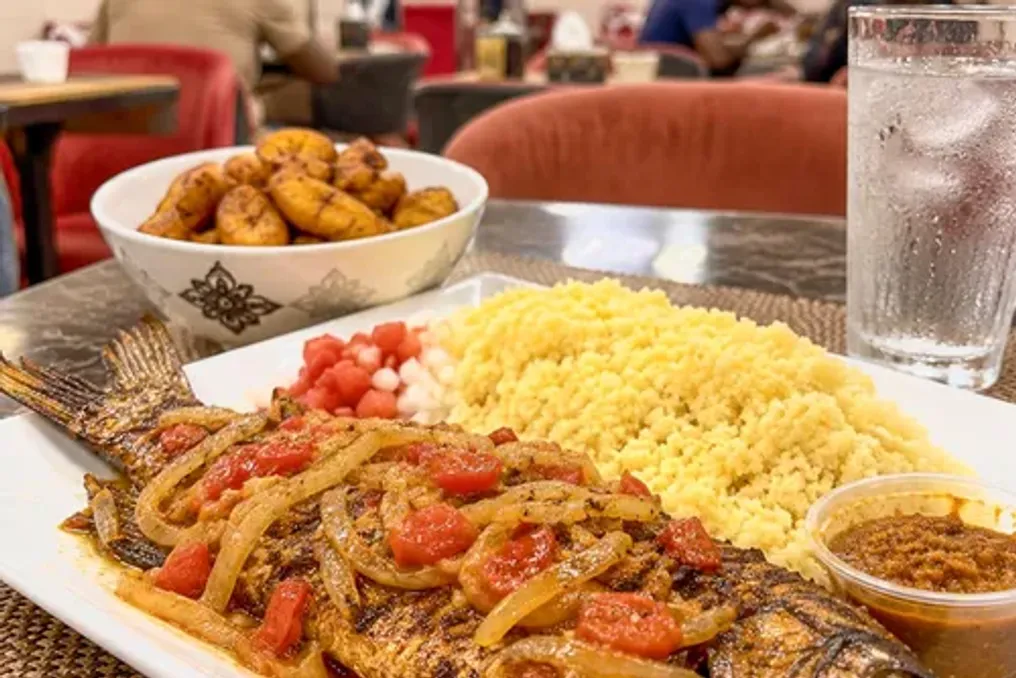
The menu is largely based on Ivorian culinary heritage. Kamara mentions dishes such as garba, placali, and foutou banane, which remind customers of home. Garba, made from attiéké and fried tuna, is particularly popular among the restaurant's broad audience.

This experience reflects a broader reality for Africans who move abroad for work and other opportunities. The African Union estimates that 4.7 million African migrants resided in the Gulf Cooperation Council countries by 2024. Their experiences vary, but for many, maintaining a connection to home involves discovering familiar food, languages, and communities in a new environment.

Kamara found that consumers from neighboring countries, such as Guinea and Mali, love her cooking. People arrive with different culinary traditions, but the same dish can bring them all to the same table.

She notes: 'The dish that most evokes memories of home is especially garba, placali, and foutou banane. But surprisingly, I can say that people from all these countries, whether from Guinea or Mali, seem to love garba even more than us.'

The popularity of these dishes has allowed Ivorian cuisine to spread beyond its original population. Customers can choose dishes from their traditions while learning about the traditions of their neighbors. The restaurant becomes a hub of cultural exchange through everyday decisions, such as ordering, shared consumption, and what to reorder.

Chef Adelaïde Tagbo uses her work to stay connected to her cultural roots. Cooking familiar food in Dubai allows her to continue utilizing talents rooted in her own culinary traditions.

She believes: 'Cooking African food in Dubai, yes, I can say it is a way for us to preserve our culture because, first of all, we are from Côte d'Ivoire, we are abroad. So we are really trying to use our skills abroad. In that sense, it is preserving our culture.'

Her perspective adds a new dimension to the establishment. While customers find comfort in the food, those who prepare it continue a tradition that links their life abroad with their home countries. Cuisine is part of their working life, but it also brings traditions into a new context.

Kamara reports that the restaurant's clientele hails from various African nations, including Burkina Faso, Mali, Ethiopia, Madagascar, Comoros, as well as Côte d'Ivoire. Some interactions that occurred there extended beyond the restaurant, as customers and staff became friends who became part of their daily lives in Dubai.

She emphasizes: 'Of course, this place has become a meeting point for the African community. Many people gather here. I think you have seen it yourselves: it is not just Ivorians. There are Burkinabés, Malians, even Ethiopians, Malagasy, Comorians, and everyone gathers here. We ourselves have met people who became like family. Everyone gathers together; it's like we've come home, right?'

The African Union views the diaspora as an integral part of the continent, encompassing people of African descent living outside Africa. However, casual interaction and long-term relationships shape a sense of belonging abroad. At Chez Maestro, these bonds are formed over shared meals, football matches, and conversations between people whose paths might otherwise never have crossed.

The restaurant does not replicate life in Côte d'Ivoire nor does it erase differences between visitors. Instead, it provides a space where people can integrate aspects of their home lives into the communities they create in Dubai. At Chez Maestro, a dish from Ivorian cuisine can spark a discussion, friendship, or an evening spent watching football. Thousands of kilometers from the continent, the restaurant gives visitors the chance to share familiar tastes while forging new connections with each other.

}, {
Similar stories

Dubai Highlights Contribution of African Talents to Shaping the City's Image Through 'Beat of My Dubai' Project
Read more
iol.co.za

Dubai Highlights Contribution of African Talents to Shaping the City's Image Through 'Beat of My Dubai' Project

The Dubai Department of Economy and Tourism (DET) has launched a new project titled 'Beat of My Dubai.' This project is dedicated to recognizing African talents, creative potential, and entrepreneurial spirit that are integral to Dubai and reflect the city's deepening ties with various African markets.

The project brings together individuals from Kenya, South Africa, and Zimbabwe, offering a direct glimpse into the people behind the city's energy. It showcases their daily lives, professional activities, and personal connection to Dubai.

Through a series of short films, portraits, and city shots, 'Beat of My Dubai' explores what this city means to those who have chosen to make it their home, build a career here, or frequently return to it.

Africa remains an important component of Dubai's diverse international community of visitors and residents. In 2025, the city welcomed 897,000 visitors from the continent, accounting for 5% of Dubai's total international overnight visitors of 19.59 million. This marks the third consecutive year of record figures for the region.

'Beat of My Dubai,' which will be published on DET's social media channels with joint features of the relevant individuals, continues this momentum by highlighting the people whose daily lives connect Africa and Dubai.

Khalaf Al Ali, Assistant Manager of International Operations at Visit Dubai, part of DET, noted that Dubai's success has always depended on its ability to unite people, ideas, and cultures. He emphasized that African communities and visitors play a vital role in this story, contributing to the development of the city's economy, creativity, and energy alongside residents from all over the world.

Al Ali added: 'Through 'Beat of My Dubai,' we are proud to celebrate African talent that has chosen to live, work, create, and thrive here, while also welcoming visitors from across the continent so they can experience the city themselves. Dubai is a city that embraces diverse cultures and perspectives, and we hope to continue strengthening our ties with African markets.'

The project features six African personalities representing different sectors of Dubai's economy: culinary arts, hospitality, media, culture and events, and architecture. Their stories illustrate how the city provides a platform for people of diverse backgrounds to realize their aspirations, conduct business, create experiences, and contribute to the city's further development.

The project includes: Ru, Willem Hating, a concierge at Mandarin Oriental Downtown Dubai; Chef Kelvin Kelly, founder of OneLife Kitchen & Cafe; Sean Killa, a renowned architect and founder of Killa Design; Ivonne Mtengu, a media entrepreneur; Ashley Jane Rosenberg, a restaurant manager at Moonrise; and Elizabeth Vambui, an event organizer at the Museum of the Future.

Joining the project is renowned South African photographer Sipive Mlambo, who began his career as a teenager in Soweto, Johannesburg, before working with leading South African publications such as Sowetan, City Press, and True Love. With his experience in portrait, fashion, documentary, and cultural photography, Mlambo brings a distinctly African visual perspective to the project, capturing the individuals and Dubai that they call home. His photographs create a visual dialogue between people, their African roots, and the city they now consider home.

Kelvin Kelly, born in South Africa, moved to Dubai in 2015 and has become part of the city's evolving culinary landscape over the last decade. His approach to food focuses on quality ingredients, honest cooking, and dishes made from scratch, reflecting Dubai's increasingly diverse and sophisticated gastronomic culture.

As Chef Kelvin stated: 'Dubai gave me space to grow, to experiment, and to create something truly my own. The best part is that I can bring a little bit of where I come from into a city that belongs to everyone.'

Ashley Jane Rosenberg, the restaurant manager at Moonrise, brings leadership, energy, and South African warmth to Dubai's dynamic hospitality industry. Working at the heart of the restaurant with chefs and the team, Ashley embodies the fast-paced, multicultural vibe of Dubai's dining scene.

Rosenberg shared: 'Dubai has incredible energy, where every day feels like part of something bigger. I bring my South African spirit and determination to work every day. Here at Moonrise, I can share that energy with the team and with people from all over the world. That is the rhythm of my Dubai.'

For Ivonne Mtengu, born in Zimbabwe, Dubai has become both a home and a platform connecting Africa with the rest of the world. She is an award-winning PR strategist, brand storyteller, and media entrepreneur with over 18 years of experience. She is the founder and editor-in-chief of Travel Essence magazine, published in Dubai, which connects the audience in the UAE and GCC countries with travel, tourism, and hospitality opportunities across Africa and the UAE. She also runs a consulting company in Dubai and oversees African travel experiences through Travel Essence Getaways.

Having lived in the UAE for over ten years, Mtengu describes Dubai as a city that has opened up opportunities for her both personally and professionally. She stated: 'Dubai taught me that you don't have to leave yourself behind to find your place somewhere new. I carry Zimbabwe with me, I carry Africa, and I bring all of that into everything I do in this city.'

Kenyan Elizabeth Vambui, an event organizer at the Museum of the Future, represents another dimension of Dubai's international creative community. Her work at one of the city's most recognizable cultural and innovative hubs reflects the opportunities Dubai creates for international specialists involved in shaping experiences that connect audiences with the future. She said: 'For me, Dubai is opportunity. Every day brings a new experience, a new person, and a new chance to create something meaningful. That is what sustains my rhythm.'

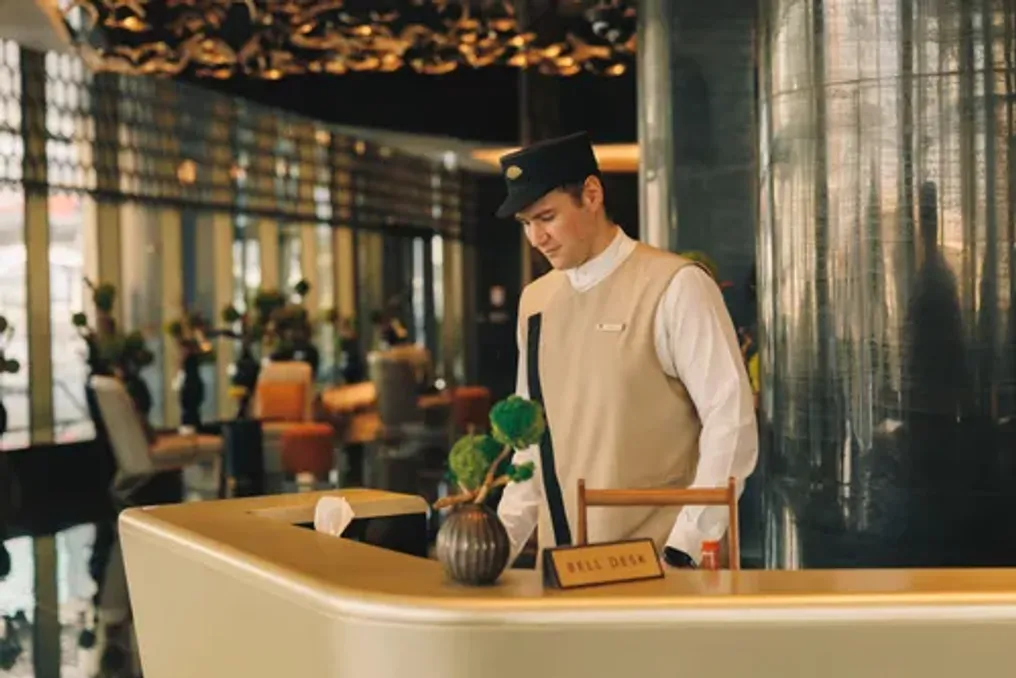
South African Ru, Willem Hating, a concierge at Mandarin Oriental Downtown Dubai, introduces the public to the world of impeccable hospitality, where human connection is often the most memorable element of the visitor experience. He noted: 'Hospitality is about making people feel wanted, and Dubai gives you the chance to meet the whole world every day. I particularly enjoy hosting regular guests and building long-term relationships, and Dubai allows me to do just that.'

South African architect Sean Killa, Director of Design and founder of Killa Design, has played a significant role in shaping Dubai's architectural landscape. Killa first arrived in Dubai from South Africa in 1998 and has contributed to the city's evolution for nearly three decades. His portfolio includes some of Dubai's most recognizable landmarks, such as the Museum of the Future, Dubai Opera, Address Beach Resort, and Jumeirah Marsa Al Arab.

Killa Design was founded in Dubai in 2015 and continues to focus on innovative, sustainable, and expressive architecture. Its connection to Dubai is particularly relevant to 'Beat of My Dubai,' as its work has helped create some of the places and experiences that many visitors and residents encounter daily. He stated: 'Dubai has always been a city ready to challenge the possible. Coming from South Africa, I found this energy incredibly inspiring. It gave me the freedom to think big, to experiment, and ultimately, to help shape a city that constantly reinvents itself.'

By telling the stories of six African professionals and creatives, 'Beat of My Dubai' invites the audience to view the city through a more personal lens: not only through its iconic skyline and landmarks, but also through the people who wake up, work, and create in Dubai, welcoming visitors and continuing to shape its future.

From the rhythm of a bustling kitchen to the precise work of an architectural studio, from warm hospitality to the energy of a cultural event—each story has its own tempo. Together, they create the rhythm of a globalized city and the partnership between Dubai and Africa, which continues to strengthen.

Popular