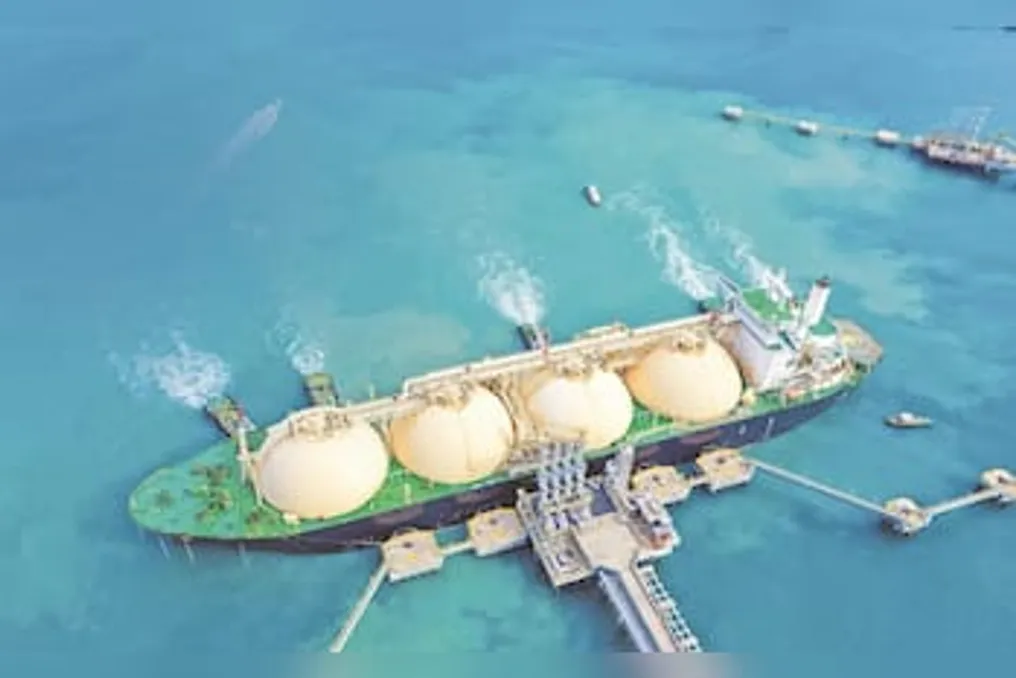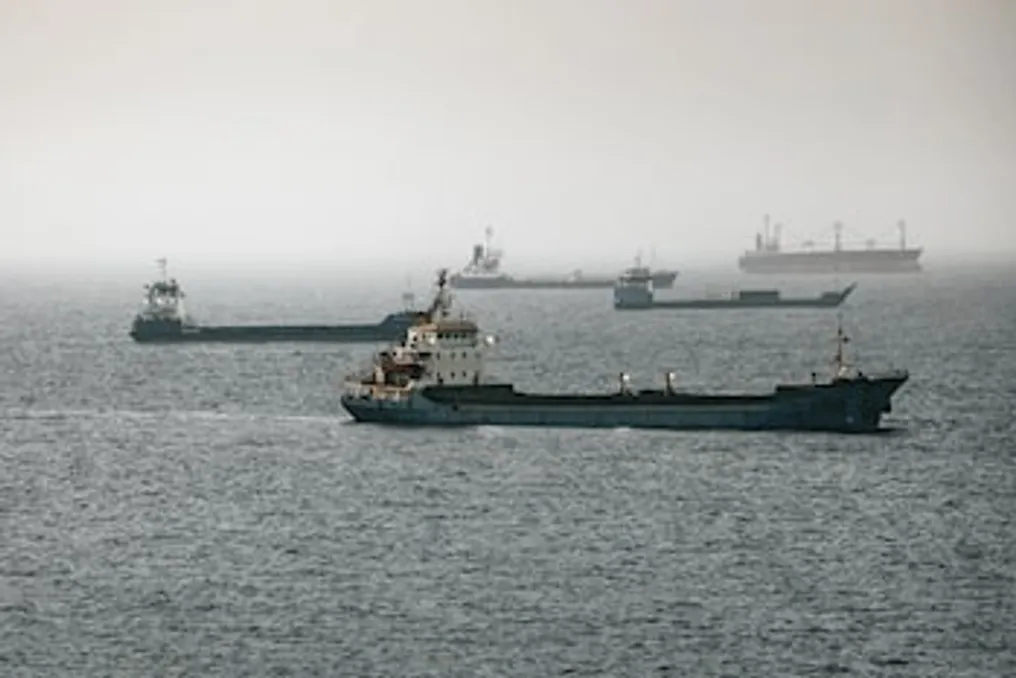
India's oil import growth reflects high refinery utilization and Russia's procurement flexibility
Read more
Business Standard
business-standard.com

India's oil import growth reflects high refinery utilization and Russia's procurement flexibility

According to data from the analytical company Kpler, India's crude oil imports reached a record level of about 5.6 million barrels per day in October. Refineries increased purchases from both West Asia and Russia, despite ongoing geopolitical tensions.

According to Kpler's lead analyst Nihil Dubey, supplies from West Asia amounted to approximately 2.3 million barrels per day, while flows of Russian crude oil remained stable at around 2 million barrels per day. More active ship-to-ship transfers facilitated the movement of a larger volume of raw materials through the Strait of Hormuz, supporting the recovery of Gulf supplies in September and October, which gave Indian refiners greater freedom in choosing sources.

Dubey noted that Russian supplies might slow down in November and December due to Black Sea attacks, which are increasing freight rates, making such barrels less cost-competitive considering delivery. At the same time, suppliers from the Gulf are offering competitive prices with delivery, aiming to regain their market share in India.

Nevertheless, any resumption of disruptions in the Strait of Hormuz flows could prompt Indian refiners to return to Russian crude oil, even if transport costs rise. He also added that the lifting of G7 sanctions on October 16 could reduce some Indian buyers' concerns regarding risks associated with purchasing Russian oil, giving refiners more sourcing options.

India imports almost 90 percent of its crude oil needs, so the availability and cost of alternative supplies are critical for the refinery sector's economy. Thus, the choice between Russian and West Asian barrels will likely be determined by commercial considerations and supply security, rather than solely geopolitics.

Russia's invasion of Ukraine in February 2022 disrupted global oil flows, leading to sanctions by Western countries, an EU ban on maritime transport of Russian crude oil, and the imposition of the G7 price cap. As European buyers abandoned Russian oil, Moscow offered significant discounts to attract alternative markets, and India became a major buyer, sharply increasing imports from negligible levels to 40-50 percent of its crude basket at peak moments.

Indian refiners were attracted by the price advantage: in late 2022 and early 2023, Russian Urals sometimes traded about $30 below Brent per barrel. This shift turned Russia into one of India's largest crude oil suppliers, as refiners prioritized lower landed costs and supply security over Western pressure to curb purchases.

However, discounts have almost disappeared, but disruptions in Middle Eastern supplies have forced Indian refiners to stick with Russian barrels. Dubey reiterated: 'Russian flows, which were maintained at these levels, may weaken in November-December as Black Sea attacks increase freight rates, making Russian barrels less attractive in terms of delivered cost.' He also noted: 'Meanwhile, the recovery of flows in Hormuz in September-October provided Indian refiners with more supply options, as Gulf suppliers offer competitive prices with delivery to regain market share. However, the situation remains volatile, and any resumption of disruptions in Hormuz flows could lead refiners back to Russian barrels, even with higher freight costs.'
Similar stories

Trade flows in Iran continue despite temporary border closures and rising logistics costs
Read more
www.tehrantimes.com

Trade flows in Iran continue despite temporary border closures and rising logistics costs

Despite restrictions on transport routes, goods continue to arrive in Iran. When problems arise in certain directions, cargo is rerouted through alternative corridors, a trade official reported.

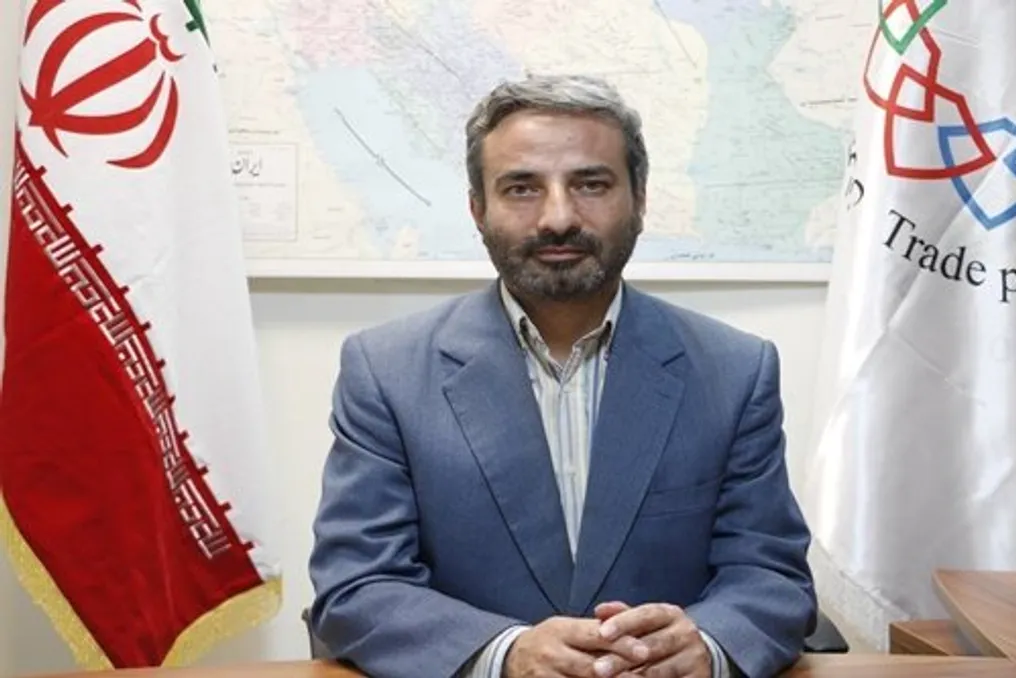
Seyed Ali Emami, Director General of the Trade Logistics and Support Department at the Iranian Trade Promotion Organization (TPO), noted that maritime restrictions forced a shift in focus to other modes of transport, but they did not halt sea shipments to the country.

The level of restrictions varies depending on the type of cargo and the condition of the vessel; Emami clarified that some ships are subject to stricter control than others.

Importers are increasingly using multimodal transportation and making changes to shipping documentation, including the practice of 'bill of lading switching'. Furthermore, some goods enter Iran on smaller vessels or via rail and road networks.

Emami added that restrictions may temporarily affect land crossings with Pakistan, Iraq, Turkey, Azerbaijan, and Turkmenistan. He emphasized that the psychological impact of border closure announcements sometimes exceeds their actual consequences.

He explained that a border might close for two days, after which operations gradually resume. Such announcements can cause serious anxiety even if cargo movement resumes after a brief interruption.

Despite the imposed restrictions, goods continue to reach Iran via various routes. When one checkpoint becomes unavailable, supplies are redirected through other crossings, although such detours can increase transport distances and costs.

The main drawback is the increase in logistics costs. Emami noted that additional expenses depend on the type of goods, country of origin, and mode of transport.

Restrictions have affected road, rail, and sea transport, but they have not led to a complete halt of the country's commercial logistics. Supplies are moving, albeit potentially taking longer and costing more than before. Regarding truck delays at borders, Emami reported that such delays occurred even before the current military conditions, although the situation may exacerbate existing difficulties.

Freight transport by trains between China and Europe via the Eastern Corridor reaches record levels
Read more
cgtn.com

Freight transport by trains between China and Europe via the Eastern Corridor reaches record levels

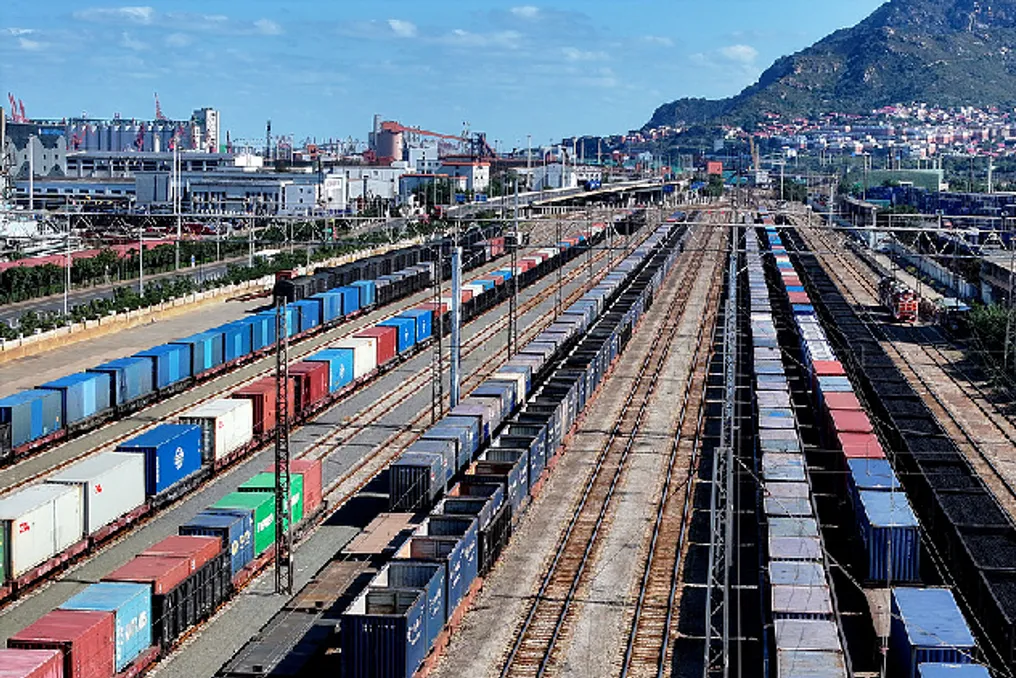
The number of freight train journeys between China and Europe via the Eastern Corridor has reached a record high this year, while the assortment of transported goods is increasingly shifting towards more expensive and technologically complex products.

By Friday, the corridor had processed 6,024 trips this year, which is 40.3% more than last year. This marked the first time that annual traffic through the corridor exceeded the 6,000 trip mark.

This corridor includes three main railway ports: in Manchzhouli, Suifenhe, and Tunzian. It connects over 60 Chinese cities with 14 European countries.

According to the Shijiazhuang Customs, in the first quarter of this year, the International Land Port of Shijiazhuang in Hebei Province, northern China, served 1,023 China-Europe freight trains and handled 103,000 twenty-foot equivalent units (TEUs) for import and export. These figures increased by 27.4% and 26% respectively compared to the same period last year, reaching record highs for that period.

As a major hub for China-Europe freight trains in northern China, the Shijiazhuang port now manages 27 regular routes connecting over 50 Asian and European countries and regions.

The composition of cargo at the port has also changed: it has shifted from daily consumer goods and textile materials to higher value-added products, including electronics, photovoltaic products, and high-end equipment, reflecting the growing significance of technologically intensive and costly goods in Chinese exports.

Meanwhile, Shanghai's foreign trade also reached a record level during the first three quarters. According to Shanghai Customs, the city's ports handled goods worth 10.35 trillion yuan (US$1.5 trillion) during this period, which is 23.7% more than last year. This amount accounted for 25.9% of China's total foreign trade, keeping Shanghai's ports in the number one position in the country.

India's oil imports from West Asia reached pre-war levels, while Russian crude oil imports declined
Read more
business-standard.com

India's oil imports from West Asia reached pre-war levels, while Russian crude oil imports declined

According to vessel tracking data, India's crude oil imports from West Asia increased in September, returning to pre-war figures, while purchases of Russian oil decreased amid increased competition from China.

Indian refineries were acquiring spot cargoes as Middle Eastern producers and traders ramped up supplies through the Strait of Hormuz, which helped ease the supply deficit caused by the war with Iran.

Initially, as the world's third-largest oil importer, India was increasing its imports of Russian crude oil to compensate for reduced supplies from the Middle East at the beginning of the conflict.

Import Dynamics

In September, India's crude oil imports from the Middle East jumped to approximately 2.8 million barrels per day, the highest figure since February, compared to 32 percent in August, according to the data provided. Oil from the Persian Gulf accounted for about 54 percent of the total import volume.

Conversely, in September, Russian oil imports fell by approximately 14 percent compared to the previous month, reaching 1.8 million barrels per day. The share of Russian oil in India's purchases decreased from 46.6 percent to 33.5 percent.

Forecasts for Russian Purchases

According to a source in the Indian refining industry, purchases of Russian oil by Indian refiners are likely to remain moderate in the coming months. This is because the cost of Russian oil is now comparable to the prices of some Middle Eastern grades, particularly Iraqi oil.

The source noted that premiums on Russian oil have fallen to $1–2 per barrel relative to Brent, compared to more than $10 in recent months after markets received supplies from the Middle East. Refiners prefer to maximize purchases of discounted oil from the Middle East because the transit time is shorter, and some producers have lowered selling prices to offset rising freight costs. This source stated: 'We will buy from whoever offers us the best prices.'

Overall, India's imports grew by 20 percent in September compared to the previous month, reaching approximately 5.33 million barrels per day. Russia remains the largest oil supplier to India, followed by the United Arab Emirates and Iraq. Furthermore, South Asia's imports of Iraqi oil increased by approximately 830,000 barrels per day last month from 171,000 barrels per day in August.

Popular