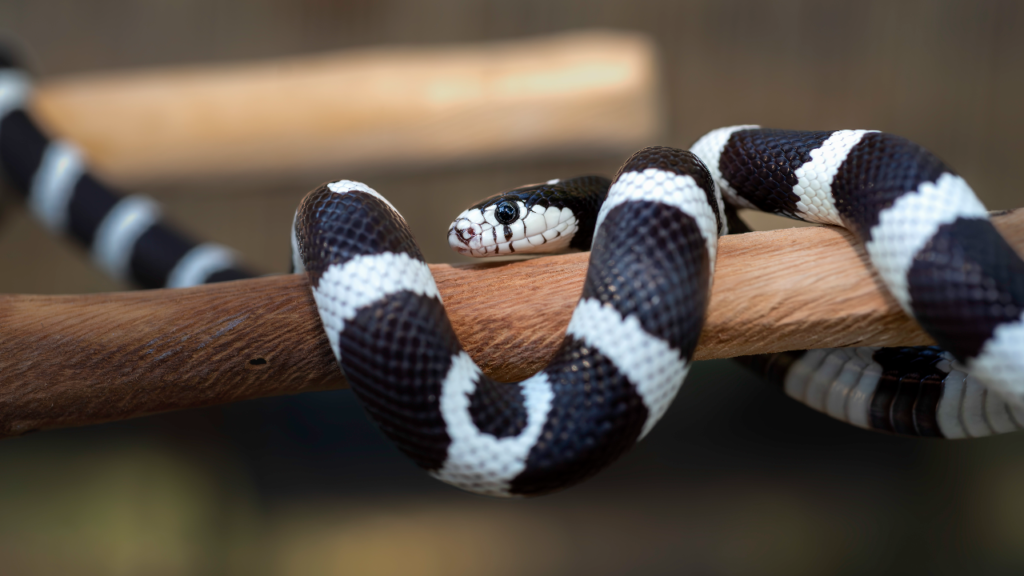
CapeNature has announced the phased cessation of trade for California snakes (Lampropeltis californiae) in the Western Cape region. This transition period began on April 1, 2026, and is based on a comprehensive risk assessment that classified the species as posing a high risk of ecological invasion.
The assessment, conducted using the Bomford (2008) rapid risk analysis model, identified a potential danger that California snakes could pose to local wildlife, especially considering their ability to compete with indigenous species if they escape or are released into the wild.
Although these snakes have long been present in South African reptile keeping culture since the 1980s, the threat they pose necessitated decisive action from CapeNature. The organization acknowledges the need to balance the interests of current enthusiasts with the imperative of protecting the region's natural heritage.
CapeNature Executive Director, Mbulelo Jacobs, emphasized the reason for the phased introduction of restrictions: 'Preventing the establishment of potentially invasive species is far more effective than trying to mitigate their consequences after they have spread. We understand that many permit holders have responsibly kept these animals for many years. This approach allows them to continue doing so while we gradually reduce the risk to the biodiversity of the Western Cape.'
The framework governing this transition is based on Section 16(1)(e) of the Nature Conservation Ordinance (Ordinance 19 of 1974) and the Environmental Management: Biodiversity Act (Act 10 of 2004). During the transition period, the trade of California snakes is limited only to individuals holding valid permits.
New permits for captive keeping, import, or transport will not be issued, ensuring no new additions to the captive population during this critical time. Current permit holders are advised to ensure the safety of their animals and prevent any unauthorized releases into the environment. If a California snake is found outside captivity, CapeNature urges the public to report sightings immediately to mitigate any potential ecological impact.
Furthermore, although new permits will not be available during the transition, CapeNature will consider export permits under regulated conditions, provided the receiving province has the necessary import permit and has been notified of CapeNature's position on the matter. Upon completion of the transition period, all trade of California snakes will cease without exception for import, transport, or new captive permits. Exports will also be strictly regulated in line with broader conservation goals.
These measures aim to methodically reduce the presence of California snakes throughout the Western Cape without relocating animals already legally held by permit holders. CapeNature has also confirmed that the established structure can serve as a precedent for assessing risks associated with other potentially invasive species, ensuring a consistent approach to protecting South Africa's rich biodiversity. Permit holders are encouraged to contact CapeNature for any clarification regarding how these new conditions may affect their animals, planned activities, or any transactions they wish to conduct.