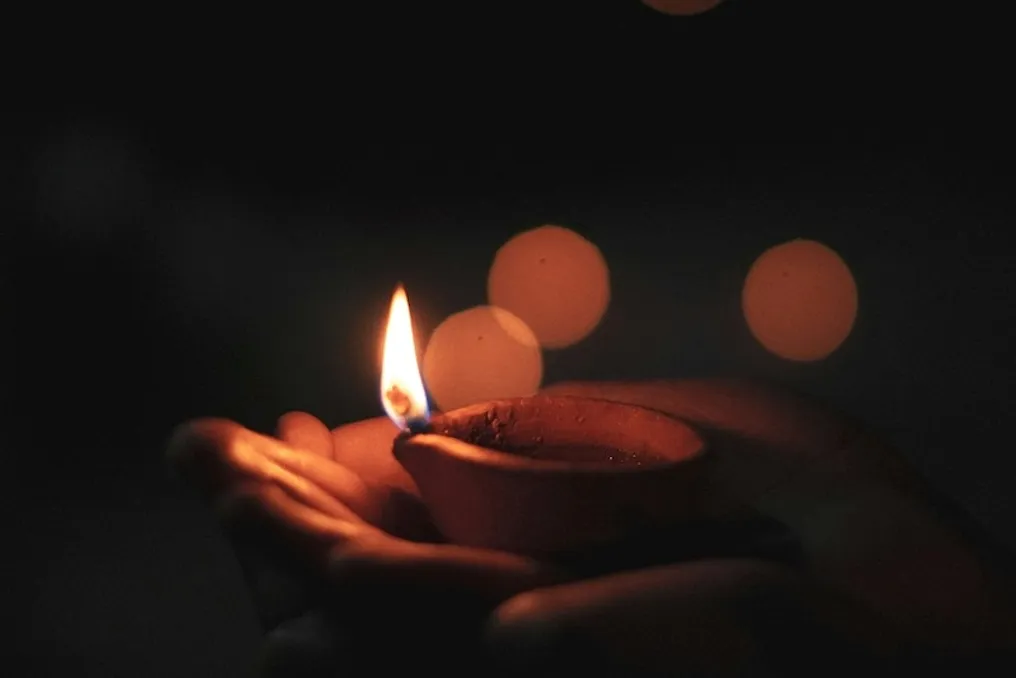
Time for the appearance of stars on Ahoi Ashtami 2026 in major cities, including Delhi and Uttar Pradesh
Read more
Aaj Tak
www.aajtak.in

Time for the appearance of stars on Ahoi Ashtami 2026 in major cities, including Delhi and Uttar Pradesh

For women observing the Ahoi Ashtami 2026 fast, the evening period holds special significance. After a full day dedicated to prayers for the well-being and longevity of children, mothers worship Ahoi Mata and await the appearance of stars in the sky. According to religious beliefs, the fast is only completed after offering (Arghya) to the stars. Since the sunset time and star visibility vary across different localities, it is important to know when the stars will become visible in major cities such as Delhi, Noida, Lucknow, and others to correctly conclude the fast.

The Ahoi Ashtami fast this year falls on Sunday, November 1, 2026. Traditionally, the fast is broken by observing the stars in the evening. The approximate time for star observation depending on the city is as follows:

  • Delhi: 18:00
  • Noida: 18:01
  • Ghaziabad: 18:00
  • Lucknow: 17:48
  • Calcutta: 17:22
  • Jaipur: 18:08
  • Chandigarh: 18:00
  • Bhopal: 18:05
  • Mathura: 18:00
  • Vrindavan: 18:00
  • Agra: 17:59
  • Varanasi: 17:41
  • Chennai: 18:04

It should be noted that the specified timeframes are approximate, and the actual visibility of stars may vary due to weather conditions, cloud cover, and local circumstances.

According to Panchang data, the Ashtami date begins on November 1 at 14:51 and ends on November 2 at 13:10. In Delhi, the auspicious time for performing the ritual is from 17:36 to 18:54. In Delhi, the stars are expected to appear around 18:00, and the moonrise is expected around 23:40.

After observing the stars, the fast is traditionally concluded. For this, women perform an evening ritual worshipping Ahoi Mata. The process of breaking the fast includes the following steps: first, taking a bath and wearing clean clothes in preparation for Puja; then lighting a lamp before the image or picture of Ahoi Mata; next, offering roli, akshat, flowers, and sweets to Ahoi Mata; during the worship, listening to or reading a story about the Ahoi Ashtami fast; when the stars appear in the sky, Arghya is offered to them using water from a pot; after this, prayers are offered for a long, healthy, and happy future for their children; finally, after offering food to Ahoi Mata, the fast is declared complete.

In some regions, there is a tradition of concluding the fast by observing the Moon rather than the stars. However, in most parts of North India, the fast is concluded after offering to the stars. In Delhi, the moon is predicted to rise around 23:40, which may require women following this tradition to wait until late at night. It is important to conclude the fast according to family customs.

In Hinduism, the Ahoi Ashtami fast is observed with the intention of wishing children a long life, good health, and a happy life. On this day, mothers observe a fast without water from morning till evening, after which they worship Ahoi Mata and listen to relevant stories. There is a religious belief that sincere observance of the fast and worship of Ahoi Mata guarantees blessings upon offspring.


Similar stories

Sharad Purnima 2026 Date and Time: Rules for Preparing and Storing Kheer Under Moonlight
Read more
www.aajtak.in

Sharad Purnima 2026 Date and Time: Rules for Preparing and Storing Kheer Under Moonlight

The night of Sharad Purnima is considered very significant in Hinduism. According to beliefs, during the full moon of the Ashwin month, the Moon achieves perfection in its sixteen phases, and its moonlight is perceived as nectar. This is why there is a tradition of preparing kheer (a sweet dish made from milk and rice) and leaving it under the light of the Moon. Furthermore, Goddess Lakshmi is especially revered on this day, and nocturnal vigils are held.

In 2026, the festival of Sharad Purnima is celebrated on October 25th on a Sunday. Consequently, people have questions regarding the Bhadra and Panchak periods. Therefore, before conducting rituals, observing the Moon, and placing kheer, it is crucial to know the exact date, time of moonrise, as well as the hours of Bhadra and Panchak.

According to the Hindu Panchang, Sharad Purnima is celebrated on the full moon of the Shukla Paksha of the Ashwin month. Since the full moon date lasts two days this year, there are differences in the dates for performing worship and taking ablutions and offerings. Considering the tradition of worshipping the Moon and leaving kheer at night, the festival itself falls on October 25th.

  • Start of the full moon date: October 25, 2026, 11:55 AM
  • End of the full moon date: October 26, 2026, 9:41 AM
  • Sharad Purnima: Sunday, October 25, 2026
  • Ablution and offering during the full moon: Monday, October 26, 2026
  • Approximate moonrise time: around 5:40 PM

Please note that the moonrise time may vary depending on the city.

The tradition of preparing kheer and placing it under the moonlight has been linked to religious beliefs for centuries. It is believed that when kheer is placed under the rays of the Moon on this night, it acquires properties comparable to nectar. Afterward, it is offered to the gods and then accepted as prasad.

This year, the Nishita Kaal period is particularly important for placing kheer during Sharad Purnima. The auspicious time for placing kheer is set from 11:40 PM to 12:31 AM. This interval covers the night from October 25th until midnight on October 26th. This time is determined based on Nishita Muhurta. It should be noted that discrepancies may exist regarding the time for placing kheer in different Panchangs and local traditions, so it is recommended to verify the time according to the local Panchang.

This year, the Bhadra period will also be active on the day of Sharad Purnima. According to the Panchang, Bhadra will occur on October 25th, starting at 11:55 AM and lasting until 10:52 PM. In religious views, some auspicious activities are advised against during Bhadra. Nevertheless, the rules differ for each religious rite, so it is necessary to observe the established auspicious moments for worship and placing kheer. It is important to note that the start of the specified Nishita Muhurta period occurs after the end of the Bhadra period.

On the day of Sharad Purnima, October 25th, the Panchak will also be in effect. According to available information from the Panchang, the Panchaka time is calculated from 6:28 AM to 7:22 PM. In astrology, Panchak denotes a period of five Nakshatras. There is a tradition of exercising caution when performing certain actions during this time. However, not all religious rites are considered forbidden during Panchaka; the decision to conduct worship and observe the Moon can be made according to local religious traditions.

The placement of kheer under the moonlight on Sharad Purnima has religious and mythological explanations. It is believed that on this night, the Moon is full of all its sixteen phases, and its rays possess the properties of nectar. Due to this belief, kheer, prepared from milk, rice, and sugar, is displayed outdoors in the moonlight. It is believed that consuming kheer left under the moonlight the next day as prasad brings prosperity, prosperity, and health. Sharad Purnima also holds special significance for the worship of Goddess Lakshmi. It is said that on this night, Goddess Lakshmi visits Earth, and she favors those devotees who stay awake and worship her. For this reason, this day is also called Kojagiri Purnima.

Sharad Purnima Date in 2026: Expert Determines Exact Date Based on Panchang
Read more
www.aajtak.in

Sharad Purnima Date in 2026: Expert Determines Exact Date Based on Panchang

The festival of Sharad Purnima is celebrated annually on the day of the full moon in the Ashwin month. There is a belief that on this day, the rays of the Moon shower nectar, so consuming kheer left under this light brings great blessings. However, confusion arose among people regarding the date this time: some indicated October 25th, while others pointed to October 26th.

Astrologer Pravin Mishra, after studying the Panchang, determined the exact date. According to the Panchang, the full moon period will be effective from 11:55 AM on October 25th until 9:41 AM on October 26th. In Pravin Mishra's opinion, since worshiping the Moon and leaving kheer is traditionally done on the night of Sharad Purnima, the fast should be observed on October 25th. On this day, it is recommended to listen to the story of Lord Satyanarayan and worship Goddess Lakshmi.

According to the astrologer, the Brahma Muhurta on October 26th will occur from 4:46 AM to 5:38 AM. Pilgrims taking a bath in the sacred river can do so during this period, and after bathing, they can worship God and engage in charity.

There is a tradition of preparing kheer on the night of Sharad Purnima and leaving it outdoors. According to religious beliefs, nectar flows from the Moon's rays on this night, and this effect is transferred to the kheer. The next day, the kheer is offered to Gods Vishnu and Goddess Lakshmi, and then consumed as prasad. The astrologer advised that when leaving the kheer outdoors, it can be covered with a thin cotton cloth. After the kheer is offered to the Gods in the morning, there is a tradition of sharing the prasad with family members and loved ones. In religious views, this prasad is associated with positivity, health, and the grace of the deities.

According to religious beliefs, on the night of Sharad Purnima, the Moon becomes full, possessing sixteen states. In astrology, the Moon is considered the planet governing the mind. Therefore, special importance is given to worshipping the Moon, reciting mantras, singing hymns, and vigils on this night. It is believed that this brings peace to the mind and increases positivity. In religious scriptures, Lord Shri Rama is described as having twelve states, and Lord Shri Krishna as a complete incarnation with sixteen states. The sixteen states of the Moon include Amrita, Manda, Pushpa, Pushti, Tushti, Dhriti, Shisini, Chandrika, Kanti, Jotsna, Shri, Preti, Angda, Purna, and Purnamrit, which are related to different phases of the Moon and religious beliefs.

Popular