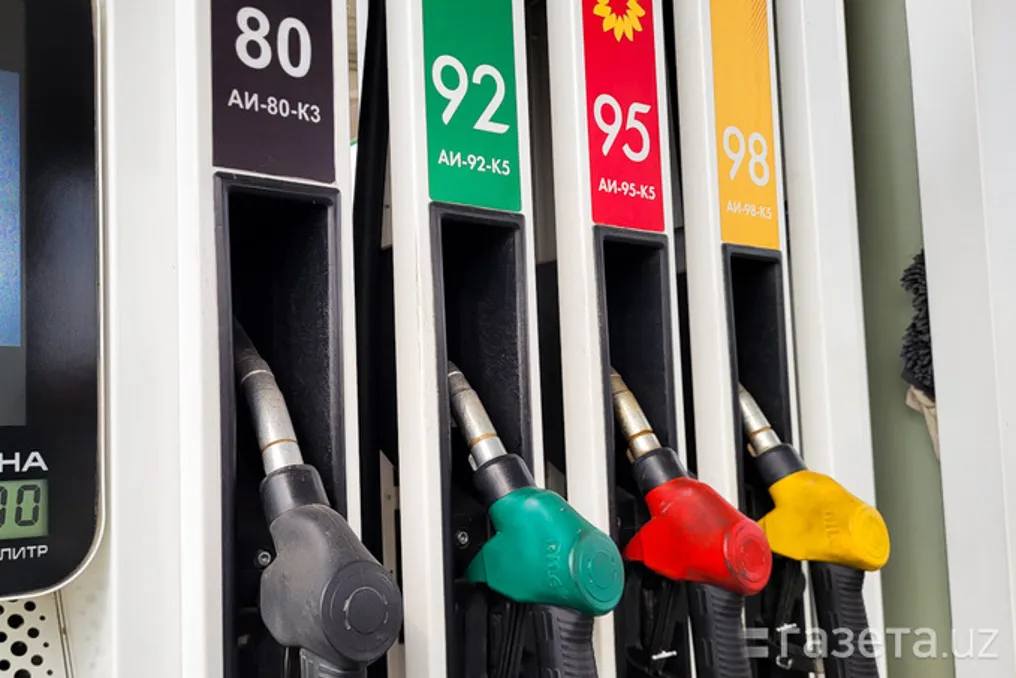
The Indian government has made a significant decision ahead of the Diwali festival. According to a notification from the Ministry of Finance published on the last day of October, the export duty on petrol was reduced to zero (Petrol Export Duty Zero). Simultaneously, taxes on the export of diesel fuel and aviation turbine fuel (ATF) were increased.
These changes were introduced by the Ministry of Finance via a notification issued on Saturday, October 31. It stated that the Windfall Gain Tax on the export of diesel fuel and aviation turbine fuel would be increased for two weeks. At the same time, a decision was made to cancel the levy on batches of petrol sent for export.
According to the government, these recent adjustments were made against the backdrop of constant fluctuations in the global energy market and geopolitical tensions in the Middle East.
As part of this decision, the export duty on petrol, which previously stood at 2.50 rupees per liter, was reduced to zero. The government clarified that these revised rates come into effect on October 31 and will remain valid for the next two weeks.
Furthermore, according to the official notification, the Special Additional Excise Duty (SAED) on the export of ATF was slightly increased from the previous 10.50 rupees per liter to 11 rupees per liter. The duty on the export of diesel fuel also significantly increased. The amount, including SAED and road and infrastructure levies, was raised from 8.50 rupees per liter to 11.50 rupees per liter, representing a direct tax increase of 3 rupees per liter.
According to PTI, the Ministry of Finance emphasized that despite the change in windfall gain taxes, the existing duty rates for domestic consumption of petrol and diesel fuel have not been altered. These new changes pertain exclusively to the export of petroleum products.
It is worth noting that the windfall gain tax is used by the government to levy tax on additional profits in situations where companies may earn more than usual due to exceptional market conditions. In the case of fuel, rising international prices allow refineries to earn higher profits from selling petrol and diesel fuel abroad. In such moments, the government seeks to capture some of this extra benefit through export taxes.
India first introduced the windfall gain tax on petroleum product exports in July 2022. It was repealed about two years later in December 2024. Then, in March 2026, it was reintroduced by the government amid turmoil in the international energy market and rising crude oil prices. Since then, the rates have been adjusted according to market conditions.
The government reviews these taxes every two weeks, taking into account changes in international fuel prices, as well as the profits generated by local refineries and exporters from overseas sales. By imposing export duties, the government aims to make foreign sales less attractive and encourage refineries to maintain high availability of products in the domestic market.