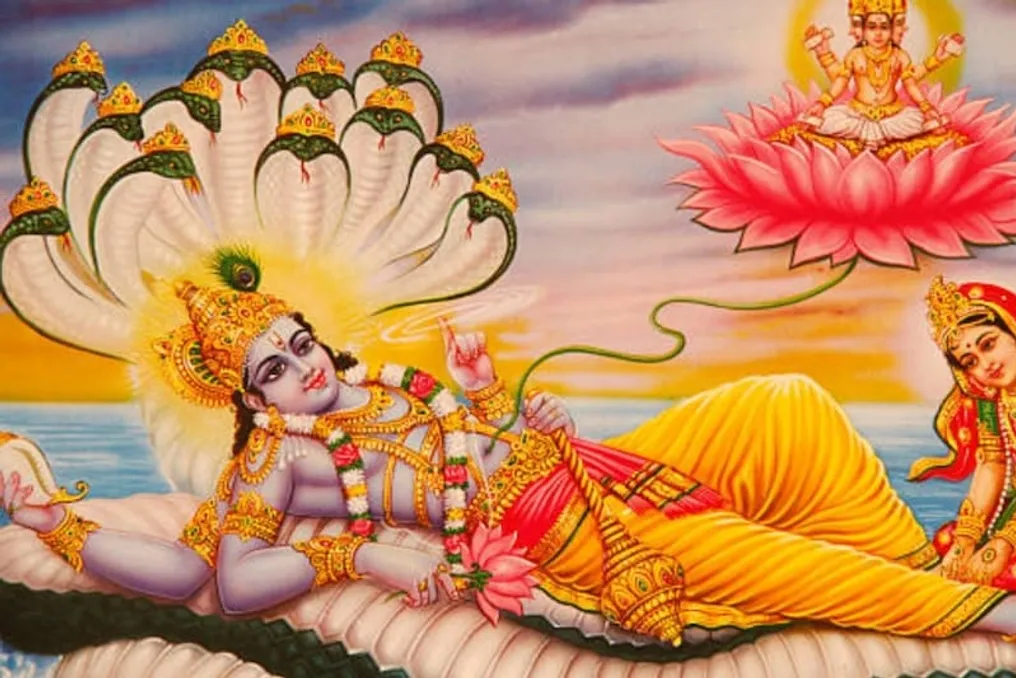
The festival of Ahoy Ashtami in 2026 is celebrated on November 1st, a Sunday. This ritual is associated with wishes for longevity, good health, and prosperity for descendants. On this day, mothers observe a fast all day, and in the evening, they worship the goddess Ahoy Mata.
According to religious beliefs, performing the Ahoy Mata rite according to established rules and listening to the narrative about the fast helps preserve the goddess's blessings over children. This fast, which follows Karva Chauth, is particularly popular in North India and is also known as Ahoy Aate.
Traditionally, after worshipping Ahoy Mata, the fast concludes in the evening with an offering of water to the stars. Detailed information is provided below regarding the date of Ahoy Ashtami, the auspicious time for worship, the Ashtami date, the time of star appearance, and the complete fasting ritual.
According to the Panchanga, the Ahoy Ashtami fast is observed on the eighth day of the dark month of Kartik. This year, the Ashtami date begins on November 1st during the day. Considering the rising date and the tradition of evening worship, the fast will be observed specifically on this day.
- Fasting Date: November 1, 2026, Sunday
- Start of Ashtami Date: November 1, at 14:51
- End of Ashtami Date: November 2, before 13:10
- Auspicious Time for Worship: from 17:36 to 18:54
- Time for Star Observation: around 18:00
- Moonrise Time: around 23:40
The specified time corresponds to the Delhi Panchanga; however, it should be noted that sunset and moonrise times may vary in different cities.
In Hinduism, Ahoy Ashtami holds special significance. This fast is primarily observed by mothers for the longevity, good health, progress, and happy life of their children. It is believed that worshipping Ahoy Mata removes difficulties in the descendants' lives and supports prosperity in the family.
Previously, this fast was mainly observed to ensure the longevity of sons, but now mothers observe it for the happiness of both sons and daughters. Ahoy Ashtami is also connected to Radha Kund in Mathura, the city of Lord Krishna. On this day, it is considered especially significant to take a dip in Radha Kund. Many couples wishing to have children also visit Radha Kund for bathing and worship on this day.
Certain items are required for worshipping Ahoy Mata. These should be gathered in one place before starting the worship:
- Picture or poster of Ahoy Mata
- Roli, Akshat, and Turmeric
- Flowers and floral garlands
- Diya, Ghee, and Incense
- A vessel filled with water
- Milk, fruits, and sweets
- Halwa, Puri, and Pua
- Seven grains of wheat and Saraai
- Offering plate and red woven material for worship
Preparation for the fast begins early in the morning on Ahoy Ashtami. The ritual is performed as follows:
- Morning Bathing and Intention: Women observing the fast wake up early, take a bath, and wear clean clothes. They then remember Ahoy Mata and decide to fast for the happiness of their descendants.
- Preparation of the Worship Area: An altar is set up in the home temple or a clean place for the evening worship. Red woven material is spread on it, and an image of Ahoy Mata is placed. In some homes, there is a tradition of drawing an image of Ahoy Mata on the wall.
- Offering Items to the Goddess: Roli, Akshat, turmeric, flowers, and garlands are offered to Ahoy Mata. After this, the diya is lit, incense is burned, and offerings of fruits and sweets are made.
- Listening to the Story of Ahoy Mata: During the worship, the story of the Ahoy Ashtami fast is read or listened to. After this, Aarti is performed to the goddess.
- Offering Water to the Stars: When the stars appear in the evening, water is offered. After this, prayers are offered for the longevity, good health, and bright future of the descendants. The fast concludes according to family tradition.
It should be remembered that in some families, there is a tradition of offering water to the Moon instead of the stars, so worship should be conducted according to the religious beliefs of one's family.
According to religious beliefs, Ahoy Mata is considered a form of Mother Parvati. She is revered as a goddess who protects and brings happiness to her descendants. On Ahoy Ashtami, women pray to the goddess for the long life, good health, and success of their children.
The image of Ahoy Mata also depicts Seh (Sahi) and her children. This is related to the mythological story of Ahoy Ashtami.
According to the legend, a merchant lived in a certain town. He had seven sons, seven daughters-in-law, and one daughter. As Diwali approached, cleaning and renovation were underway in the house.
One day, the merchant's seven daughters-in-law and daughter went to the forest to fetch soil for plastering. While digging the soil, the merchant's daughter accidentally killed the infant of Seh. Seeing her child die, Seh grieved and decided to curse the merchant's daughter.
Seeing this, the youngest daughter-in-law defended her sister-in-law and offered to accept the curse herself. After this, numerous misfortunes began to happen in the youngest daughter-in-law's life, and she was troubled by problems with offspring.