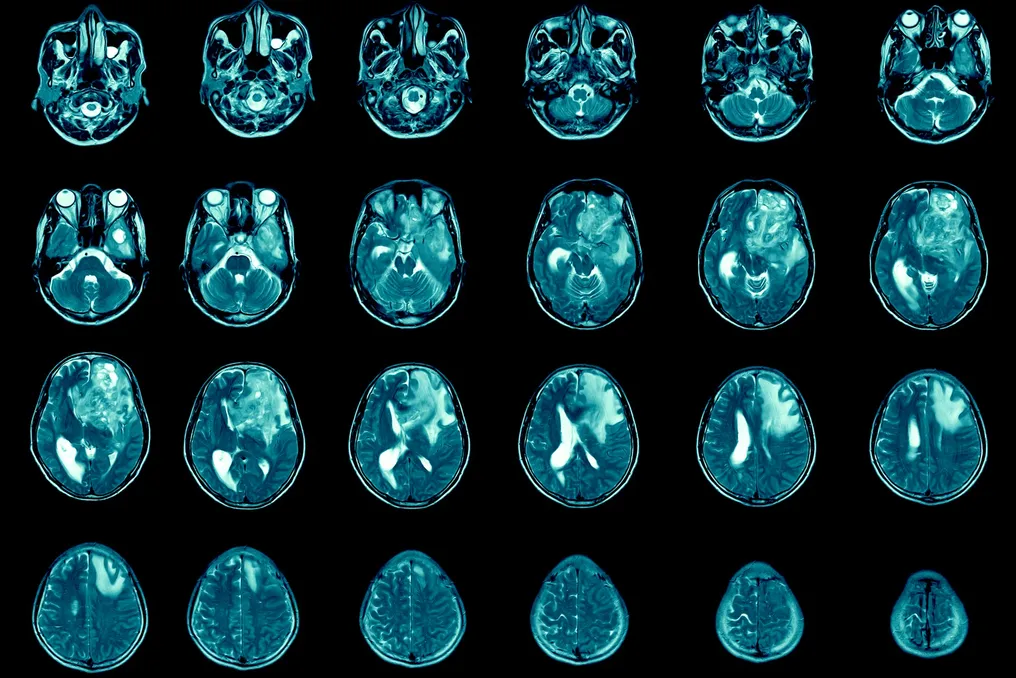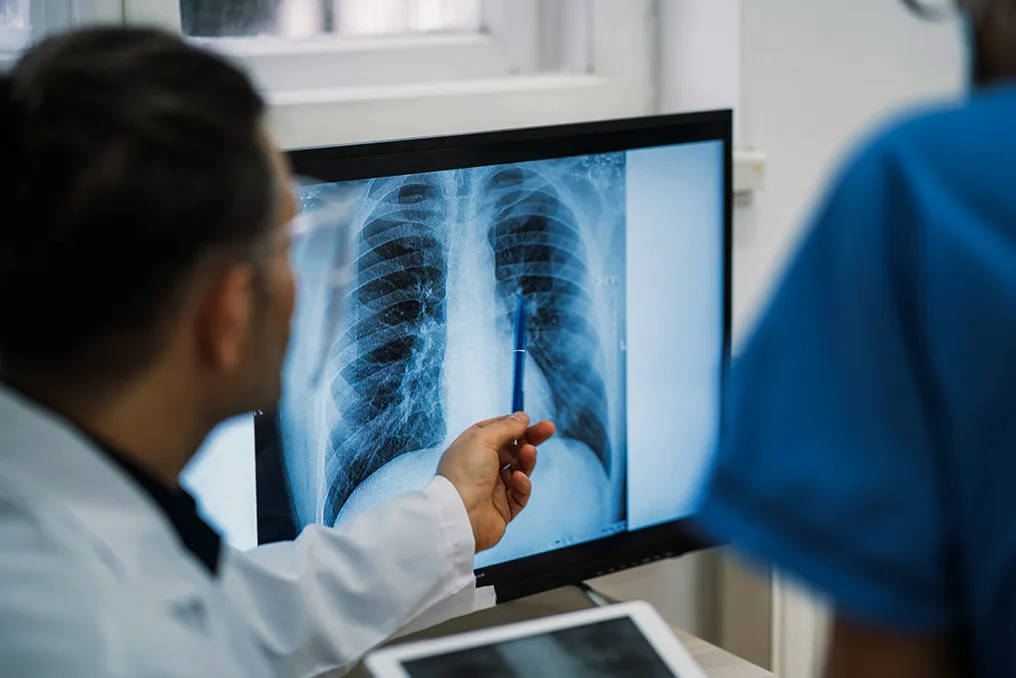
Theranostics is a method that combines imaging techniques and targeted cancer treatment. This term originates from the words 'therapy' and 'diagnostics,' and its earliest example is the use of radioactive iodine in thyroid cancer, which began in the 1940s.
Simply put, this approach seeks a biological feature present in large quantities within tumor cells. A molecule capable of recognizing this target binds with a radioactive substance. This allows visualization methods to show exactly where the tumor is located. If the lesions exhibit the desired characteristic and the patient is suitable for treatment, the same characteristic can be used to deliver radiation directly to them.
Significant progress in recent years is due, among other things, to the identification of new targets and the development of radioisotopes suitable for therapy. Besides thyroid cancer, theranostics is already being applied to neuroendocrine tumors and prostate cancer.
Application of PSMA and the Role of Medical Specialists
One of the key targets is PSMA—a protein found in higher amounts in tumor cells than in normal tissues. An MRI scan (PET) can show which lesions uptake the molecule directed at PSMA and with what intensity. In selected patients, the same target can be used to deliver lutetium-177, which emits beta radiation, to the affected areas of the disease.
Marcelo Araujo Queiroz, nuclear medicine and theranostics manager at Einstein Hospital Israelita, explains: 'Today, imaging is an integral part of treatment. And it is not necessary for prostate cancer diagnosis to express PSMA.'
Tumors classified similarly do not necessarily have identical characteristics. Differences can arise even within one person, as some metastases may contain more target marker than others. In addition to determining the presence of the desired characteristic in a lesion, studies are beginning to be used to gather information on whether the intensity of radiopharmaceutical uptake can help predict response to treatment.
Although theranostics is a personalized approach due to the selection of targets and patients, the amount of radioisotope administered in some treatments remains standardized. This is an open question. Queiroz asks: 'Is four cycles enough to deliver the necessary dose to the tumor in some patients? Or will others require eight cycles to achieve the required radiation?'
One possible solution is adjusting the dose based on the actual amount of radiation absorbed by the lesions and healthy tissues of each individual, which is called dosimetry. This assessment is already performed in specialized centers, especially outside Brazil. However, its application to determine the amount of radioactive material administered and the number of treatment cycles has not yet become widespread practice and requires more scientific evidence.
Research and New Directions in Theranostics
Another area of research focuses on combining theranostics with other forms of treatment. Among these possibilities are combination with immunotherapy and targeted therapy, as well as the use of different types of radioisotopes during treatment.
Expanding the capabilities of theranostics is the focus of the Center for Oncology Innovation with emphasis on metals and theranostics (CancerThera) in São Paulo, funded by Fapesp. During the first three years of the project, researchers studied over a thousand patients using imaging to assess the presence of PSMA in various tumors and to test the ability of lesions to uptake molecules directed at this target.
The assessments revealed significant discrepancies not only between patients with the same type of cancer but also between different areas of the disease in the same individual. 'Some tumors demonstrate greater affinity, meaning high marker uptake, in some patients and not in others. This characteristic can also vary between different areas of the tumor,' states the lead researcher and physician-oncologist Carmine Antonio de Souza, Professor at the Faculty of Medical Sciences of the State University of Campinas (FCM/Unicamp).
The results are being analyzed to understand how PSMA can be used beyond prostate cancer. Souza explains that although it was initially described as a marker associated with the prostate, PSMA can also be linked to neoangiogenesis—the process of forming new blood vessels—and can be found in other tumors.
At Einstein Hospital, theranostics is viewed as an assistant throughout the entire patient treatment journey. Marcelo Queiroz reports: 'We have infrastructure specifically focused on this area, with state-of-the-art PET-CT and SPECT-CT equipment, as well as various software for image analysis. We are also starting to implement artificial intelligence tools in this process.'
One question under investigation is how theranostics can be used in earlier stages of cancer. As with the development of other treatments, initial studies usually include patients with advanced disease and limited alternatives. Subsequent studies must evaluate toxicity, determine response, and compare new strategies with already used treatment methods.
According to the Unicamp professor, applying this approach in earlier stages still depends on a deeper understanding of tumor biology, images related to each type of cancer, various tracers, and radiopharmaceuticals that can be used. The researcher also points to collaboration between Brazilian and international centers as one way to accelerate this process.
The availability of radioactive materials is one of the obstacles noted by researchers for expanding theranostics in Brazil. Some of the isotopes used or studied need to be imported, which affects the cost and accessibility of treatment.
One opportunity to reduce external dependence is the Brazilian Multipurpose Reactor (RMB), scheduled to start in 2030 in rural São Paulo. According to Marcelo Queiroz, this facility will increase national production of radioisotopes such as lutetium-177 and ensure greater supply security. He concludes: 'Today, isotopes are imported in Brazil. This reactor could give us autonomy in the production of certain radioactive isotopes.'
The necessary infrastructure goes beyond the availability of radiopharmaceuticals. Patient selection depends on nuclear medicine studies that can show whether the tumor has the desired target. Other examinations may be required after treatment to monitor radiation distribution and its effects.
Targeting treatment to characteristics present in the tumor does not mean that only cancer cells receive radiation. Healthy tissues can also take up some of the radiopharmaceutical. For example, in PSMA-targeted treatment, salivary glands also show uptake, and some patients suffer from xerostomia, characterized by reduced saliva production.
Kidneys and bone marrow are other structures that may require monitoring, depending on the radiopharmaceutical used and the location of the lesions. In the case of treating neuroendocrine tumors with lutetium-DOTATATE, for instance, amino acids may be administered to protect the kidneys, and stimulating urination promotes faster excretion of the radioactive substance.