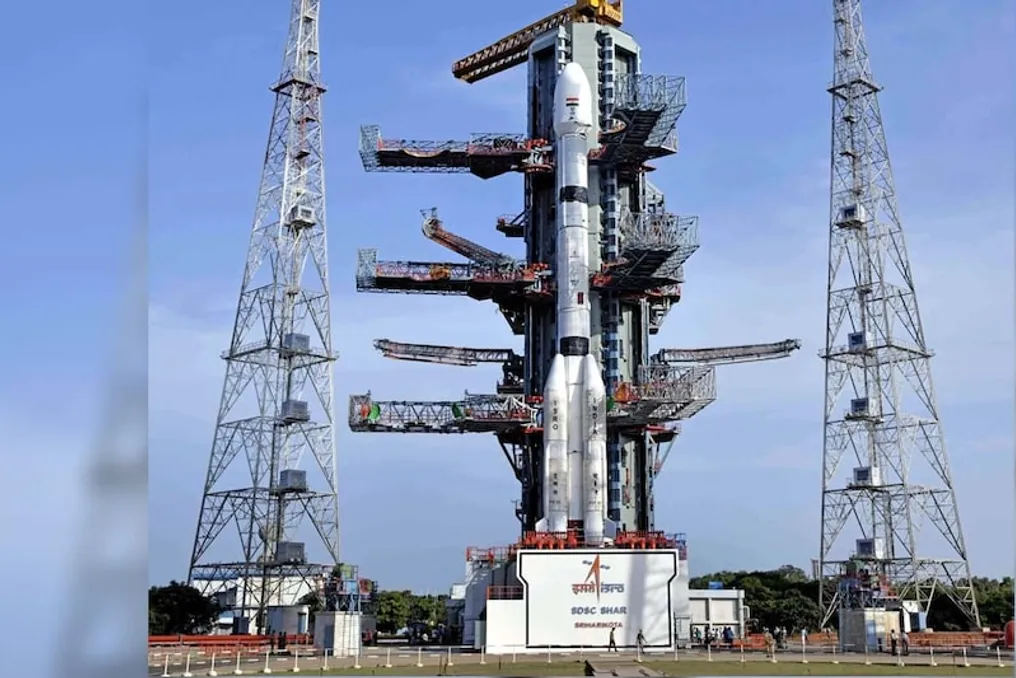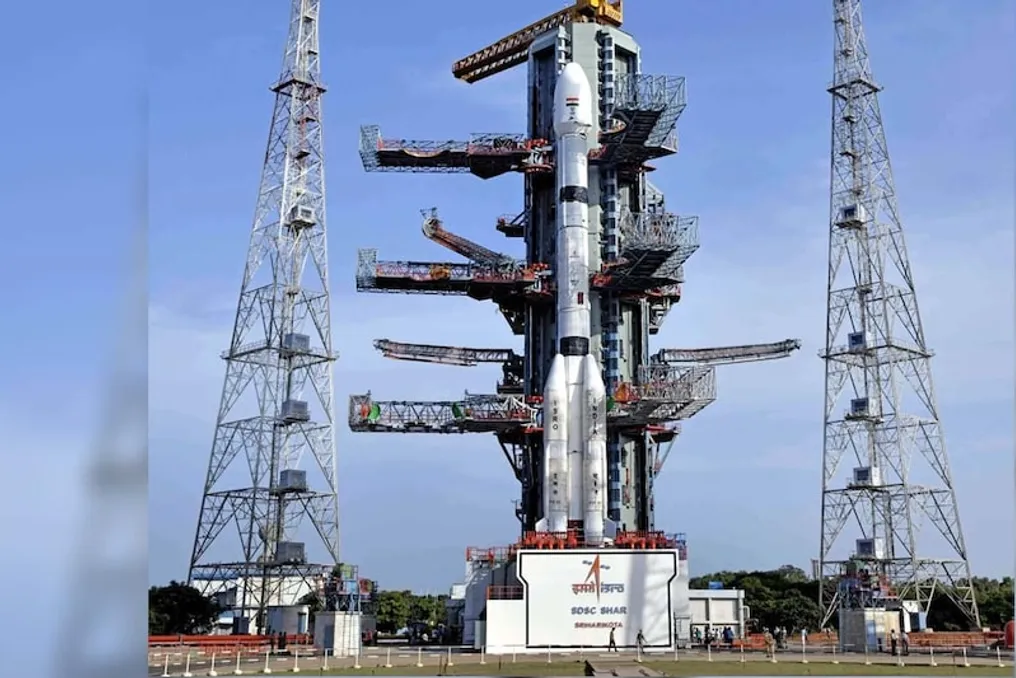
Following the successful launch of the navigation satellite NVS-03, which is equipped with indigenous atomic clocks, Prime Minister Narendra Modi named the GSLV-F18 mission a crucial step in strengthening NavIC, India's national satellite navigation system, on Friday evening from Sriharikota into Saturday.
Modi highly appreciated the work of ISRO and its scientists, noting that 'the dedication and ingenuity of our space scientists continue to bring pride to our nation.' He added that thanks to the enhanced capabilities, NVS-03 will contribute to the country's pursuit of self-reliance in critical technologies and support navigation services for the public.
Minister of Space, Jitendra Singh, stated that this significant achievement demonstrates India's growing potential in space technology and an unwavering commitment to strengthening sovereign national navigation capabilities.
The success of the NVS-03 mission will not only restore India's navigation system but also significantly enhance strategic forces that previously relied on foreign navigation systems, such as American GPS and Russian GLONASS, for weapon and missile navigation.
The new satellite features atomic clocks developed in India, which are the world's most accurate timekeeping devices. India has mastered this complex technology, and indigenous atomic clocks are now operational aboard the NVS-03 satellite in space.
Previously, the Indian armed forces did not utilize NavIC for missile navigation, precise positioning, and coordination of naval vessels, nor for internal troop and aircraft movement support. The reason was that an autonomous positioning system like GPS required four active satellites, forcing strategic forces to depend on foreign navigation systems. However, the successful launch of NVS-03 has changed this situation.
Now, the NavIC system will be operational not only for strategic applications but also for civilian needs across India and within 1500 km beyond the country's geographical borders. India's security forces require a functional NavIC to maintain strategic autonomy and ensure tactical advantage without dependence on networks controlled by foreign powers. A four-satellite constellation will provide secure, uncompromised communication, mobility, and targeting data. Modern military equipment, such as ballistic missiles and high-precision guided munitions, requires highly accurate Position, Navigation, and Timing (PNT) signals for effective operation.
Learning from past mistakes, ISRO made a crucial modification to the satellite system to ensure the launch's success. ISRO Chairman V. Narayanan reported on Saturday that to guarantee mission reliability and overcome previous technical hurdles, the NVS-03 satellite was operated with 'three open pyrovalves.'
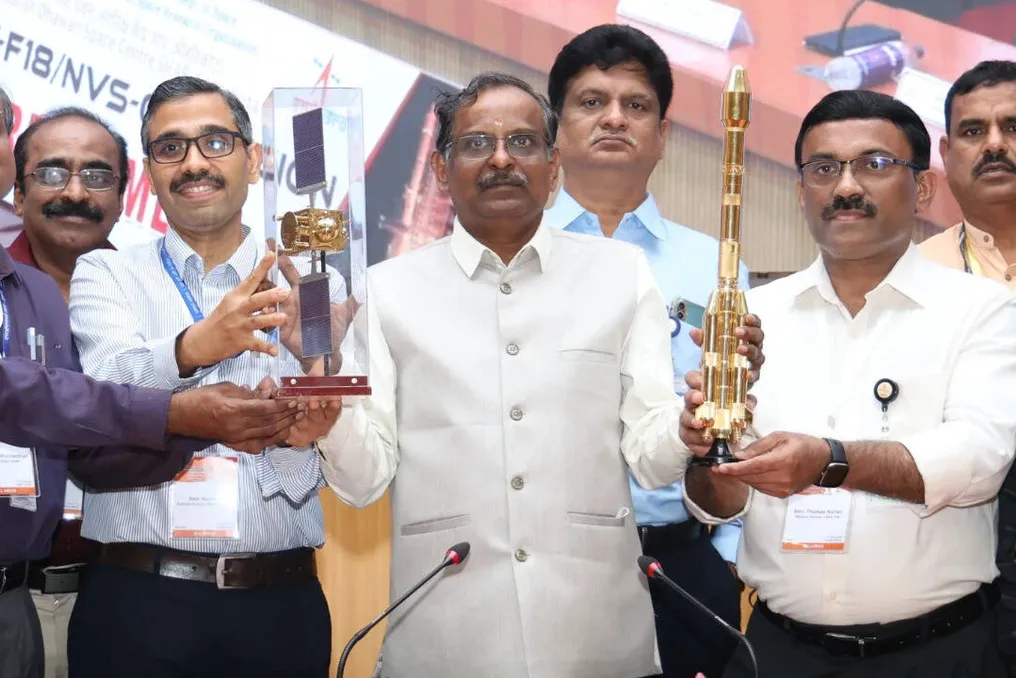
Addressing the media in Sriharikota shortly after the launch, Narayanan noted that this bold technical decision was confirmed after thorough vibration and shock testing by the national commission chaired by former ISRO head Kiran Kumar.
Pyrovalves play a critical role in spacecraft propulsion. Nevertheless, the NVS-02 satellite, launched in 2025 and being the second craft in the NVS series, failed due to a pyrovalve issue. A high-level group, after a comprehensive analysis of the 2025 satellite failure, concluded that 'the drive signal did not reach the propellant line pyrovalve intended for orbital insertion.'
The ISRO chief also informed that with four satellites, including NVS-01, which is currently active in India's navigation system, ISRO plans to launch NVS-04 in five months and NVS-05 in 10 months to further strengthen the navigation satellite constellation.