World Cities Day 2026 focuses on urban regeneration and ensuring adequate housing for all
Read more
ArchDaily Brasil
archdaily.com.br

World Cities Day 2026 focuses on urban regeneration and ensuring adequate housing for all

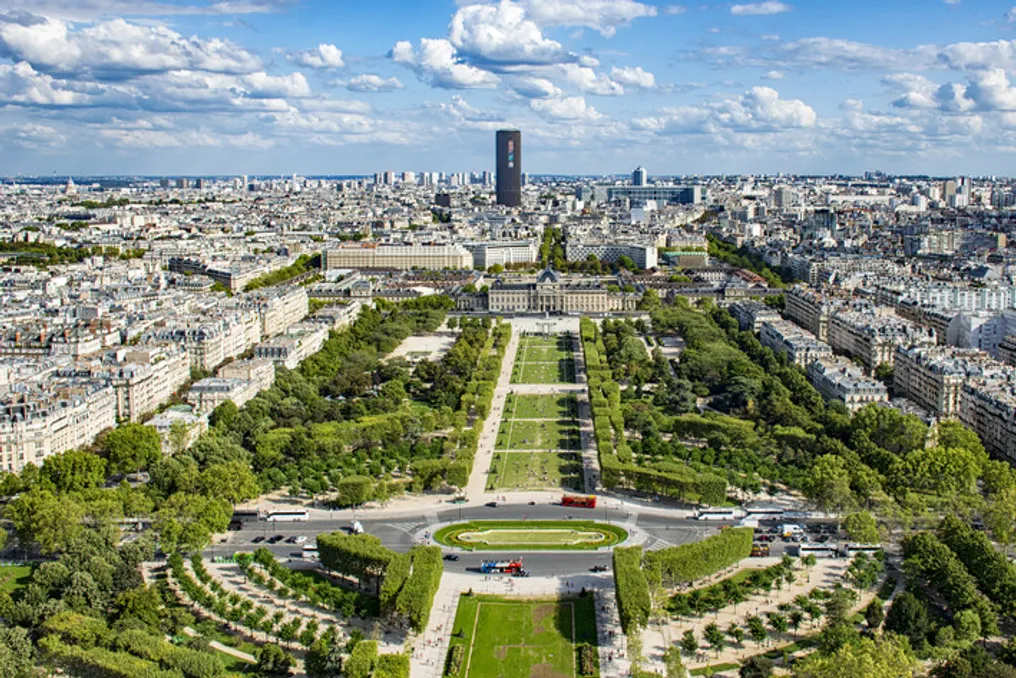
World Cities Day 2026 will be held on October 31st, with the central theme being urban regeneration, specifically focused on ensuring appropriate housing for the entire population. This year's global celebration will take place in Fuzhou, China, and aims to demonstrate how city revitalization can increase access to decent housing through the improvement of existing neighborhoods, infrastructure, and public spaces.

According to data presented by the United Nations, there are approximately 3.4 billion individuals globally without access to adequate housing, tenure security, basic services, or satisfactory living conditions. This scenario underscores the urgency of adopting methods that integrate the housing issue with broader aspects of urban life, such as environmental resilience, connectivity, and access to vital services.

Cities are formed by the interaction between residents, their residences, and shared spaces. Housing projects affect the density and profile of neighborhoods, while transport networks define the reach to jobs and services. Furthermore, public spaces provide venues for leisure and social interaction. These urban systems face increasing environmental pressures, including intense heatwaves, floods, storms, and other adverse climate events. With the continuous growth of cities, the availability of adequate housing is intrinsically linked to the capacity of urban settlements to adapt to these challenges while sustaining resident communities.

For this edition of World Cities Day, various interconnected elements of urban life were analyzed from four main perspectives: housing, public space, mobility, and neighborhood habitability, gathering reports that explore the challenges and opportunities characterizing contemporary cities.

Housing, Displacement, and Climate Change Resilience

Adequate housing transcends the mere existence of a roof; its location, construction method, financial viability, access to services, and resistance to environmental risks are factors that determine the security it offers. Given the rising impact of floods, storms, and extreme heat in urban settlements, housing strategies must consider how both buildings and communities can adjust to these new realities. For those forced to move due to environmental pressures, conflicts, or economic instability, the search for a new home also implies regaining access to income sources, services, and social support networks. These issues demand solutions that unite housing design with land use, infrastructure, and active community participation.

Urban Landscapes as Support Structures: Public Space, Water, and Climate Adaptation

Parks, waterfronts, gardens, and open areas are often perceived merely as aesthetic elements that enhance the visual appeal and recreational value of cities. However, their function is much broader, directly influencing the functioning of urban ecosystems. These landscapes aid in absorbing rainwater, reducing surface temperatures, supporting biodiversity, and providing relief during periods of extreme heat. In flood-prone regions, incorporating water management into public space and landscape planning helps alleviate the burden on conventional drainage systems. These capabilities become even more critical as cities expand and natural systems undergo changes due to urban development.

Urban Displacement: Mobility, Transport, and Connection

The way citizens move within the city directly impacts their access to housing, job opportunities, education, health, and public areas. Although transport networks connect neighborhoods, road and infrastructure planning can also create barriers, especially for those who walk, cycle, or use public transport. In numerous cities, an excessive focus on the automobile has resulted in fragmented urban environments, dangerous streets, and disparities in access to essential services. Reforming mobility requires more than simply implementing new transport technologies or expanding the road network; it necessitates considering the integration between different modes of locomotion, ensuring that infrastructure meets the needs of people with diverse requirements, and improving connections between urban and rural areas.

What Defines a Habitable Neighborhood? Health, Green Areas, and Community

While metropolitan guidelines establish general conditions for urban development, the experience of living in a city is often determined at the neighborhood scale. Access to hospitals, parks, schools, local services, and safe streets profoundly influences how residents experience their surroundings and participate in urban life. Such qualities are not distributed uniformly, and general metrics or international classifications can mask the differences between neighborhoods and the real needs of their inhabitants. Therefore, understanding the concept of habitability requires going beyond analyzing economic performance or the quantity of green areas, focusing instead on how people actually use their spaces, interact with each other, and participate in decisions affecting their communities.

Similar stories

Jaipur, India, included in the list of best global destinations for 2027
Read more
www.aajtak.in

Jaipur, India, included in the list of best global destinations for 2027

The city of Jaipur, the capital of Rajasthan state, is known worldwide for its magnificent havelis, historic forts, royal palaces, and colorful markets. In 2027, this city has once again attracted attention for a special reason: it marks the 300th anniversary of its founding.

Considering the upcoming significant events and rich heritage, Jaipur has been included in the National Geographic Best of the World 2027 list. This list features 25 destinations across six continents where tourists can experience diverse offerings next year—from historical sites and natural landscapes to cultural events and adventurous journeys.

Jaipur's main attractions are its architecture, traditional crafts, and the renowned Jaipur Literature Festival. The city was founded in 1727 by ruler Kachwaha Sawai Jai Singh II, making 2027 a special moment to celebrate the three-hundredth anniversary.

Jaipur represents a unique blend of history and modern culture: major events related to literature, art, and culture take place alongside centuries-old buildings.

The twentieth Jaipur Literature Festival will be held in Jaipur from January 14 to 18, 2027. This festival brings together writers, readers, thinkers, and literature enthusiasts from all over the world to discuss topics such as literature, history, politics, science, and society. A large number of people attend this event annually, strengthening Jaipur's cultural identity. Tourists visiting in January can include this festival in their trip, combining it with visits to the city's historical landmarks and markets.

Among Jaipur's main historical sites are Amber Fort, known for its vast courtyards, intricate carvings, and royal interiors, showcasing the beauty of Rajasthani architecture. Hawa Mahal, which has become an icon of Jaipur, attracts visitors with its pink structure and unique windows, making it popular among tourists and photography lovers. Another significant location is Jantar Mantar, a UNESCO World Heritage site housing ancient instruments for studying astronomical calculations and celestial body positions, making it interesting for history and science enthusiasts.

The National Geographic Best of the World 2027 list includes various corners of the world that attract tourists due to their unique characteristics. These include Luxor in Egypt and Penang in Malaysia, famous for its cuisine and historic streets. In Niigata, Japan, one can enjoy local food, sake, and beautiful sea views.

The Pacific Coast Highway in the USA features a stunning coastal drive. Additionally, the Southern Ozarks of Missouri and Arkansas offer outdoor adventures. Cape Froward in Chile is renowned for its remote natural areas and Patagonian views, while Malawi offers opportunities for wildlife viewing and walks around Lake Malawi.

Europe's selections include Normandy in France, Santander in Spain, Leipzig in Germany, Dumfries and Galloway in Scotland, and Westland in Norway. The list also features Puerto Rico, Madison and Baltimore in the USA, Chengdu in China, Grenada, Salvador in Brazil, Halifax in Canada, the Transcaucasian Trail in Armenia, Melbourne in Australia, Maya-Kaan in Mexico, Trois-City in Poland, and Quelapa in Peru. Catalina Island in California is specially noted as a reader's choice.

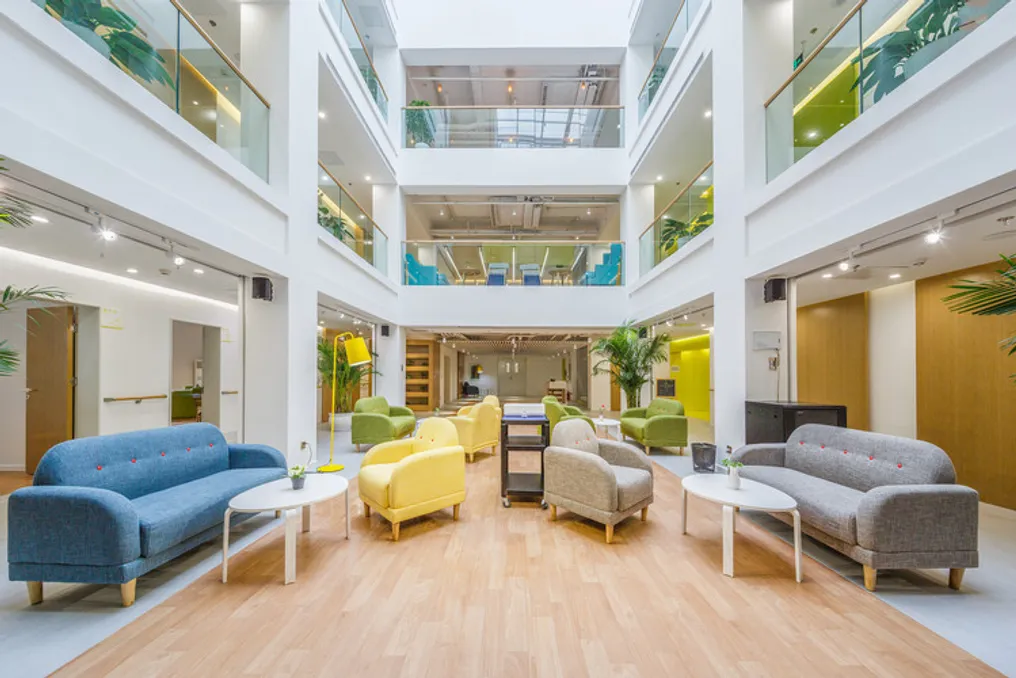
Apartment project for seniors in the neighborhood developed by DAGA Architects
Read more
archdaily.com.br

Apartment project for seniors in the neighborhood developed by DAGA Architects

The project for an apartment intended for seniors in the neighborhood was presented by DAGA Architects. This work was cited on the ArchDaily platform in Portuguese, with a scheduled publication date of October 22, 2026, and accessed on October 23, 2026.

Project Gallery

The project gallery is available for full viewing.

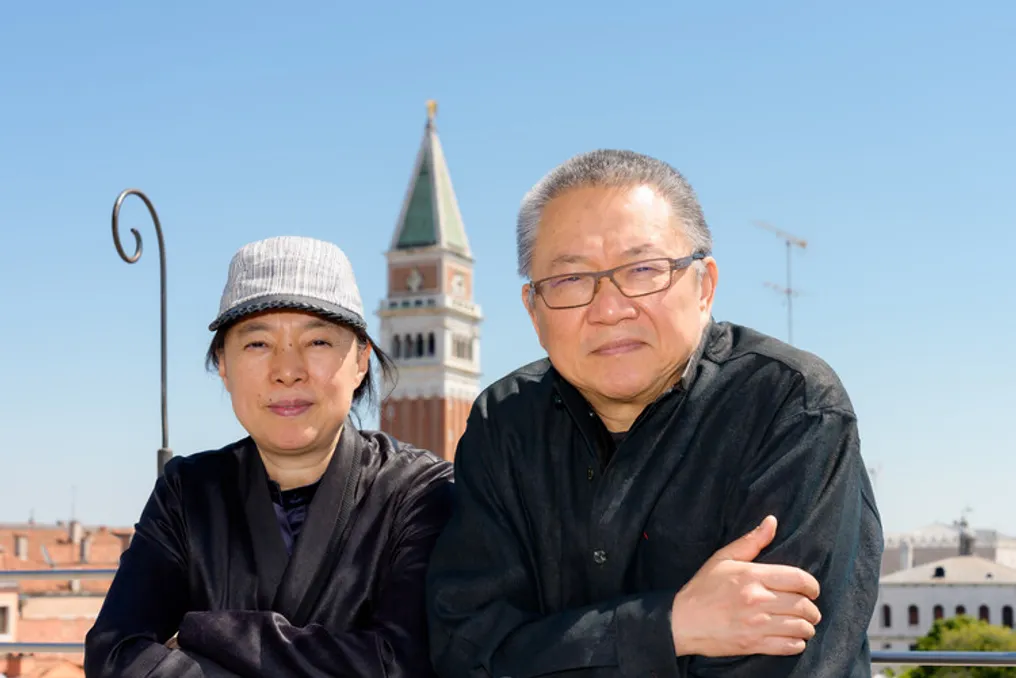
Wang Shu and Lu Wenyu argue that architecture must return to its essence at the Venice Biennale 2027
Read more
archdaily.com.br

Wang Shu and Lu Wenyu argue that architecture must return to its essence at the Venice Biennale 2027

With the assertion that architecture needs to return to its essence, Wang Shu and Lu Wenyu have established the central principle of their curatorial vision for the 20th International Architecture Exhibition of the Venice Biennale. This event will take place from May 8 to November 21, 2027, covering the Giardini, the Arsenale, and the entire city of Venice. The exhibition, titled 'Do Architecture – For the Possibility of Coexistence Facing a Real Reality,' aims to encourage a return to the physical act of building, as the curation suggests that the discipline has drifted from lived reality due to excessive abstraction, commercialization, and digitalization.

The curators suggest a new engagement with the present, raising questions about the meaning of practicing architecture today by utilizing materials, construction methods, local knowledge, and direct experience. This line of reasoning is supported by concepts underpinning the work of Amateur Architecture Studio, founded by Wang Shu and Lu Wenyu in 1997, focusing particularly on exploring traditional construction techniques, material reuse, and the connection between architecture and its place.

The show also places coexistence at the center of debates, investigating how architecture can harmonize seemingly opposite conditions, such as technology versus craftsmanship, or urban and rural construction modes, while remaining anchored in the specific realities of each region.

Before the start of the 2027 Venice Biennale, ArchDaily interviewed Wang Shu and Lu Wenyu to discuss the ideas behind 'Do Architecture' and the themes defining their curatorial proposal. The conversation explored what it means to reclaim the essence of architecture, ranging from the growing distance between architectural discourse and physical construction to the role of artificial intelligence, local knowledge, and practical experimentation. It also analyzed whether a traditionally representation-focused exhibition could become a space for creation and the impact of this shift on the future of professional practice, centering on the question: what does it mean to make architecture today?

Why 'Do Architecture' and why now?

When questioned by Christele Harrouk (ArchDaily) about the title of the 2027 Venice Biennale, which begins with the direct order 'Do Architecture' [Make Architecture], they were asked why they considered it crucial to bring the discussion back to the act of building at this specific time and what, in their view, architecture has lost or moved away from, making this return necessary.

Wang Shu and Lu Wenyu argued that contemporary architecture is declining due to over-abstraction and conceptualization, rampant commercialization, and disinterest in the real architectural activities occurring outside the dominant circuit. For this reason, 'making architecture' acquires vital relevance in the current times.

Wang Shu and Lu Wenyu added that excessive abstraction has always been a problem in modern architecture, noting that architects, especially those designing large buildings, are disconnected from builders and designers. Commerce-driven architecture increasingly seeks quick and impressive superficial changes, transforming it into a merely decorative activity applied onto basic structures—a large-scale reproduction of superficial forms. They emphasized that local constructions and spontaneous activities outside the hegemonic circuit have long been neglected, concluding that the architecture dominating institutional discourse is losing its essence and risks extinction.

From Question to 'Doing'

When asked about the transition from previous themes of the Venice Biennale—such as 'How will we live together?' (2021), The Laboratory of the Future (2023), and Intelligens. Natural. Artificial. Collective. (2025)—to the focus on 'Do Architecture' in 2027, Wang Shu and Lu Wenyu indicated that prioritizing the 'present' is even more important, as people tend to avoid the current impasse by projecting their anxiety into the future. They see the 'making architecture' proposal as a change of direction. While questioning refers to reality, imagination is a necessary tool to understand and activate it, and experimentation only makes sense when it is a rigorous test against reality.

For them, the main question is not why 'make architecture,' but how to realize it and with what attitude towards reality. Experiments that confront reality are considered more radical and difficult than those based on future projections. The Venice Biennale International Architecture Exhibition is seen as the space with the greatest potential to host such radical experiments.

What is 'Real Reality'?

Regarding the expression 'facing a real reality' in their curatorial statement, they defined that the deepest crisis faced by humanity since the 19th century in the field of architecture is the conflict between nature and large-scale artificial construction. Driven by the desire for global development and in the name of modernity, this activity, despite generating enormous transformations, is destructive due to the homogenization it imposes on nature, history, and local culture.

They emphasized that architectural actions fundamentally shape the environment where people live, making it imperative to present a response to this crisis. Just as biodiversity in nature, the cultural charm of global cities and villages resides in diversity. Therefore, the essence of real reality is diversity, which equals multiple possibilities. This implies that architectural making differs drastically from purely conceptual design, rejecting any simplification of life in the name of modernity.

From Talking About Architecture to Making Architecture

Concerning the idea that architecture 'should not just be discussed, but above all, directly realized,' they acknowledged that architecture is embedded in a vast ecosystem of images, publications, academic discourses, digital platforms, and AI-generated representations. They agreed that the trend of abstraction and conceptualization in modern architecture was accelerated by digitalization, causing architects to lose tactile contact with the material world, physical experience, and even the basic sense of scale after the widespread adoption of computer-aided design.

Wang Shu and Lu Wenyu pointed out that excessively abstract debates and the extreme abstraction of the design itself lead to disdain for rich and distinct local characteristics. Regarding coexistence, they stated that the term reflects a shared feeling of alienation regarding survival in the modern world, and their biggest concern is whether architecture can help preserve or restore the coexistence of diversity.

They concluded that people's ability to coexist depends on their ability to collaborate. When architectural practices are based on direct contact and manual construction, human sensitivity and experience are completely altered, originating from distinct local particularities, which points to entirely different perceptions and paths in architecture.

Technology, Intelligence, and Making

Faced with the rise of artificial intelligence, they observed that this technological wave is a global reality, but essentially represents the polarization of a world that was already abstract and conceptual. Although AI offers convenience and efficiency, it proves illusory and powerless against the concrete physical world and survival. Moving towards an architecture that values physical experience is an inevitable struggle.

When asked what they required of participants when inviting them to respond to the theme 'Do Architecture,' they clarified that the concept of 'making architecture' is more defined by 'how to make.' In the Architecture Biennale, there is a much greater emphasis on displaying the process and the authenticity of execution, constituting an exhibition of architectural practices based on physical construction, functioning as a conscious critique.

Popular