What many consider reckless driving has become a source of hope for the youth in Mitchells Plain. In his documentary film 'The Soul of South African Spinning,' filmmaker Jehran Daniel sheds light on the families, victims, and exceptional talent behind the life-changing sport.
At the young age of 11, Connor February already gained recognition in the South African spinning community. This young racer from Mitchells Plain in Cape Town attracted the attention of thousands of viewers by demonstrating skills that required years of practice, discipline, and support.
However, behind the roar of engines, the screech of tires, and clouds of smoke lies a story less related to cars. It is a narrative about children growing up in areas where opportunities are scarce; about parents striving to give their children a better future; and about people who believe that talent should have a chance, regardless of background.
This is the story South African filmmaker Jehran Daniel wanted to tell through his film 'The Soul of South African Spinning.' Speaking to IOL, Daniel explained that the documentary arose amid debates surrounding Connor's performance at the Gas Motor Show in Durban earlier this year.
Daniel, who runs the automotive content platform Auto Rush, filmed footage of the young man spinning his Nissan Skyline in front of thousands of spectators. The video quickly went viral, garnering over two million views on TikTok and Facebook. Nevertheless, the audience reaction was mixed.
While many praised Connor's outstanding abilities, others questioned the safety of a child participating in spinning. Daniel found himself at the center of criticism. He recalled: 'Critics started calling me a promoter of a 'threat to children's lives. After that, I received angry messages, threats, and so on on WhatsApp.'
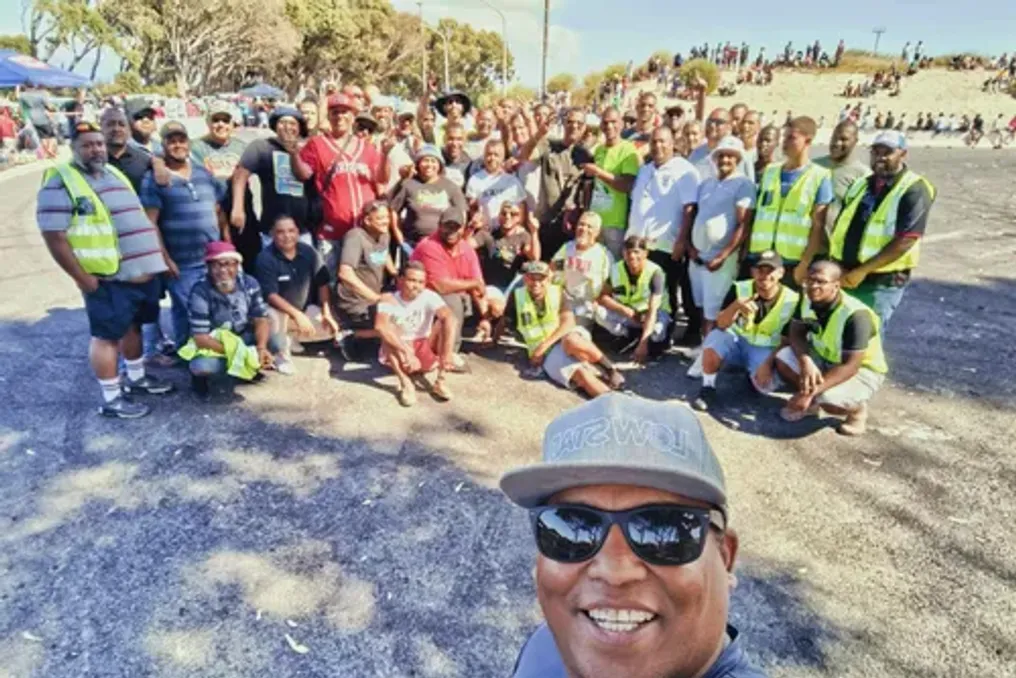
Instead of letting criticism overshadow the young man's achievements, Daniel decided to tell the story behind the performance. About a month later, he traveled to Cape Town and visited the SPIN program at the Lentegeur sports field in Mitchells Plain, where Connor trained. He discovered a community that uses motorsport to offer something meaningful to the youth.
Daniel stated: 'I made this documentary to show the world that this sport is not a danger, but a lifeline for the children of Mitchells Plain.' He added: 'I wanted to show people that this sport is more than just a dangerous act, as people see it. It is a blessing and a tool that can be used to guide and nurture functional adults who will contribute to improving our society.'
For Daniel, this film became an opportunity to challenge people's assumptions about spinning and the communities where it thrives.
Connor's path to the Gas Motor Show was made possible by the support of Rhys Williamson, the documentary producer, who became interested in the work done by the SPIN organization. Williamson noted that he recognized the program's potential after learning about the efforts to create opportunities for youth in Mitchells Plain, especially among those growing up in environments of crime and gangsterism.
To better understand the initiative, he made several trips between Durban and Cape Town to meet participants and see the talent firsthand. It was during these visits that he met Connor. Williamson said: 'I immediately saw something special in him—not only his racing talent but also the potential to inspire other young people from his community.'
He decided to bring Connor to Durban to participate in the Gas Motor Show, where the young man would have the opportunity to demonstrate his skills to a much wider audience. The reaction exceeded his expectations. 'Connor became an absolute hit. The crowd loved him, and people were amazed by the talent and confidence he displayed at such a young age.'
But for Williamson, the achievement was more than just a successful performance. He wanted other young people watching Connor to understand that their own talent could open doors. 'For me, it was about much more than spinning cars. It was about showing the youth of Mitchells Plain that there are opportunities outside the streets, gangs, and crime.'
He believes that with proper support, encouragement, and exposure, more young people could find opportunities through motorsport. 'If we can inspire even one young person to choose motorsport over gangsterism, we will have achieved change.'
Although Connor's viral performance prompted Daniel to investigate the sport further, the filmmaker decided not to create a documentary consisting solely of spectacular driving. Instead, he wanted the audience to meet the people who make the sport possible.
Daniel reported that actual spinning footage makes up only about 10–15% of the documentary, while the rest is dedicated to the people and families behind the SPIN program. One central story is that of the February family, whose involvement in spinning spans three generations. Through their journey, Daniel explores how the sport has become part of their family life, demanding self-sacrifice, sacrifice, and commitment to developing the next generation.
Daniel explained: 'I wanted to show the world how the February family took responsibility for their actions, and they did it through this sport of spinning.'
For him, the family's story demonstrates that developing a young athlete requires more than just recognizing talent. It requires the presence of parents willing to make sacrifices and support their children's ambitions. Daniel wanted to show that the passion associated with spinning extends beyond the sport itself and permeates the home, family, and daily life.
Daniel believes that this level of dedication can change people's perception of themselves. 'When a person is so dedicated to something, they find a version of themselves they didn't know existed.'
Among the young talents featured in 'The Soul of South African Spinning' is 16-year-old Shalin Sedars, whose driving abilities challenge long-held stereotypes about women in motorsports. The Mitchells Plain teenager drives a BMW E30 equipped with a 328i multi-valve engine and has learned to complete full circles performing spinning tricks without losing momentum.
Daniel said that observing her performances was enough to disprove any notion that women do not belong in this sport. He admitted that neither he nor many men he grew up with could drive the car like Shalin.
Equally impressive to him, as her driving, was the support she receives from her family. At an age when many teenagers are still figuring out their interests, Shalin has already reached a level of mastery that, in Daniel's opinion, brings her close to the status of a fully experienced spinner. Her story adds another dimension to the documentary, showing that opportunities in motorsport are not limited to boys. It also highlights what young people can achieve when their interests are taken seriously and supported by those around them.
For many South Africans, Mitchells Plain is a community whose name is closely associated with reports of gang violence and crime. However, Daniel believes that these narratives often fail to account for residents who are tirelessly working to create a different future. His filming at the Lentegeur sports field introduced him to people who use their passion for motorsport to change children's lives.
Daniel noted: 'Mitchells Plain is often called a haven for gangsters, but there are also many hardworking people here who want to present the area in a different, more positive light. The members of SPIN are those people.'
Daniel hopes that the documentary will prompt viewers to recognize these efforts rather than viewing the community solely through the lens of its problems. For the involved children, he believes that spinning teaches lessons that go far beyond the track. He argues that it teaches youth the value of hard work, self-confidence, and the ability to achieve goals.
He also believes that finding a passion can help young people develop a stronger sense of purpose. 'Whether it's spinning, art, music, or filmmaking. People should see this and want to go out into the world and find something they can immerse themselves in.'
Although the documentary focuses on motorsport, Daniel hopes that its message will resonate with anyone who has ever struggled with finding direction or believing in their own strength. He wants viewers to understand that the lessons learned through dedication, practice, and perseverance stay with young people long after they finish their sports activities.
Spinning cars has long been a controversial element of South African motorsport, as concerns about the safety and risks associated with high-speed maneuvers of powerful vehicles are frequently raised. However, for Daniel, this sport is often misunderstood by those who have only seen it in dramatic online videos.
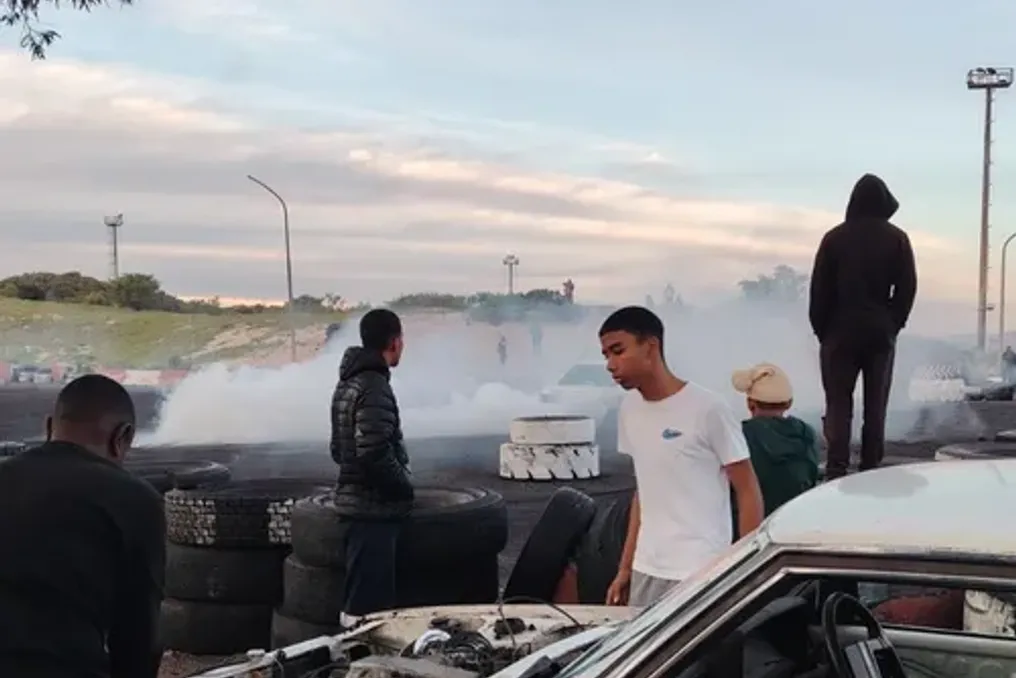
He believes there is a significant difference between reckless driving and the discipline required for organized spinning events. He explained: 'What might look like reckless driving requires an insane amount of patience, control, and practice.'
During filming, Daniel mentioned that spinning sessions took place on a controlled arena with barriers and marshals overseeing the activity. His experience reinforced his belief that the sport deserves understanding beyond the most dramatic moments. The documentary also examines the difficulties faced by community initiatives trying to develop spinning and create opportunities for youth. Daniel noted that there are obstacles residents must overcome when trying to improve their communities, but he believes local involvement remains vital. He hopes the film will promote greater recognition for the people who continue to invest their time and resources in developing this sport.
One of the most memorable aspects of filming in Cape Town for Daniel was observing the excitement of the children watching the performances. Traveling across South Africa and shooting motorsport content over the past three years, he said there is something special in the atmosphere surrounding the Cape Town spinning community. He described: 'It is the sparkle in the eyes of the children standing on the sidelines. The amount of noise the crowd makes to cheer you on. The way the smoke rises against the backdrop of the mountains.'
He believes these moments reflect what makes this culture so significant. He also pointed to the sense of community that continues to define spinning in Mitchells Plain, where athletes compete for free because they want the sport to remain accessible and enjoyable for spectators. For Daniel, this commitment to preserving the spirit of the sport is part of what inspired the documentary's title. He explained: 'A film about the development of children through the sport of spinning. About how the community sticks together.'
Although cars may initially attract a crowd, he believes it is the relationships formed around the sport that give it long-term value. Daniel hopes that future generations watching 'The Soul of South African Spinning' will recognize the dedication of those who helped build this culture and feel motivated to pursue their own dreams.