Review of the Signature Menu at Doppio Zero Restaurant in Morningside
Read more
IOL
iol.co.za

Review of the Signature Menu at Doppio Zero Restaurant in Morningside

Doppio Zero restaurant, located at 102 Florida Rd in Morningside, features a unique signature menu. This allows chefs to demonstrate creativity and owners to share their passion for food beyond the standard franchise offering, which typically includes pizza and pasta. This variety also attracts customers looking for something unusual.

Food reviewer Ingrid Shevlin and the article's author visited Doppio Zero on Florida Road, which is one of two halal locations in a chain of over thirty establishments. They were greeted by the owner, Muhammed, who possesses a warm and engaging manner and a genuine passion for cooking. During the conversation, they discussed various aspects, including tastes, preferences, trends, and products.

Chef Tahir Davis presented the signature menu, which has a fusion character and, he hopes, will be regularly updated according to the season. A large portion of dishes was prepared for the review.

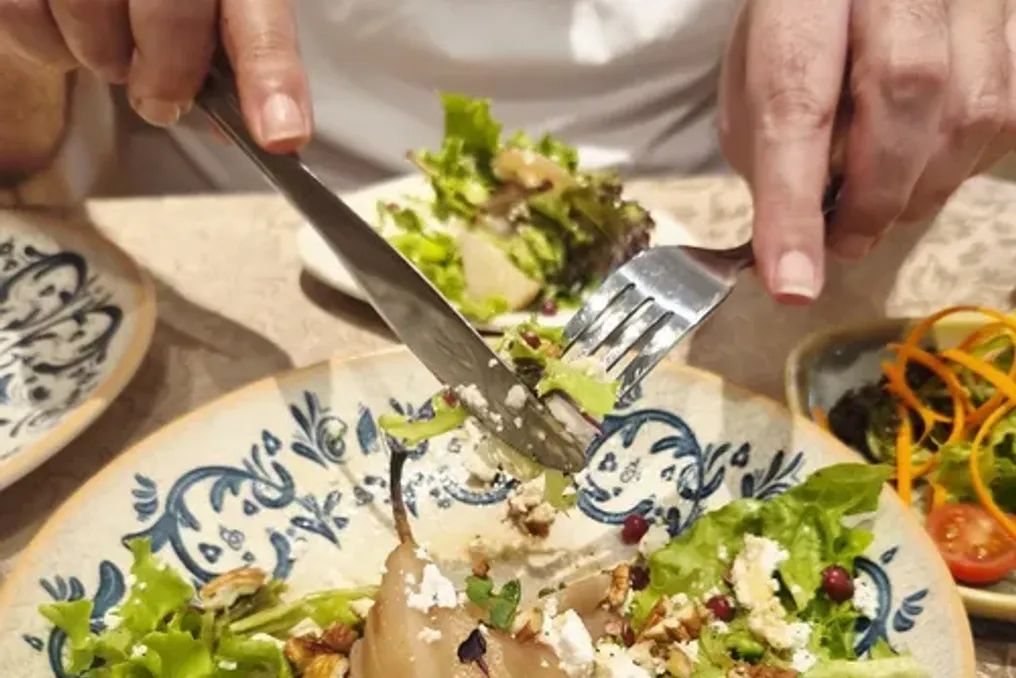
Doppio is known for its impressive breakfast menu. The chef prepared three starters for them. Among them were spicy corn ribs, cooked in a garlic-citrus sauce with chili containing grated Parmesan and fresh lime. Both reviewers highly rated this dish, noting its spiciness. A beef burger in a bao bun with sesame, jalapeño, and Japanese mayonnaise sauce, as well as a roasted garlic sauce, was also presented. Another option was the 'Garden Harvest' salad, which featured baked pear, walnuts, pomegranate seeds, and feta on a bed of crispy greens.

The main course section offered many options, including Arayas lamb stuffed with mint in pita with harissa, beef sliders, a signature shrimp roll, tandoori chicken with rustic flatbread, spicy brisket pizza, and Cajun lemon pasta. Ingrid chose the coconut-lime kingclip, which she really liked, although the coconut sauce was quite rich. The author tried the fillet with 'fire butter,' which was perfectly cooked and served on a bed of Parmesan puree, drizzled with chimichurri and 'fire butter.' The chef did not reveal all the cooking secrets.

The dessert section also proved interesting. Three desserts were presented. The first was a French toast with caramel, prepared in cardamom tea and with cardamom cream. The second was the 'Velvet Nest,' consisting of chocolate mousse in a sea salt shell with brown butter ice cream and crunchy pecan tuile. The third was a slice of tres leches cake with pistachios, which was a delight. The author noted that they ate the leftovers of this dessert the next day for breakfast.

Based on the evaluation, the following scores were given: Food: 4, Service: 3.5, Atmosphere: 3.5.

Similar stories

New meal and food voucher rules take effect in November, promoting greater card interoperability.
Read more
g1.globo.com

New meal and food voucher rules take effect in November, promoting greater card interoperability.

A significant change is about to be implemented for those who use meal or food vouchers issued by companies such as Alelo, Ticket, VR Benefícios, Pluxee, Flash, or Swile. Starting in November, these cards must be accepted at any payment terminal enabled for this type of benefit, concluding a transition phase that began in May and expands the possibilities of using the benefit.

This determination is part of a set of new guidelines from the Worker Feeding Program (PAT), which was announced by the government in February of this year. In November, the adaptation period ends, and the rule that guarantees that any card belonging to the program can be used at any machine capable of receiving the benefit comes into full effect.

The main transformation introduced is called interoperability, which simplifies the operational scenario. In practice, this feature eliminates the requirement for restaurants, supermarkets, and other points of sale to maintain specific agreements or equipment for each meal or food voucher brand.

What changes starting in November?

Although the integration between systems began in May, the adjustment period was completed last Saturday. Previously, some companies were still in the migration process. At the beginning of September, g1 reported that more than one hundred companies had been notified by the Ministry of Labor and Employment (MTE) to provide documentation and clarifications regarding possible failures in complying with PAT rules.

With full interoperability, the worker gains the freedom to use their card at any commercial location that accepts this benefit, without depending on the company that issued the card.

Will the benefit amount change?

There will be no change in the amount of the meal or food voucher provided by companies to employees under the new rules. Furthermore, the use of these resources for purposes other than food remains prohibited. Thus, the amounts remain exclusively intended for the purchase of ready meals or food items, according to the benefit modality. The change aims to broaden the options for using the benefit and foster competition in the sector, without increasing the amount received by the worker.

What has changed since February?

Even though full interoperability only starts to apply in November, other regulations have been in force since February. Among the most relevant changes are: a maximum limit of 3.6% for the fee applied to sales processed with meal and food vouchers; a ceiling of 2% for the exchange fee; and a maximum period of 15 calendar days for the sales money to be transferred to the establishments.

Previously, merchants frequently complained about high fees and long waiting periods to receive payments, which could exceed 30 days. The government justifies these rules as an effort to reduce costs and make the acceptance of benefits more advantageous for businesses of all sizes.

What do the operators say?

After the disclosure of the new rules, some operators have challenged the decree legally. These companies argue that the government exceeded its authority by establishing tariff limits and promoting structural transformations through a decree.

What happens if the rules are not complied with?

Contracts and operations linked to the PAT must strictly adhere to the guidelines established in the decree. Non-compliance with these rules can result in various consequences, such as fines, sanctions, de-registration from the program, and the requirement to return tax benefits previously enjoyed. Penalties may fall on the operators, the companies participating in the PAT, and the businesses, depending on the nature of the infraction found.

Popular