ICOMOS continues assessment of Masuleh's application for UNESCO World Heritage List inclusion
Read more
Tehran Times
www.tehrantimes.com

ICOMOS continues assessment of Masuleh's application for UNESCO World Heritage List inclusion

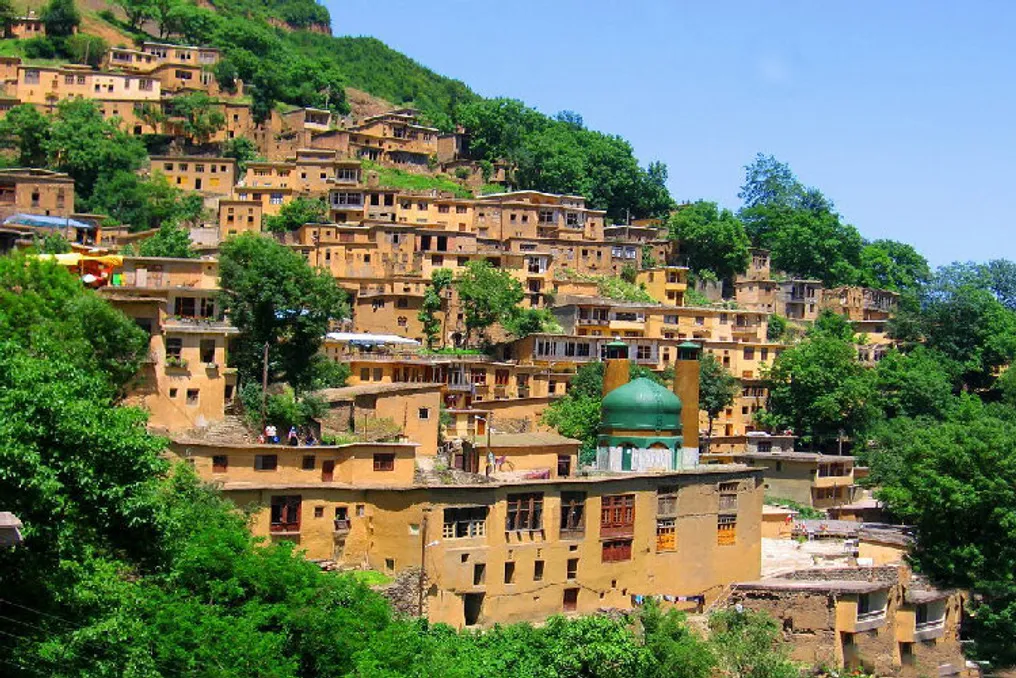
The International Council on Monuments and Sites (ICOMOS) is continuing the evaluation process of the cultural landscape of Masuleh for inclusion in the UNESCO World Heritage List. An international ICOMOS expert is conducting field inspections and participating in specialized meetings dedicated to the architectural, archaeological, ecological, and socio-economic heritage of this Iranian city.

The current assessment, taking place in Gilan province in northern Iran, examines various aspects of Masuleh and its surrounding area. These aspects include physical structure, ecological features, local livelihoods, social structures, and governance methods, according to data from the Ministry of Cultural Heritage, Tourism, and Handicrafts.

The assessment program involves on-site inspections and discussions with university professors, researchers, and heritage specialists. The main goal is to ensure the preservation of the Outstanding Universal Value (OUV) of the city while guaranteeing its long-term conservation and sustainable development.

As part of this assessment, the ICOMOS expert visited the Museum of Archaeology and Anthropology in Rasht. Historical collections from the entire Gilan province were displayed there, including archaeological finds from Old Masuleh. Among the exhibited artifacts were the silver-gilded cup of Rashi and the gold cup of Tole from Talesh, which testify to the ancient history of the region and developed metalworking traditions.

Specialists also reviewed the results of archaeological excavations and experimental archaeology, paying particular attention to studies of historical iron production technologies. Researchers presented data from a project that included the reconstruction and experimental work of ancient furnaces for smelting iron, thereby illuminating the industrial history of Masuleh.

Last year, an interdisciplinary research group successfully reconstructed a medieval complex for iron smelting and casting at the Old Masuleh archaeological site. This reconstruction demonstrated the technological capabilities of the communities that once inhabited the area.

The project, led by Farzad Asadi, a lecturer at Islamic Azad University, involved the experimental reconstruction of a four-stage furnace system, which was documented over approximately two decades of archaeological investigation. The experiment went beyond simply restoring the physical structure; researchers studied its operational characteristics, such as airflow, thermal efficiency, and the production process from sponge iron to cast iron.

The reconstructed complex featured channels with preheated air, permanent stone structures, and a specialized casting setup, distinguishing it from simpler, temporary smelting furnaces. Laboratory analysis of the resulting slag and iron also indicated high material purity and significant control over the production process.

Mostafa Pourali, director of the Masuleh nomination dossier as a World Heritage site, reported that the second, more detailed phase of the reconstruction revealed technological links to broader Iranian furnace types. These findings suggest the potential role of Old Masuleh as a permanent center for iron production and a hub for technological exchange along historic trade routes connecting Iran with the Caucasus and Central Asia. This research is expected to be published internationally.

Beyond its archaeological significance, the furnace reconstruction added an industrial dimension to the understanding of Masuleh's cultural landscape, showing that the settlement's historical importance extends beyond its distinctive architecture and natural surroundings.

Other discussions during the ICOMOS assessment concerned sustainable management and community-based conservation. Participants reviewed approaches to managing the historic settlement through active resident participation while protecting its terraced residential structure and maintaining the link between people, the mountain environment, and traditional livelihoods.

The program also included ecological studies and archaeobotanical surveys. These interdisciplinary investigations aim to improve the scientific documentation of the region's historical ecological conditions and the relationship between past communities and their natural environment.

Meetings also addressed the physical preservation of Masuleh, including building codes, the use of traditional building materials, appropriate restoration methods, and managing changes in the vulnerable mountain settlement. According to the Iranian dossier, Masuleh dates back 800 to 1000 years. Its numerous cemeteries, located both inside and outside the settlement, are one of the archaeological evidences of its historical depth.

The city is particularly distinguished by its multi-story, terraced urban planning, which follows the contour of the surrounding mountains. The architecture is closely integrated with the natural landscape, and the placement of buildings allows the roofs of lower houses to function as pedestrian areas and inner courtyards for upper levels. The traditional architectural composition also reflects the importance of craftsmanship and the visual character of the settlement. Since the main facades of the houses are visible to residents and visitors, local builders and artisans paid great attention to appearance and architectural details.

The nomination dossier describes the combination of traditional architecture and natural scenery as a potential basis for tourism development, while acknowledging the close relationship between tourism and the preservation of local livelihoods. The final stage of the assessment emphasizes the need to view Masuleh as an integrated cultural landscape, rather than merely an architectural attraction. Its historical buildings, traditional industries, archaeological remains, ecological setting, and resident community collectively contribute to its heritage value.

The ongoing ICOMOS assessment is a crucial step in the international review of Iran's nomination. ICOMOS acts as an advisory body to UNESCO on cultural heritage nominations, conducting expert evaluations before the World Heritage Committee considers the possibility of listing the site.
Similar stories

Politecnica, Park Associati and AMDL CIRCLE win competition for cultural hub in Valle Camonica, a UNESCO World Heritage site in Italy
Read more
archdaily.com.br

Politecnica, Park Associati and AMDL CIRCLE win competition for cultural hub in Valle Camonica, a UNESCO World Heritage site in Italy

A team composed of Politecnica Building for Humans, with Park Associati and AMDL CIRCLE acting as co-leaders of the architectural project, and Studio Mattioli responsible for geology and archaeology studies, won the competition to establish a new cultural hub in Ceto, Italy.

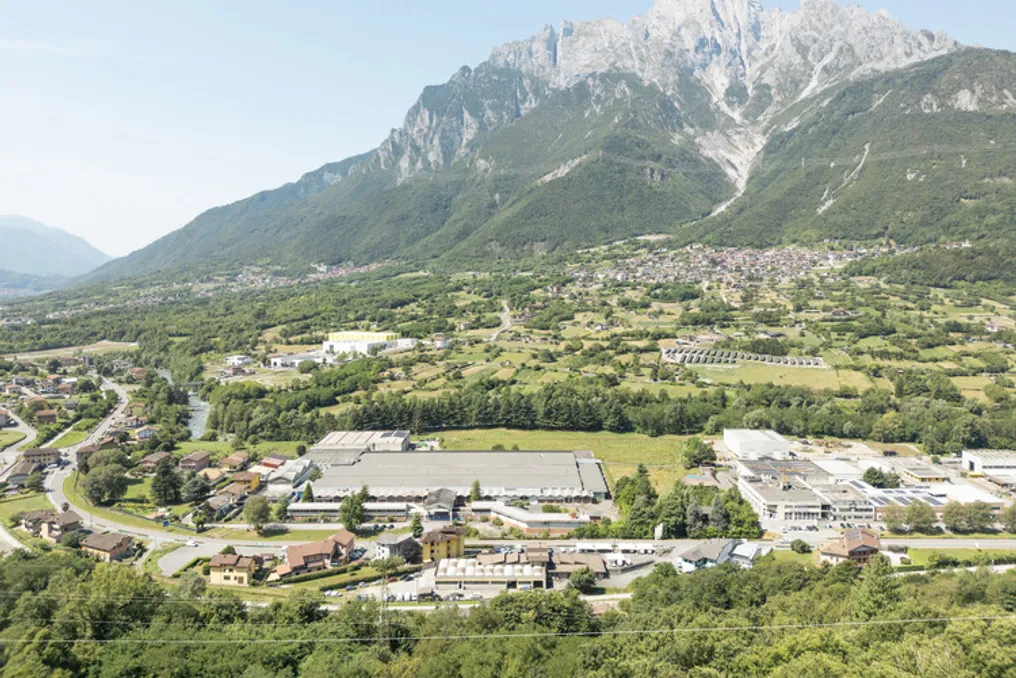
This project aims to transform the former Società Filati Niggeler & Kupfer textile factory into a multifunctional complex. This new space will include areas dedicated to exhibitions, research installations, an auditorium, and various visitor support services.

Located in Valle Camonica, an area renowned for its prehistoric rock carvings, the conceptual proposal integrates industrial heritage, archaeology, and the surrounding landscape.

Ceto is situated in the southern part of Valle Camonica, belonging to the province of Brescia, near Monte Concarena and Pizzo Badile Camuno. The valley houses the Rock Art of Valle Camonica, which was recognized as Italy's first UNESCO World Heritage Site in 1979. The prehistoric carvings, known as Pitoti, represent a vast record of early human manifestations.

Furthermore, the expanded region is part of the UNESCO Man and the Biosphere Programme Biosphere Reserve 'Valle Camonica – Alto Sebino' since 2018.

The winning solution prioritizes the landscape in the development of the site, adopting as its main guideline the connection between cultural heritage, the natural environment, and the local population. The drawings engraved on the rocks guide a methodology that takes into account material characteristics, geological conditions, and the shape of the territory.

The project was also conceived as accessible infrastructure, intended to be the starting point for a network of trails connecting archaeological sites to the natural environment.

This initiative fits into a broader cultural context in Valle Camonica, which submitted its application to be the Italian Capital of Culture in 2029. This year will celebrate the 50th anniversary of the inclusion of the Rock Art of Valle Camonica in the UNESCO World Heritage List. The cultural hub aims to strengthen the region's cultural infrastructure, uniting archaeological legacy, landscape, and community-focused facilities.

The competition was organized by the Municipality of Ceto, with the Comunità Montana di Valle Camonica acting as the contracting authority and Imago, under the direction of Luca Molinari, coordinating scientifically. Politecnica Building for Humans is responsible for general coordination, structural and building systems engineering, sustainability, fire safety, acoustics, health, and mobility. Park Associati and AMDL CIRCLE lead the architectural design, while Studio Mattioli supervises the geology and archaeology studies. The project is currently in the planning phase, with a projected start in 2026.

Restoration of Sasanian bas-reliefs in Naqsh-e Rustam nears completion after three decades of work
Read more
www.tehrantimes.com

Restoration of Sasanian bas-reliefs in Naqsh-e Rustam nears completion after three decades of work

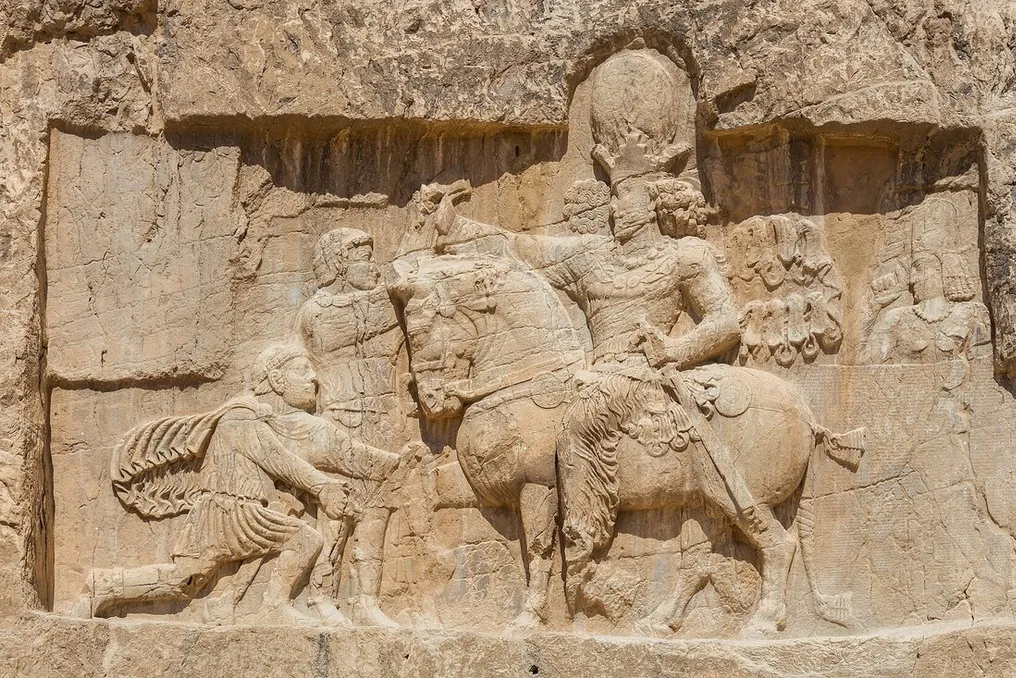
The restoration work on the Sasanian era bas-reliefs at Naqsh-e Rustam, one of Iran's most important archaeological sites, is nearing completion. These conservation efforts began back in the 1990s, and work continues on the bas-relief depicting Shapur II, an object employee reported.

Mostafa Rahshandehkhou, head of the Naqsh-e Rustam complex and curator of its conservation and restoration workshops, told the Iranian Students' News Agency (ISNA) that over many decades, more than eight Sasanian bas-reliefs have been restored to preserve their artistic and historical value.

The current work on the Shapur II bas-relief marks a decisive stage in this long-term project, bringing the restoration program to its final phase, according to Rahshandehkhou.

Rahshandehkhou emphasized that preserving historical monuments requires more than just physical intervention. This process includes detailed research, expert assessments, making informed decisions, and the careful application of appropriate conservation methods.

According to information provided to ISNA, 'the main goal is to preserve the authenticity of the monument, control destructive factors, and create conditions that will help ensure its long-term survival.'

He added that compiling a restoration plan tailored to the condition of the Shapur II bas-relief, as well as its review and approval by relevant authorities, was particularly important. The work, based on the approved plan and executed according to professional conservation standards, guarantees the adequacy of interventions to the specific circumstances of the monument.

The employee noted that the experience gained over decades at Naqsh-e Rustam has demonstrated the importance of continuous preservation efforts, technical expertise, and careful monitoring when protecting archaeological remains.

In his words, historical monuments are subject to various destructive influences over time, making long-term planning necessary for their preservation for future generations. He also stressed that the value of the project lies not only in the completion of the restoration work but also in the methods used, adherence to scientific principles, and responsibility towards cultural heritage.

Rahshandehkhou concluded that the acquired experience can serve as a model for other preservation projects, emphasizing that understanding the characteristics and condition of each monument and selecting suitable techniques are key to preventing unnecessary interventions and increasing the longevity of restoration work.

Naqsh-e Rustam, located in Fars province near Persepolis, contains monuments from various periods of ancient Iranian history. The site is particularly significant due to its Achaemenid rock-cut royal tombs and Sasanian bas-reliefs carved into the cliff face.

The Sasanian Empire, which ruled Iran from 224 to 651 AD, left behind a vast artistic and archaeological legacy. The bas-reliefs at Naqsh-e Rustam depict military victories, royal ceremonies, and scenes related to the power of Sasanian rulers, providing important information for studying the political history and artistic traditions of that period.

The rock monuments at this site are adjacent to tombs attributed to Achaemenid kings, making Naqsh-e Rustam an important archaeological landscape encompassing various eras of ancient Iranian civilization.

These bas-reliefs are not merely works of art; they serve as historical records, helping researchers study the royal representation, political power, and cultural traditions of the Sasanian period. The site's proximity to Persepolis, the ceremonial capital of the Achaemenid Empire and a UNESCO World Heritage site, further underscores its importance in Iran's archaeological heritage.

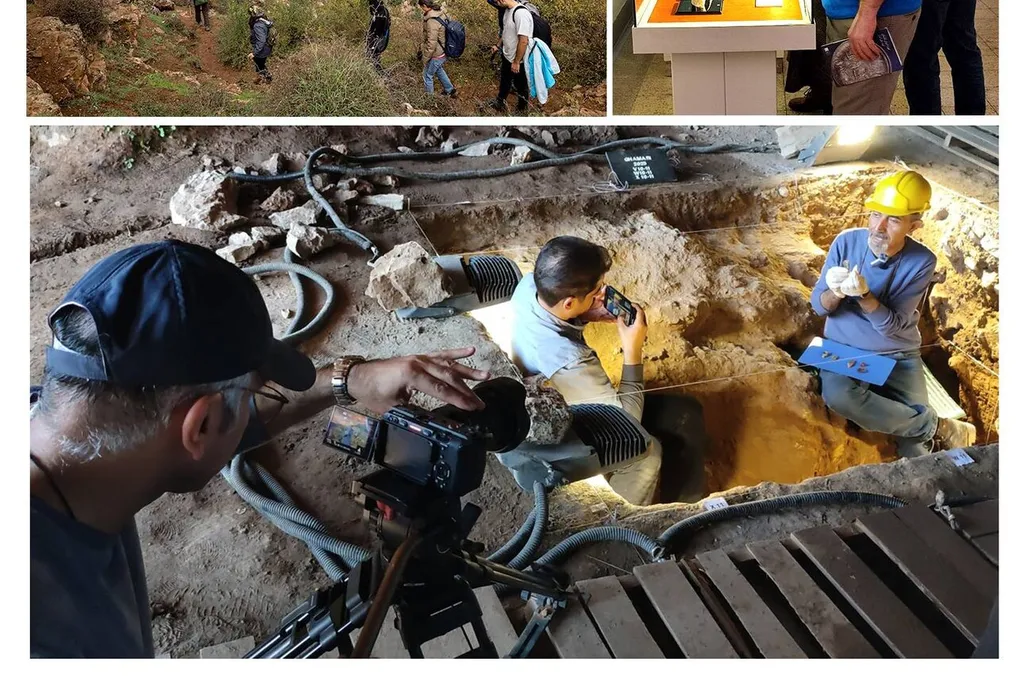
International Archaeology Day: An Overview of Paleolithic Heritage and Iranian Museums
Read more
www.tehrantimes.com

International Archaeology Day: An Overview of Paleolithic Heritage and Iranian Museums

On October 17th, archaeologists and cultural institutions worldwide observe International Archaeology Day, emphasizing archaeology's contribution to understanding human history. This day also prompts reflection on the broader role of archaeology in reconstructing human history, studying changing relationships between people and the environment, and disseminating scientific knowledge to the public through museums and other cultural institutions.

In Iran, this day offers a valuable opportunity to recognize heritage that extends far beyond monumental architecture and written records. Long before the emergence of urban centers, groups of people inhabited the Iranian Plateau and its mountain ranges, developing stone tool technologies and other early technologies, adapting to changing climatic conditions, and utilizing a wide spectrum of environments.

The Paleolithic represents the longest period of this history and places Iran at the center of important discussions concerning human evolution, the dispersal of hominins across Eurasia, and adaptation during the Pleistocene.

Situated between Southwest Asia, the Caucasus, Central Asia, and the Indian subcontinent, Iran encompasses an astonishing diversity of landscapes and ecological conditions. These environments formed part of the geographical context in which prehistoric populations migrated, settled, and adapted. Therefore, Iran should be viewed not merely as a corridor between better-known prehistoric regions, but as a unique archaeological landscape with real potential for future research into early human settlement, Neanderthal behavior, and Homo sapiens dispersal.

The earliest chapters of Iran's Paleolithic record are documented primarily through concentrations of stone tools found in open areas and sedimentary layers. Sites such as Kashafrud in northeastern Iran and Dehtal north of the Persian Gulf have contributed to discussions about Lower Paleolithic settlement. Nevertheless, important questions remain regarding chronology, stratigraphic integrity, and the link between artifacts and their depositional context. Resolving these issues requires meticulously planned field surveys, critical reassessment of existing collections, and reliable dating where suitable materials and archaeological contexts are available. The Darband Rashchi Cave is a key example where modern dating methods and lithic materials associated with faunal remains in a stratigraphic context help deepen the understanding of the Lower Paleolithic in Iran.

The Zagros Mountains hold particular significance for understanding the Middle and Upper Paleolithic in Iran. Caves, rock shelters, and high-altitude valleys preserve archaeological sequences that provide evidence of Neanderthal technologies, subsistence strategies, and responses to environmental change. These records are also crucial for studying the arrival and subsequent expansion of modern humans, as well as the cultural and demographic processes associated with the transition from the Middle to the Upper Paleolithic. Together, they serve as a valuable foundation for studying how human populations occupied and adapted to the diverse conditions of the Iranian highlands.

In recent decades, Iranian archaeologists have advanced Paleolithic research through independent projects and, in some cases, in collaboration with international colleagues. Their work has expanded fieldwork, strengthened analytical capabilities, and drawn attention to Iran's prehistoric heritage within the international archaeological community.

The contribution of Iranian women archaeologists has been particularly significant, fostering the development of scientific knowledge, expanding research perspectives, and strengthening the foundations of the discipline. Dr. Marjan Mashkoor has made substantial contributions to zooarchaeological studies, deepening the understanding of past subsistence strategies, human-animal relationships, and interactions between human populations and their environments. Through her teaching and mentorship, she has also trained and helped shape a new generation of Iranian zooarchaeologists, many of whom now conduct research in institutions across Iran, advancing the field nationally. Her work demonstrates how specialized research can enrich museum collections and exhibitions, helping visitors understand how animal remains recovered from archaeological sites serve as evidence of past diets, economies, and human-animal relationships.

Dr. Sonia Shidrang has also made vital contributions to Paleolithic research and the international recognition of Iran's prehistoric heritage, notably through her involvement in the UNESCO nomination for the Prehistoric Sites of the Khorramabad Valley, which were inscribed on the World Heritage List in 2025. Beyond research and heritage management, her commitment to teaching and organizing seminars at Shahid Beheshti University and other institutions has helped transmit specialized knowledge and practical skills to a new generation of student archaeologists. Their work illustrates how Iranian women archaeologists contribute not only to scientific research and international cooperation but also to the development of the national research base and the future of the discipline.

Field archaeology is equally important for heritage management, especially when development projects threaten archaeological sites and landscapes. The rescue archaeology program at the Darian Dam in the Sirvan Valley, conducted in 2015–2016, demonstrated the importance of archaeological investigation in a rapidly transforming landscape. While rescue archaeology cannot replace in-situ preservation, it can document threatened remains and recover information that would otherwise be lost. The project also underscores why prehistoric landscapes, even without monumental structures or visible architectural remains, must be recognized as integral components of Iran's cultural heritage.

The Khorramabad Valley holds a unique position within this broader archaeological landscape. Its caves, including Kunjji, Yafteh, and Gamari, hold vital evidence for reconstructing Paleolithic lifestyles and studying long-term occupation of the Zagros. The inscription of the Prehistoric Sites of the Khorramabad Valley on the UNESCO World Heritage List in 2025 was a major achievement for Iranian archaeology. As a member of the nomination group, I personally witnessed the importance of a rigorous scientific basis to ensure the international recognition of archaeological heritage. This inclusion provides a crucial opportunity to advance archaeological research, strengthen site management and conservation, and communicate the valley's significance to local communities and the international audience.

My work in Gilan province has also led to a dialogue between prehistoric studies and broader cultural heritage issues through my participation in the UNESCO nomination for the Masuleh Cultural Landscape. This experience highlighted the value of studying cultural landscapes across different time periods, taking into account the ecological and historical processes that shaped them. Archaeological research can extend this perspective beyond existing architectural structures and documented history to explore deeper connections between people and their environments.

Museums play a crucial role in connecting archaeological research with public understanding. In 2001, I headed the creation of the Paleolithic Gallery at the National Museum of Iran to present archaeological evidence in a format accessible to a wider audience. Stone tools may seem simple at first glance, but their technological characteristics, raw materials, and archaeological contexts can reveal important aspects of past human behavior upon careful interpretation. The task of museums is to clearly convey these findings while maintaining the scientific context necessary for their interpretation.

The establishment of the Zagros Paleolithic Museum in Kermanshah extended this work to a region whose archaeological heritage constitutes a significant part of Iran's Paleolithic legacy. Regional museums are particularly valuable because they connect archaeological discoveries to the landscapes and communities from which the evidence originates. Recently developed Paleolithic exhibits at the Lorestan Archaeological Museum in 2024 further reinforced the representation of Western Iran's prehistoric heritage within its regional context. National and regional institutions together can help the audience appreciate the diversity of Iran's archaeological heritage and its contribution to our understanding of human history.

Museums also play a central role in the responsible management of archaeological collections. The scientific value of an artifact depends not only on its physical characteristics but also on its provenance, stratigraphic position, and connection to other evidence. When these interconnections are lost, important opportunities for interpretation and future research diminish or disappear entirely. Therefore, documentation, preservation, and responsible curatorial practice must remain integral parts of archaeological practice.

International Archaeology Day provides a moment to acknowledge the scientific and public value of Iran's Paleolithic heritage. Advancing research requires continuous fieldwork, renewed study of existing collections, interdisciplinary collaboration, and strengthening the links between research institutions and the public. Such efforts can more fully integrate Iran's archaeological heritage into international scientific debates while ensuring that future generations of researchers have access to the evidence, expertise, and institutional resources needed to study it.

As Head of the Paleolithic Department at the National Museum of Iran, my experience in fieldwork, museum development, and UNESCO nominations has underscored the importance of linking scientific inquiry with public interpretation and long-term heritage management. Archaeology achieves its greatest value when discoveries contribute not only to scientific understanding but also to a broader recognition of the common human past. Iran's Paleolithic heritage offers an exceptional platform for advancing this understanding, connecting the history of human adaptation in deep antiquity with the responsibilities of scientific research and cultural stewardship today.

Popular