What is a sealed belt (seal-band) and why is it important for wall strength
Read more
Aaj Tak
www.aajtak.in

What is a sealed belt (seal-band) and why is it important for wall strength

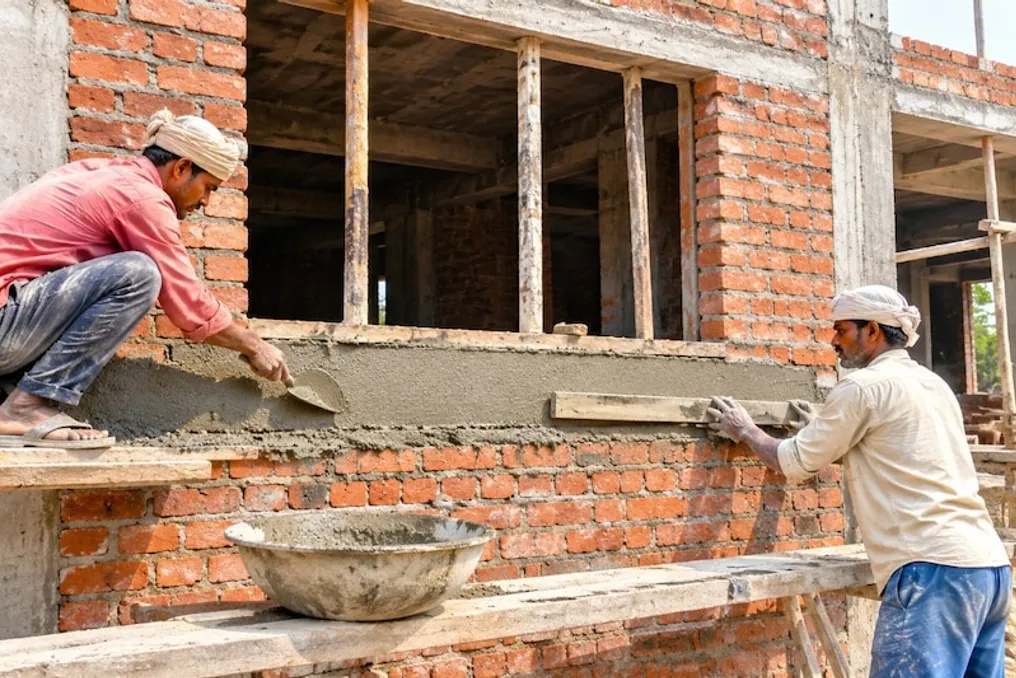
A thin layer of concrete can often be seen between walls. This strip, located closer to the bottom edge of the window, is called a sealed belt, or seal-band. Essentially, it is a horizontal concrete strip installed in the rebar grooves during house construction.

Simply put, it is a thin column located between the walls. It is usually placed above the brick wall at the lower level of the window. This element is critically important for ensuring the strength of the wall, especially in areas where windows or door openings are provided.

The main function of the seal-band is to prevent cracks from appearing in the wall. It stops cracks that develop over time in the corners of windows and at the bottom of the walls. Additionally, it evenly distributes the weight of the upper wall and the window frame onto the lower bricks.

This element provides protection in case of earthquakes. By strengthening the wall, it helps the building withstand minor seismic tremors and keeps all the masonry together, thereby increasing the wall's cohesion.

Thanks to the seal-band, the integrity of the walls is strengthened. It provides better structural support, preventing the wall from shifting or collapsing. Typically, it is installed at a height of about 3 feet (36 inches or 900 mm) from the floor, corresponding to the lower level of the window, and this level is called the seal-level.

The thickness of this reinforced concrete belt is usually from 3 to 4 inches (75 mm to 100 mm), and its width is equal to the thickness of the wall itself. A sealed belt is necessary for every wall. It functions as a ring between the foundation strip and works with columns to give the entire house a strong structure.

Similar stories

How to hide damp and dirty walls in your home before Diwali without painting
Read more
www.aajtak.in

How to hide damp and dirty walls in your home before Diwali without painting

As the festival of Diwali approaches, everyone strives to make their homes look bright and festive. Some buy new curtains, while others decorate the house with various decorations. However, sometimes one damaged wall can spoil the beauty of the entire room, especially if there are signs of dampness, peeling paint, or black mold on the wall. Even after thorough cleaning, the house may look old and untidy.

In such cases, people often consider repainting or applying plaster, but this can require significant expense. Fearing that the budget might get out of control, many cancel such plans. If you also want to hide the damp walls of your home with minimal cost before Diwali, there are several clever ways that can help you. With these methods, you can conceal unsightly parts of the wall using decorations and give the room a new look. Nevertheless, it should be remembered that these methods do not eliminate the cause of the dampness; to do so, the source of moisture in the wall must be addressed.

Masking cracks and stains with wallpaper

If there are stains or peeling paint on a room wall, it can be updated by using wallpaper. There are many wallpaper designs available on the market. You can choose floral, marble, brick, or wood patterns according to your preferences, which will make the room wall beautiful. However, before sticking up wallpaper, be sure to check the wall. If there is dampness or mold in the wall, you cannot stick wallpaper directly onto it, as moisture may remain inside, promoting mold growth. Therefore, the dampness problem must first be eliminated and the wall thoroughly dried before wallpapering.

Decorating the wall with paintings or photo frames

If there are signs of dampness on a specific area of the wall, you can make the room more attractive by placing a large picture or photo frame there. This avoids the need to paint the entire wall. You can hang family photos, beautiful paintings, or traditional art according to your taste. During Diwali, colorful photo frames or paintings can give the room a fresh look. Furthermore, if there is dampness in the wall, the frame should be placed slightly away from the wall. It is also important to periodically check the space behind the frame to notice any moisture or mold in time.

Hiding damaged parts of the wall with houseplants

If you enjoy keeping plants at home, you can place houseplants in large pots in front of the damp wall. Plants such as Areca palm, Sansevieria, and Monstera give the room a beautiful appearance. You can also use beautiful pots for them. If desired, you can create a small green corner by placing two or three pots of different shapes together. This will partially hide the damaged area of the wall and add greenery to the room. However, the pots should not be placed flush against the wall; a small space must be left around them for air circulation and to prevent increased humidity.

Giving the wall a new look with wall panels

If you want to make the wall stylish, you can install decorative wall panels on it. PVC panels and other materials are available on the market in various designs and price ranges. You can choose them according to your preferences to give a new look to part of the wall. However, it should be remembered that installing wall panels does not solve the dampness problem. If there is moisture in the wall, the panels can trap mold inside, worsening the problem. Therefore, you must first find out the cause of the dampness and eliminate it before installing the panels.

Decorating the wall with curtains

If you want to decorate the room with minimal cost for Diwali, you can use beautiful curtains or fabric. You can hang a beautiful curtain on a stand in front of the wall or choose fabric that harmonizes with the overall room decor. This can give the room a new and beautiful look. You can choose light-colored or traditionally designed fabric according to your taste. However, fabric should not be hung directly on a wet or moldy wall, as this can lead to odor and moisture in the fabric. The fabric should be placed at some distance from the wall, and there must be a place for ventilation in the room.

Creating a beautiful corner with lighting and decorations

To decorate the room for Diwali, you can create a small decorative corner in front of the wall. For this, place a small table next to the wall and decorate it with decorative lamps, lanterns, a bouquet of flowers, or other beautiful items. You can also add garlands around the table. This will create a Diwali atmosphere in the room, and people's attention will be drawn to the decoration, not the wall. It is important to ensure that electrical lamps and decorative items are not in contact with damp areas.

How Material Selection Affects Modern Additions to Historic Buildings
Read more
archdaily.com.br

How Material Selection Affects Modern Additions to Historic Buildings

The vertical expansion of a historic building poses a challenge that goes beyond simply creating additional space: how can modern intervention engage in a dialogue with the character of the existing structure? The choice of construction materials plays a key role in establishing a connection between different construction periods, whether the goal is to supplement the existing building or create a more distinctive architectural expression.

An example of this approach is the LH Residential Building in Varna, Bulgaria, designed by the STARH bureau. There, fiber cement helped establish a link between the modern addition and the historical base. Fiber cement, being a composite material made of cement, water, reinforcing fibers, and other additives, combines relative lightness with high strength and durability ratings.

The variety of colors, textures, panel sizes, and installation methods of fiber cement offers architects numerous opportunities to develop facades for modern buildings that harmonize with the historical context. Solutions such as fiber cement panels from Swisspearl offer various surface finishing options, making this approach feasible.

Understanding Fiber Cement

In the case of the LH Residential Building, a clear concept for the external appearance and finish was initially formed, which had to correspond to the original plastered facade.

Builders use clay pots when constructing a roof: explanation of their purpose
Read more
www.aajtak.in

Builders use clay pots when constructing a roof: explanation of their purpose

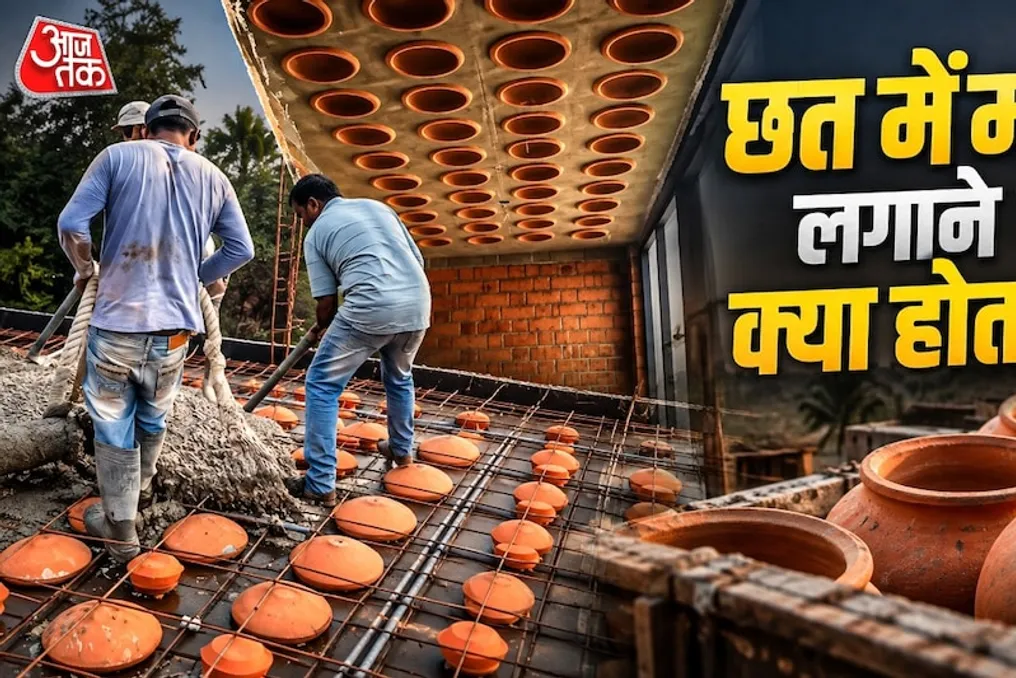
During the construction of residential buildings, it is often observed that contractors order clay pots before pouring the roof. This raises questions among people: why are pots needed in the center of the roof? Are they used to strengthen the structure, or are there other reasons?

In fact, clay pots or other hollow blocks are used in some specific types of construction when creating a roof. They are placed according to the roof design. The goal may be to reduce the amount of concrete in certain parts of the roof and decrease the overall weight of the structure.

Additionally, sometimes contractors install pots in parts of the house or balcony to create a decorative pattern, which is later destroyed during the design finishing process.

It is important to note that such pots are not required in all houses.

There are several advantages to using pots in a roof. Firstly, they help reduce the overall weight of the roof. Since the pots are hollow, their use in certain structures allows for a reduction in the volume of concrete, thereby decreasing the total mass of the roof. However, this effect is achieved only if the roof design was originally developed in this manner.

Secondly, there may be concrete savings. In areas where monolithic concrete is not required according to the design, hollow pots or blocks can be used. This can reduce concrete consumption. Nevertheless, the cost of the pots themselves and the costs of their installation must be taken into account.

Thirdly, pots allow the roof to have a special design. Clay pots or tiles are used in some traditional and decorative roofs to form a unique pattern under the roof. Sometimes the design visible after construction completion is part of this process.

One of the significant benefits is assistance in heat protection. Since there is air inside the clay pot, when used in a specific construction technology, the trapped air can help reduce heat impact. This can help maintain a lower temperature inside the house to some extent.

Another advantage is concrete saving. When building a roof using some special methods, pots are used, which reduces the amount of concrete in certain sections. This can lead to material savings and construction costs reduction. However, this gain depends on the roof design and its construction method.

It entirely depends on what purpose the pots were installed for. If they are used as a permanent part of the roof design, they do not necessarily need to be destroyed. However, if they were used as a temporary template within some construction process, they may be dismantled later.

One cannot assume that every contractor installs pots in the roof solely to destroy them later and create a design. The reason for this action is determined by the construction method and the roof plan.

The mere installation of pots does not make the roof stronger. The strength of the roof depends on its design, the quality of the concrete, the reinforcement, the level of construction, and the engineer's plan. If the pots are installed in the wrong place or the reinforcement and concrete system is compromised, it can affect the safety of the roof. Therefore, when constructing a roof, you should ask the contractor why the pots are being installed. It is also necessary to ensure that the roof is being built according to the design of a qualified structural engineer.

Popular