Baghdad seeks to strengthen pharmaceutical cooperation with Tehran
Read more
Tehran Times
www.tehrantimes.com

Baghdad seeks to strengthen pharmaceutical cooperation with Tehran

Iraq has called for the expansion of pharmaceutical interaction and joint investments in healthcare infrastructure with Iran, emphasizing the potential to strengthen bilateral ties in the medical field.

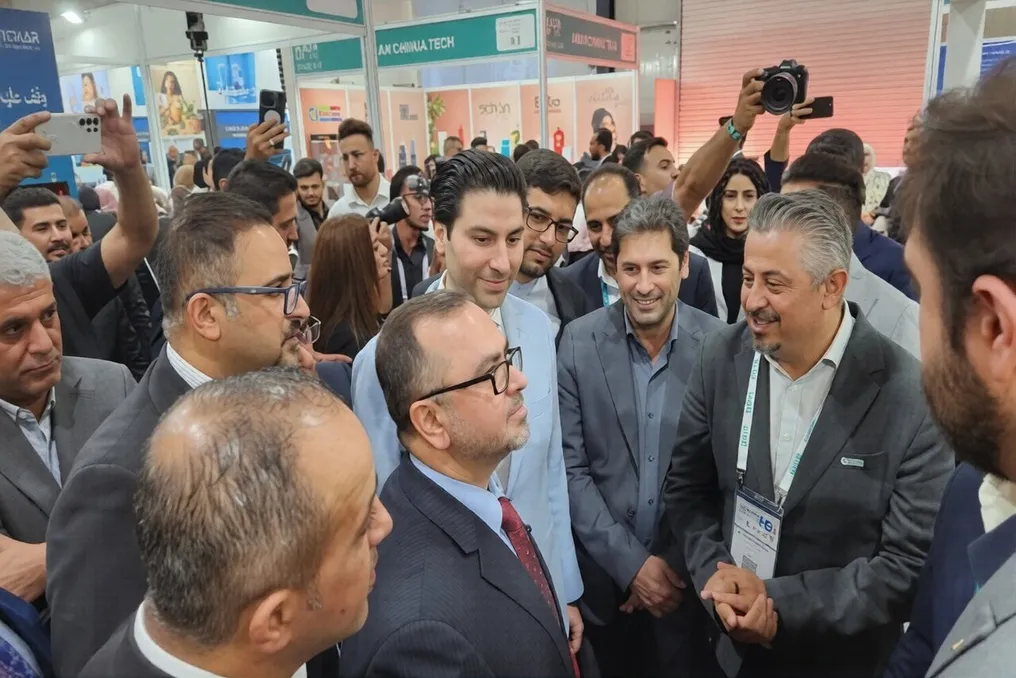
The Iraqi Minister of Health, Abdul Hussein Aziz Al-Musawi, accompanied by deputy ministers, visited Iranian pavilions at the Health Expo Iraq exhibition, which took place from October 28 to 31 at the Baghdad International Fair. According to Mehr News Agency, the Iranian delegation provided Iraqi officials with information about the participation of about 30 Iranian companies, which showcased over 40 product brands across various sectors.

These sectors included pharmaceuticals, food supplements, raw materials, equipment, technology transfer, medical supplies, condensed milk, cosmetics, and hygiene products. During the visit, Al-Musawi highlighted the importance of deepening partnership with Iran, including establishing joint pharmaceutical production facilities, setting up common forums and specialized platforms for healthcare interaction, and expanding the production base with the participation of Iranian firms.

The sixth session of Health Expo Iraq, the country's annual international medical exhibition and congress, offered health goods producers from Iran a valuable opportunity to enter the Iraqi market and increase their business in the neighboring country. The exhibition gathered a wide range of services and products, such as laboratory equipment, medical devices, pharmaceuticals, hospital consumables, and healthcare services.

Furthermore, seminars, workshops, and panel discussions were held at the exposition, contributing to the exchange of experience and knowledge among industry specialists, as well as the formation of new business contacts. The Iranian delegation organized its pavilions to demonstrate the achievements and products of Iranian science-oriented enterprises, establish links between Iranian and Iraqi experts and stakeholders, conduct B2B meetings, and identify the needs of the Iraqi health market.

Iraq, with a population exceeding 46 million people and a pharmaceutical market valued at $4 billion, is one of the largest healthcare markets in West Asia. The country plans to cover 70 percent of its pharmaceutical needs through domestic production by 2027.

In October, the Iraqi ambassador to Iran, Yasser Abdulzahra Al-Hajjaj, stressed that scientific cooperation between the two states should go beyond attracting students and include joint research projects, the exchange of professors and scientists, and the strengthening of technological ties. He noted that universities serve not only as educational institutions but also as bridges for dialogue and expertise exchange between scientists from different countries, particularly Iran and Iraq.

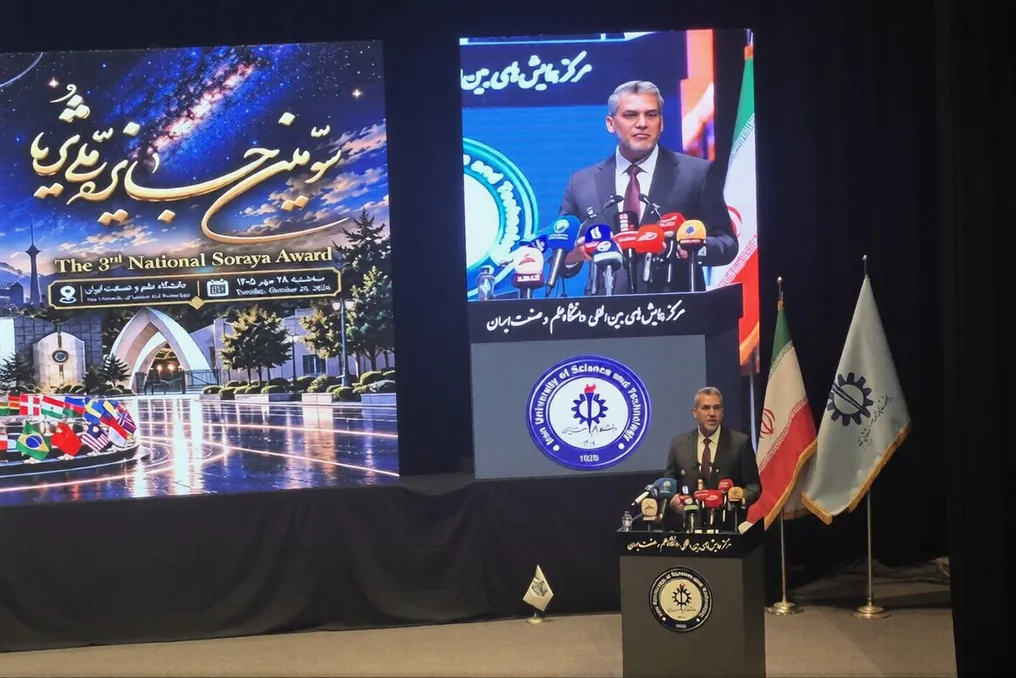
These statements were made during a national festival held at the Iran University of Science and Technology on October 20. Al-Hajjaj reported that thousands of Iraqi students are studying in more than 80 Iranian universities in medical and non-medical fields. He also mentioned that past two-week scientific and cultural events between Iran and Iraq brought together over 70 or 80 rectors from both nations, and more than 250 memorandums of understanding were signed, indicating the successful development of scientific collaborations.

The ambassador noted that the opening of a branch of the Tehran University of Medical Sciences in Iraq has contributed to stabilizing and advancing academic relations between Iran and Iraq. He expressed hope for the soon opening of branches of Tehran University, Sharif University of Technology, and Iran University of Science and Technology in Iraq.

However, according to an official source, since 85 percent of Iraqi students in Iran are employees who will face difficulties studying abroad under new Iranian legislation, he suggested viewing this situation as an opportunity to revise the model of scientific interaction between the parties, rather than a threat. Otherwise, a possible decrease in the number of Iraqi students in Iran could create new problems.

The Iraqi official called for the implementation of joint research projects in the fields of medicine, agriculture, sand and dust, oil, gas, and new technologies such as artificial intelligence. Other issues raised included the development of joint curricula and joint supervision of dissertations.

Previously, on October 18, Mohammad Javad Najafi, Iran's advisor for science in Iraq, and Haider Abd Dahed, Deputy Minister of Higher Education and Scientific Research of Iraq, discussed ways to strengthen academic cooperation between the universities of the two countries, focusing particularly on approaches to problem-solving and meeting domestic and regional needs. The main topics of the meeting were joint research, provision of scholarships, simplification of educational procedures for students, and preparation for the 'Iran-Iraq Third Week of Science'. The parties also discussed conducting joint scientific publications in authoritative international journals.
Similar stories

Iran and Kyrgyzstan aim to expand cooperation in science and technology
Read more
www.tehrantimes.com

Iran and Kyrgyzstan aim to expand cooperation in science and technology

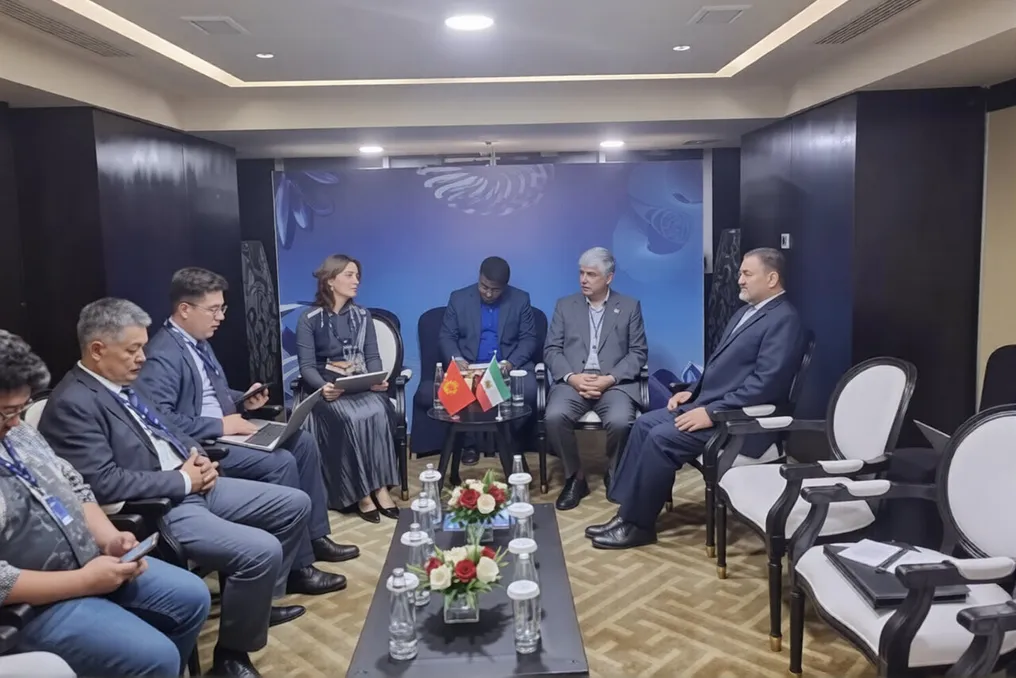
At a meeting held on the sidelines of the 5th World Conference on Creative Economy in Jakarta, official representatives of Iran and Kyrgyzstan called for deepening interaction in the field of science and technology.

The meeting gathered delegates from the Vice Presidency of Iran for Science, Technology, and Economy, as well as a group of high-ranking officials from Kyrgyzstan, including representatives from the ministries of economy and finance, and heads of creative industry parks.

Emphasizing both countries' membership in BRICS, the Iranian side stated its readiness for knowledge-based Iranian companies to export their products to Kyrgyzstan. For its part, the Kyrgyz delegation highly appreciated Iran's significant technological progress and advocated for strengthening bilateral partnership in this area.

In April, Iran's Minister of Science, Research, and Technology, Hossein Simai-Sarraf, and Kyrgyzstan's Minister of Science, Higher Education, and Innovation, Gulzat Isamatova, studied opportunities to activate scientific and technological ties between the two states.

A Kyrgyz official invited the Iranian minister to visit universities and scientific centers in Kyrgyzstan and participate in upcoming scientific conferences, according to the IRNA agency. Simai-Sarraf welcomed the idea of strengthening scientific collaborations and emphasized the need to utilize the potential of science and technology parks for experience exchange and strengthening innovation ecosystems, noting that such steps would form the basis for improving technological interaction between Iran and Kyrgyzstan.

The sides also discussed developing cultural contacts among students from both countries through educational centers where Persian and Kyrgyz language courses will be held.

In September 2024, the Minister of Information and Communications Technology (ICT), Sattar Hashemi, met with his Kyrgyz counterpart to discuss ways to develop cooperation in the ICT sector. This meeting took place on the sidelines of the Asia-Pacific Ministerial Conference on Digital Inclusivity and Transformation in Astana, Kazakhstan, according to the Mehr agency.

Kyrgyz Republic's Minister of Digital Development Nuria Kutnaeva expressed interest in defining joint projects and developing scientific cooperation, stressing the importance of cooperation in the ICT sphere alongside economic and cultural interaction.

During this meeting, the sides also approved cooperation in local platforms and postal matters and decided to prepare a draft memorandum of understanding on this issue.

Furthermore, in April 2025, Iran and Kyrgyzstan held the 14th meeting of their Joint Economic Committee in Tehran to expand bilateral ties in economic, scientific, cultural, and technical fields.

High-ranking officials from both countries attended this meeting, including Iran's Minister of Agriculture, Golamreza Nouri Ghezelj, and Kyrgyzstan's Minister of Economy and Trade, Sakyt Bakyt Tolomushevich. During the meeting, the importance of increasing trade and investment cooperation was emphasized.

At the opening ceremony, Nouri highlighted agriculture, industry, energy, and technology as key areas for joint work. He expressed hope that this event would lay the foundation for substantial growth in trade turnover between the two nations.

Sakyt supported these sentiments, noting the long-standing ties between Iran and Kyrgyzstan dating back to 1992, and stressed the importance of multilateral cooperation through organizations such as the Shanghai Cooperation Organisation and the Eurasian Economic Union.

Iraq seeks to expand scientific ties with Iran through joint research and faculty exchange
Read more
www.tehrantimes.com

Iraq seeks to expand scientific ties with Iran through joint research and faculty exchange

The Iraqi Ambassador to Iran, Yasser Abdulzahra Al-Hajjaj, emphasized the need to expand scientific cooperation between the two states. He noted that this interaction should go beyond simply attracting students and include joint research projects, the exchange of professors and scientists, as well as strengthening technological ties.

According to an IRNA report, universities serve not only as educational institutions but also as bridges for experience exchange and dialogue among scientists from different countries, particularly Iran and Iraq.

These statements were made by Al-Hajjaj during a national festival held at the Iranian University of Science and Technology on Tuesday. He highlighted significant progress in bilateral scientific relations, noting that thousands of Iraqi students are studying at over 80 Iranian universities in medical and non-medical fields.

The past two weeks of Iran-Iraq science brought together more than 70 to 80 rectors from both countries' universities, during which more than 250 memorandums of understanding were signed, indicating a successful experience in expanding scientific cooperation.

The ambassador stated that the opening of a branch of the Tehran University of Medical Sciences in Iraq has contributed to stabilizing and advancing academic relations between Iran and Iraq. Furthermore, he expressed hope for the soon opening of branches of Sharif University of Technology and the Iranian University of Science and Technology in Iraq, as well as the opening of a branch of the University of Tehran in Karbala and Najaf.

Al-Hajjaj also mentioned that Iraq is expanding its educational and research infrastructure, and as the number of local universities increases, most Iraqi students will prefer to study at home. However, given that 85 percent of Iraqi students in Iran are employees who will face difficulties studying abroad under new Iraqi legislation, he proposed viewing this situation as an opportunity to revise the model of scientific interaction.

The Iraqi official called for the implementation of joint research projects in areas such as medicine, agriculture, sand and dust, oil, gas, and new technologies, including artificial intelligence. Other issues raised included the development of joint curricula and joint supervision of dissertations.

On October 18, Mohammad-Javad Najafi, Iran's scientific advisor in Iraq, and Haider Abd Dahed, Deputy Minister of Higher Education and Scientific Research of Iraq, discussed ways to strengthen academic partnership between the universities of the two countries. The main focus was on approaches to solving problems and meeting domestic and regional needs.

The meeting covered key topics such as cooperation in science-oriented research, provision of scholarships, simplification of educational matters for students, and preparation for the 'Third Week of Iran-Iraq Science'. Officials also spoke about conducting joint research, scientific supervision of joint postgraduate dissertations, and publishing joint scientific articles in authoritative international journals.

Another issue raised by both sides was addressing the educational difficulties and problems faced by students in each other's countries. On September 22, Esan Kabul, head of the Center for International Scientific Cooperation of the Ministry of Science, Research and Technology, and Safa Taki Abd Noor Al-Issavi, President of Mustansiriya University, stressed the need to activate technological cooperation and fulfill previously reached agreements.

In Tehran, representatives agreed to conduct joint research and supervise master's theses on common issues facing Iran and Iraq, including economic, social, cultural, agricultural, and industrial challenges. Both sides agreed to actively participate in the Third Week of Iran-Iraq Science. Kabul noted that the Iraqi university should play an effective role in this week by developing and implementing practical and synergistic programs in cooperation with leading Iranian universities.

}))

Popular