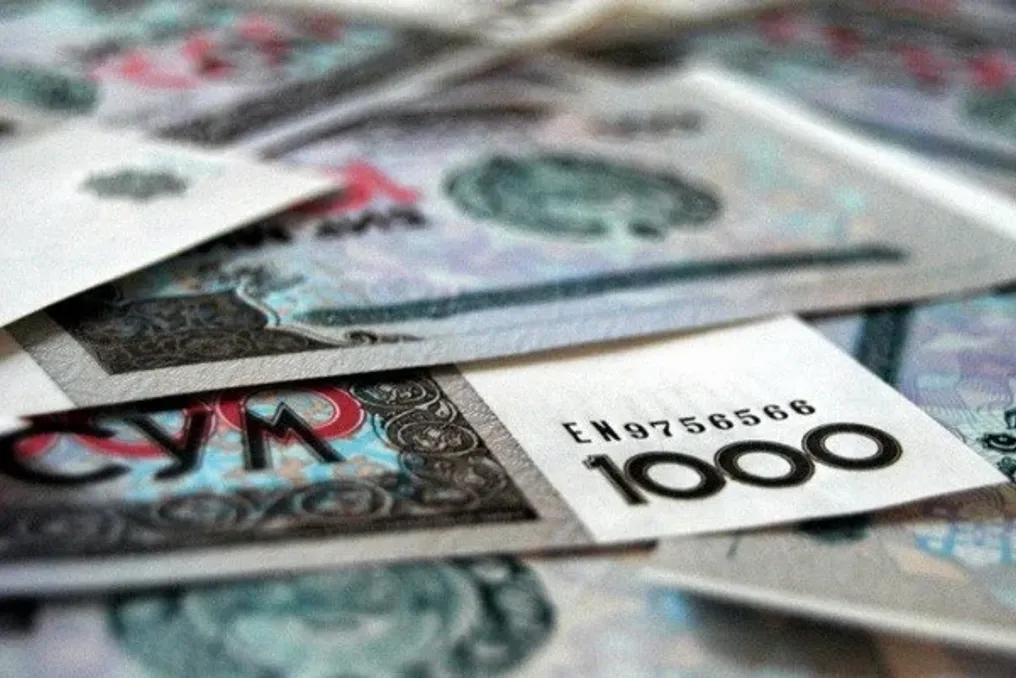
Uzbekistan paid 642.1 billion UZS in subsidies for solar energy to residents
Read more
UzDaily
uzdaily.uz

Uzbekistan paid 642.1 billion UZS in subsidies for solar energy to residents

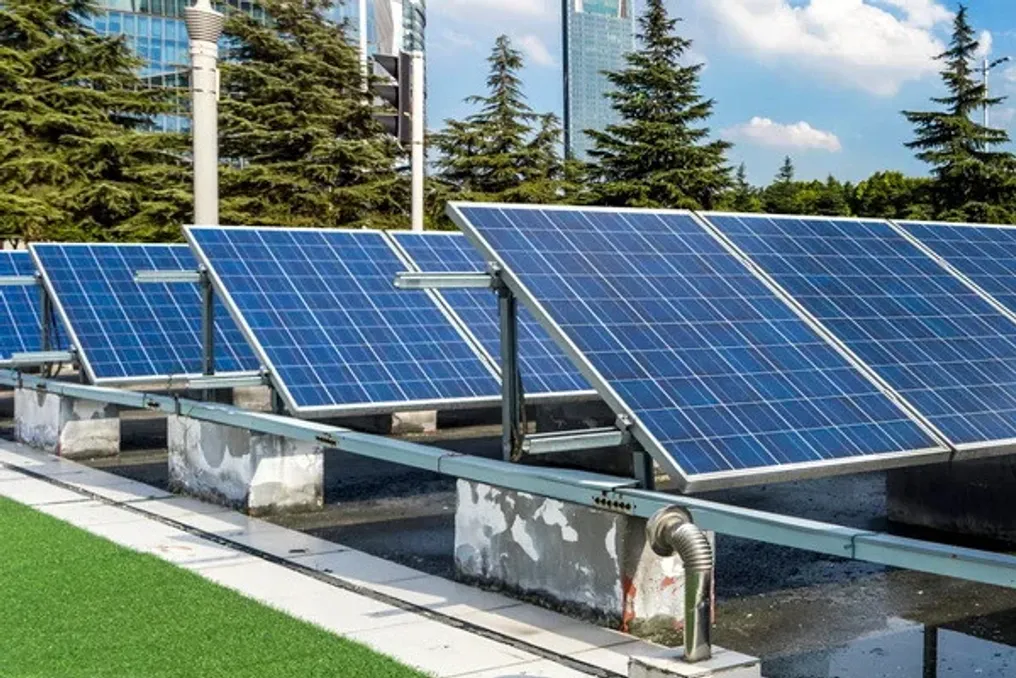
According to the Financial Analysis channel, between January and September 2026, 70,700 residents in Uzbekistan received state budget subsidies totaling 642.1 billion UZS. These funds were allocated for electricity generated by solar panels and fed into the power grid.

The largest payments were made to residents of Bukhara Region, Khorezm Region, and Karakalpakstan Republic. Residents of Bukhara Region received 116.7 billion UZS, while the total amount paid to residents of Khorezm Region was 115.3 billion UZS. Residents of Karakalpakstan received 77.2 billion UZS.

Residents can receive this subsidy through the Soliq mobile application. To do this, users need to log into the 'Cashback and Benefits' service, select the 'Solar Home' section, and then use the 'Transfer to Card' function.

Similar stories

Uzbekistan paid 80 billion sums to families affected by Doc-1 Max
Read more
uzdaily.uz

Uzbekistan paid 80 billion sums to families affected by Doc-1 Max

According to a statement from the country's Ministry of Health press service, families of 88 children affected by the use of the drugs Doc-1 Max and Ambronol in Uzbekistan received a total compensation of 80 billion sums.

In accordance with executive documents issued by the Tashkent Criminal Court, the Enforcement Bureau was supposed to collect 82 billion sums in compensation for the families of 90 affected children.

Initially, an amount of 16.8 billion sums was paid, which accounts for about 20% of the awarded sum. The remaining funds were not received by the families for a long time due to delays in selling property seized from the responsible persons.

To speed up the payment process, the President of Uzbekistan instructed the authorities to ensure full compensation for the material and moral damage suffered by the affected families. A total of 65.2 billion sums was allocated from the state budget to fulfill this instruction.

Of the 80 billion sums already paid, 72.2 billion sums were transferred to the families of 72 deceased children. Another 7.8 billion sums was transferred to the families of 16 children who have undergone or are undergoing treatment.

The remaining 2 billion sums are intended for two other children. The Ministry of Health reported that these payments will be made after resolving technical issues related to bank cards.

It is expected that the funds allocated from the state budget will be returned to the national budget through revenue from the sale of property belonging to the responsible parties, as well as other amounts collected from them.

Meanwhile, representatives of the Ministry of Health and other government agencies, together with doctors from national medical centers, are visiting the affected families to take steps to provide additional medical and psychological support to the children.

Uzbekistan issued education loans totaling 7.7 trillion soums
Read more
uzdaily.uz

Uzbekistan issued education loans totaling 7.7 trillion soums

From 2021 to the end of the third quarter of 2026, Uzbekistan provided educational loans totaling nearly 7.7 trillion soums. The total number of such loans exceeded 663,000.

Over 5.8 trillion soums of the total amount was directed towards supporting the education of women and girls, with more than 515,000 loans issued to them.

This data was presented on October 23 at a consultative meeting dedicated to improving the educational loan system and reforms within the EduImkon program. The Ministry of Economy and Finance of Uzbekistan organized this meeting jointly with the World Bank.

Representatives from the ministry, the World Bank, relevant state agencies, commercial banks, universities, and public organizations participated in the event. The current state of the lending system, achieved results, and ways to improve financing mechanisms and the effective use of budget funds were discussed.

Special attention was paid to the EduImkon program, which is financed by the World Bank with $250 million USD. The goal of this program is to expand equal access to higher education, align education financing with labor market needs, and ensure the long-term financial sustainability of the student loan system.

The meeting also considered targeted support for women and girls, children from low-income families, and students studying priority fields. Participants discussed the digitalization of loan applications, as well as debt monitoring and repayment processes, examining international experience in linking repayment mechanisms to graduates' income.

Plans were presented to develop a financial and economic model for the system with the involvement of international experts, to evaluate the existing digital platform, and to analyze the link between educational loans and labor market requirements. Proposals were also discussed regarding providing loans for studying at top-300 global universities, as well as for short-term professional training and language courses abroad.

Discussions focused on funding conditions and limits, the quality of educational institutions, repayment procedures, and future employment of graduates; these mechanisms are currently at the proposal stage. Furthermore, participants exchanged views on including social and environmental factors, ensuring inclusivity, and improving application and complaint processing procedures. All proposals put forward at the meeting will be taken into account during further reforms, and the ministry will continue its cooperation with the World Bank and other partners to improve the education financing system.
Popular