Выжившие после рака молочной железы делятся опытом преодоления физических и эмоциональных трудностей
Read more
IOL
iol.co.za

Выжившие после рака молочной железы делятся опытом преодоления физических и эмоциональных трудностей

For three women in Cape Town, surviving breast cancer presented ongoing difficulties long after the initial diagnosis, ranging from adjusting to physical alterations to managing the anxiety associated with an unpredictable future.

Finishing cancer treatment does not automatically resolve the emotional burden of the illness. For numerous survivors, the process of accepting their altered bodies, working through their experiences, and rediscovering their identity constitutes another phase of their recovery journey.

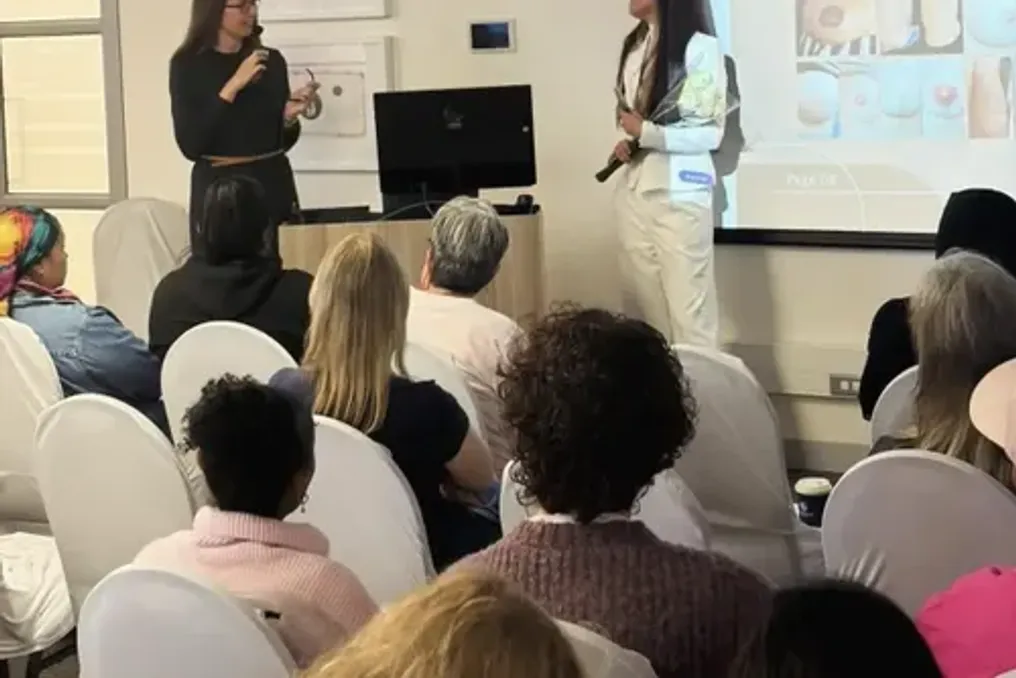
These three breast cancer survivors shared their deeply personal accounts during an awareness gathering organized by Netcare Christiaan Barnard Memorial Hospital in Cape Town on Thursday, October 22. The event, themed 'Whole again: body, self and the journey beyond breast cancer,' aimed to explore both the physical and emotional aspects of enduring cancer treatment and charting a path forward.

Ntombi Moyo discovered the onset of her condition when she observed changes while moisturizing in front of a mirror. Specifically, her left nipple was retracting, and her breast felt noticeably heavier compared to the other side. Initially, she disregarded these shifts, assuming they were normal variations between breasts. However, upon noticing dimpling and further nipple retraction, she recognized the seriousness of the situation and sought professional medical help.

Moyo, who stated she had no family history of cancer, recounted the profound shock of receiving her suspected diagnosis in 2024, shortly after reaching the age of 40. She expressed, 'I was mourning the fact that my life is gone right in front of my eyes.' Her personal account underscored the significant emotional effect a sudden diagnosis can have on an individual's perception of their future.

Carol Naicker, who has navigated her cancer journey for seven years, underwent substantial physical transformations due to her treatment, including a double mastectomy. A crucial element of her recuperation involved learning to accept her body post-surgery. She urged other survivors not to allow the loss or removal of their breasts to undermine their inherent self-worth. Naicker remarked, 'I look at my scars, and I say, you are a beautiful woman.' This mother of three also emphasized the complementary roles of faith and medical intervention in managing the disease, advising, 'Medicine is there for a reason. Your faith is there for a reason. Work with the two.'

Her message centered on acceptance, encouraging women to recognize their value independent of the physical changes induced by cancer therapy.

Michaela Herman's ordeal began amidst uncertainty, even after initially receiving an all-clear ultrasound following the birth of her son. She persisted in feeling that something was amiss. Subsequent examinations ultimately identified two types of breast cancer: triple-negative and hormone receptor-positive. Her treatment regimen encompassed chemotherapy, immunotherapy, a double mastectomy, lymph node surgery, radiation, and breast reconstruction.

Prior to starting treatment, Herman was gripped by apprehension regarding the unknown path ahead and whether she would live to see her son mature. She shared, 'I was, in a sense, grieving a life that I hadn’t actually lost, and so I focused on living.' This experience fundamentally altered her perspective on her body; instead of viewing it solely as the site where the disease manifested, she began to regard it with increased tenderness for sustaining her through treatment and recovery. She noted, 'My body was the place where something had gone wrong, and it was also the place where healing needed to happen.'

Dr Britta Dedekind, a general surgeon specializing in breast cancer surgery, mentioned feeling honored to participate in the care journeys of these women. Reflecting on the awareness event, she admitted that organizing it was stressful, especially leading up to it, due to uncertainties surrounding attendance and how the speakers and content would be received. Nevertheless, she highly valued the chance to foster an atmosphere where patients felt comfortable sharing their experiences, including unplanned contributions.

The event also served as a platform for knowledge exchange, facilitating new connections and strengthening relationships. Dr Dedekind's professional scope extends beyond surgical procedures; she collaborates with various specialists to ensure comprehensive care for breast cancer patients and chairs a weekly multidisciplinary team meeting at the hospital to review patient cases. The narratives shared by the survivors collectively demonstrated that the journey following breast cancer encompasses far more than just medical intervention; accepting physical changes, processing the emotional fallout of a diagnosis, and securing support are all integral parts of learning to live beyond the disease.
Similar stories

Breast Cancer Survivors Share Experiences of Finding Themselves After Treatment
Read more
iol.co.za

Breast Cancer Survivors Share Experiences of Finding Themselves After Treatment

For individuals who have survived breast cancer, completing treatment does not always signify the end of an emotional journey; fears, bodily changes, and the need to rediscover oneself often persist long after the diagnosis.

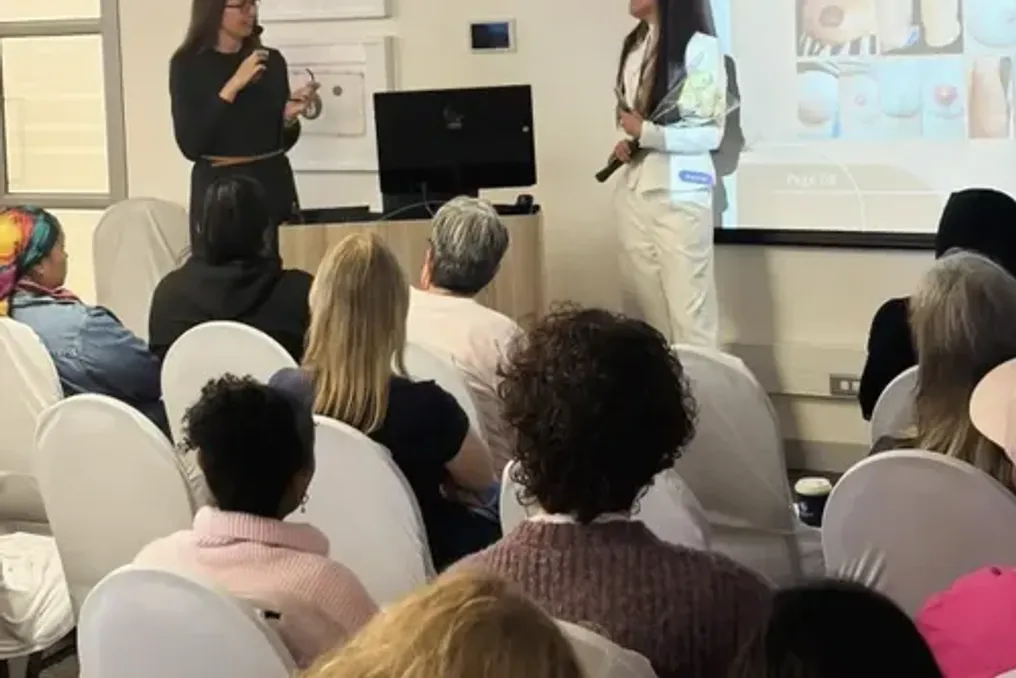
Three breast cancer survivors shared their experiences at an awareness event held at Netcare Christiaan Barnard Memorial Hospital in Cape Town on Thursday, October 22.

The event, titled 'Whole again: body, self and the journey beyond breast cancer,' gathered survivors to reflect on the physical and emotional challenges associated with living during and after cancer treatment.

Ntombi Moyo recounted that her journey began with changes she noticed while applying cream in front of the mirror. She observed that her left nipple was retracting and her breast felt heavier than the other. Initially, she ignored these changes, assuming breasts are not always symmetrical. However, noticing the skin retraction and further nipple pulling, she realized something was wrong and sought medical attention.

Moyo, who reported no family history of cancer, recalled the shock of receiving a suspected diagnosis in 2024, shortly after turning 40. She described the emotional impact of this news, stating: 'I mourned the fact that my life disappeared right before my eyes.'

Carol Naicker, who has been on her cancer battle for seven years, faced significant physical changes, including a double mastectomy. She spoke about learning to accept her body after surgery, urging other survivors not to let the loss or removal of breasts affect their self-esteem. She stated: 'I look at my scars and tell myself: you are a beautiful woman.'

Naicker, a mother of three, also emphasized the importance of faith and medical support throughout the cancer struggle, advising: 'Medicine exists for a reason. Your faith exists for a reason. Work with both.'

Michaela Herman's experience highlighted the uncertainty and fear that can accompany a cancer diagnosis, especially for women with young children. After initially receiving a clear ultrasound report following the birth of her son, Herman continued to feel that something was amiss. Further examinations eventually revealed two types of breast cancer: triple-negative and hormone-receptor positive.

Her treatment included chemotherapy, immunotherapy, double mastectomy, lymph node surgery, radiation therapy, and breast reconstruction. She recalled being particularly frightened before starting treatment because she did not know what awaited her in the future or if she would see her son grow up. She said: 'In a way, I grieved for a life I hadn't actually lost, so I focused on living.'

Herman noted that this experience changed her view of her body, fostering compassion for it, as it helped her through treatment and recovery. She stated: 'My body was a place where something went wrong, and it was also a place where healing needed to happen.'

Dr. Britta Dedekind, a general practitioner specializing in breast cancer surgery at Netcare Christiaan Barnard Memorial Hospital, called the event successful and expressed a sense of privilege in participating in the journey of caring for women. She acknowledged that organizing such an event is always stressful, especially in advance when there is uncertainty about the number of attendees and how well the content and speakers will be received.

Nevertheless, she highly praised the atmosphere created for patients to feel comfortable sharing their experiences, even if those speeches were unplanned. Dedekind also noted that the event provided an opportunity for information exchange, networking, and relationship building.

Her professional work extends beyond surgery: Dedekind collaborates closely with various specialists to ensure comprehensive care for breast cancer patients. Furthermore, she leads weekly multidisciplinary team meetings at the hospital to discuss patient cases.

The survivors' stories underscored that the post-breast cancer journey involves more than just medical treatment; emotional healing, body acceptance, and support play a vital role in learning how to live after a diagnosis.

Charity run PINK UNITY RUN 2026 held in Tashkent to support women with oncological diseases
Read more
nuz.uz

Charity run PINK UNITY RUN 2026 held in Tashkent to support women with oncological diseases

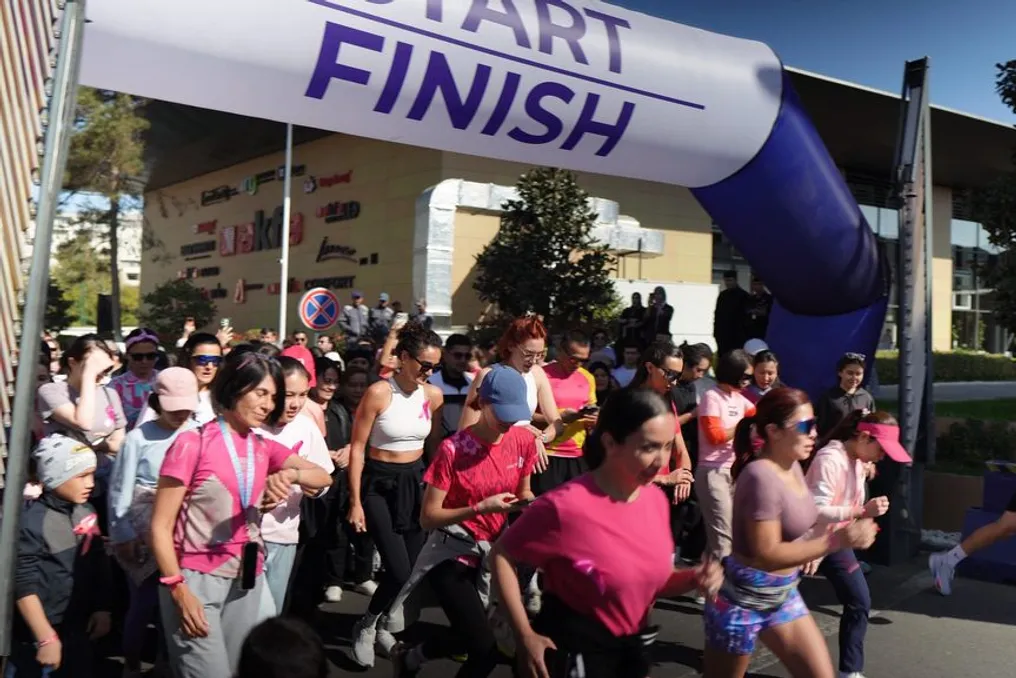
The event PINK UNITY RUN 2026 took place in the 'Ashgabad' city park as part of 'Pink October'—a month dedicated to breast cancer awareness. Diana Bakman initiated this run, having personally faced breast cancer, and emphasized the importance of timely medical care and support.

This charitable initiative, founded on Diana Bakman's personal experience, annually gathers people to discuss issues of women's health and mutual aid. The event was organized by Diana Bakman together with Deepanwell, with the support of the United Nations Population Fund (UNFPA) in Uzbekistan and the Khokimiyat of the Yashnabad district. Official support was provided by the Tashkent City Health Department and the Research Center for Public Health Analysis.

The run attracted about 450 participants, including women with oncological diseases, their relatives, medical workers, volunteers, and residents of Tashkent. They were united by the desire to support women fighting breast cancer and demonstrate solidarity.

Breast cancer remains a serious public health issue. According to international data, approximately 2.4 million new cases of this disease were registered worldwide in 2024, and about 694 thousand people died from it. Breast cancer is also among the most common oncological diseases among women in Uzbekistan.

October is dedicated every year to raising awareness about breast cancer. The international 'Pink October' campaign focuses on the need for early detection, timely consultation with doctors, and providing support to women with such a diagnosis.

In Uzbekistan, in accordance with Decree of the President of the Republic of Uzbekistan No. PP-402 dated November 22, 2024, the state Program for controlling cervical and breast cancer for the period 2025–2030 is being implemented. This program aims to improve screening, early diagnosis, modernization of medical services, and raise public awareness.

PINK UNITY RUN 2026 combined aspects of charity, physical activity, medical education, and social solidarity. Participants were offered distances of 3, 5, and 10 kilometers, which could be completed either by running or walking. Alternative ways to participate were provided for families with children and people undergoing treatment.

Medical specialists worked in the park, providing free consultations and examinations, including mammography, ultrasound diagnostics, as well as vision and heart condition checks. In the special Health Corner zone, participants received information on disease prevention, the importance of regular check-ups, and a healthy lifestyle. The program also included musical performances, dances, and prize giveaways from partners.

One of the key objectives of the run was to raise funds to finance surgical treatment for women in need of medical care.

This year, the initiative was supported by the United Nations Population Fund (UNFPA) in Uzbekistan. UNFPA has been working in the country for over thirty years, contributing to strengthening the healthcare system, expanding access to quality medical services, and supporting national efforts to protect reproductive health.

For the second consecutive year, UNFPA, together with local partners, participates in implementing Presidential Decree No. PP-402, organizing educational events concerning the prevention and early detection of breast and cervical cancer. Within PINK UNITY RUN 2026, UNFPA provided organizational and informational assistance, including support in attracting young volunteers and conducting educational campaigns.

PINK UNITY RUN 2026 became a symbol of unity, shared responsibility, and mutual support. For some participants, it was an opportunity to support a loved one, while for others, it was a way to express solidarity with those battling the disease or those who have already overcome it. Every step taken symbolized hope and support, reminding that behind every diagnosis is a person with plans and a family, and timely diagnosis and healthcare are of immense importance.

Popular