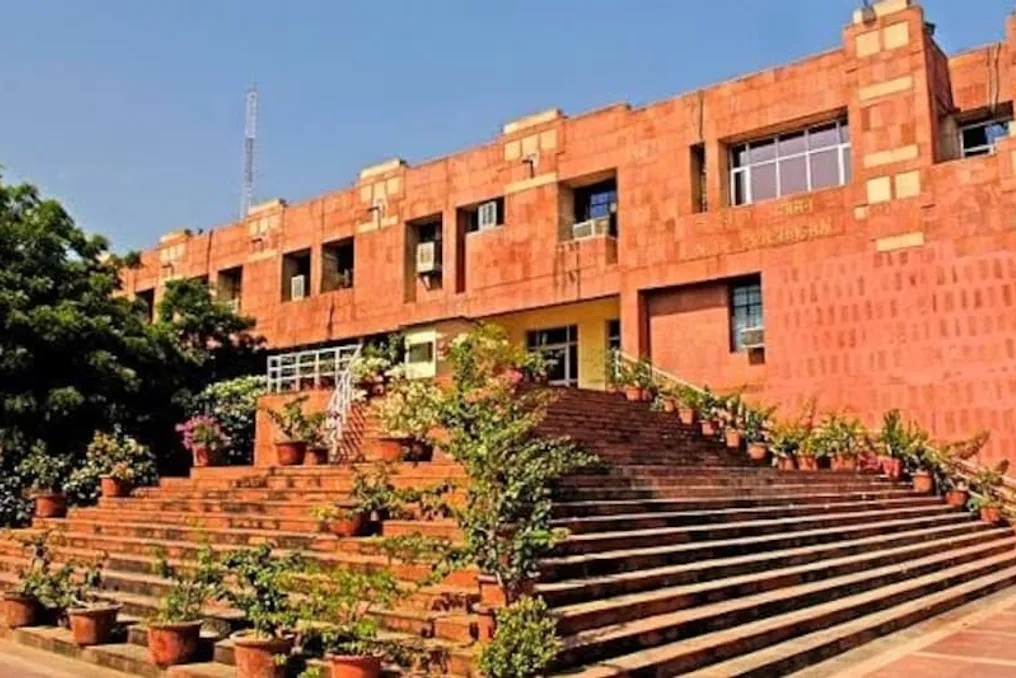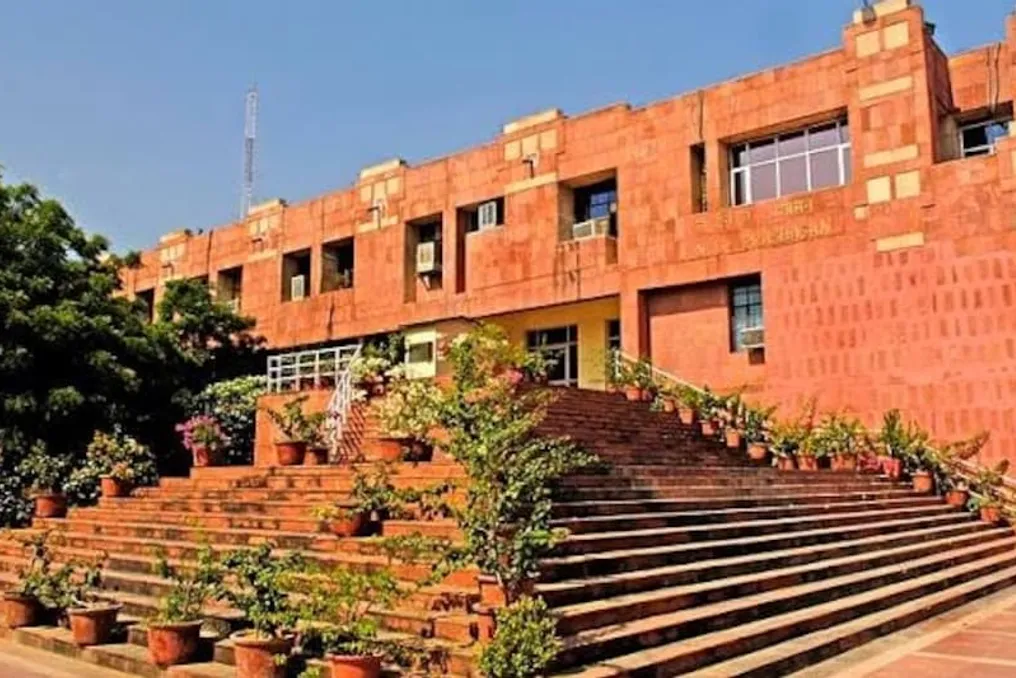
Gaining admission to a PhD program is a significant opportunity that comes after many years of study and effort, especially for candidates from reserved categories. When allegations arise regarding the inadequate allocation of these seats, it naturally raises questions. Such a dispute has arisen at Jawaharlal Nehru University (JNU) concerning admissions to PhD programs.
The All India Students Association (AISA) has raised objections, asserting that the reservation policy in the university was not properly implemented. The organization sent a letter to the Ministry of Education demanding an independent and timely investigation into this matter.
In the letter sent to the Ministry of Education on October 31, AISA analyzed six admission sessions, spanning from the Monsoon season of 2022 to the Monsoon season of 2026. According to the organization, a total of 4288 seats were announced for PhD during this period. However, the number of seats allocated for candidates from the ST (Scheduled Tribe) and SC (Scheduled Caste) categories, according to reservation proportions, was less than planned.
AISA claims that approximately 322 seats should have been allocated under the ST quota (7.5%), but only 278 were provided, resulting in a deficit of 44 seats. Similarly, under the SC quota (15%), about 643 seats were expected, whereas only 601 were allocated. Thus, the total gap between these two categories amounted to 86 seats.
AISA also raised concerns regarding the data for the 2026-27 session. According to the organization's information, 711 seats were announced for PhD in this session. Approximately 53 seats should have been provided for the ST category, but only 38 were allocated, which AISA views as a shortage of 15 seats. Regarding the SC category, AISA stated that with 15% reservation, about 107 seats were anticipated, but the announcement listed only 103 seats.
Furthermore, AISA asserts that despite expecting 36 seats for Persons with Disabilities (PwD), only 17 seats were announced.
The student organization also stated that in several of the university's PhD programs, no seats were announced for ST candidates. According to AISA's letter, in 30 programs covering 351 seats, no ST seats were shown across four admission rounds. The organization noted that in the 2026-27 session, 56 out of 84 programs did not list seats for ST. AISA also questioned the methods used for applying the reservation roster in smaller departments and programs with fewer seats.
AISA also addressed the issue of the declining number of students from Other Backward Classes (OBC) in the university. Citing JNU's annual report, the organization pointed out that the number of OBC students was 2975 in 2023-24, decreasing to 2766 in 2024-25. During the same period, the proportion of OBC students in the total student body decreased from 37.20% to 34.61%. The organization believes that despite minor changes in the overall student count, there has been a decrease in both the number and proportion of OBC students.
AISA demanded that the Ministry of Education conduct a full independent inquiry into the entire matter and instruct JNU to publish the complete PhD reservation roster for 2026-27. The organization also requested an audit of seats for the SC and ST categories, as well as the publication of data by category, including applications, shortlisting, interviews, selection, admission, and remaining seats.
In addition, AISA called for the development of clear mechanisms to prevent the replacement of reserved seats with general seats, a review of the reservation roster in small-capacity programs, and ensuring transparency in the use of the Not Found Suitable (NFS) provision. AISA also proposed considering the possibility of revising PhD admissions through NET/JRF and resuming the admission process based on JNUEE. The letter was signed by AISA General Secretary Prashantjit Kumar and President Neha, and the organization also requested time from the Ministry of Education to meet with relevant officials.