
Uzbekistan refutes reports of fines for lacking environmental stickers on vehicles
Read more
UzDaily
uzdaily.uz

Uzbekistan refutes reports of fines for lacking environmental stickers on vehicles

The Road Safety Service of Uzbekistan has refuted social media reports that drivers will start receiving fines of 10 basic calculation units (BCU) starting January 1st for not having an environmental sticker on their cars, or about the introduction of a fee for such stickers.

The agency emphasized that there is no legal basis for introducing such fees or penalties and strongly urged citizens to use information published exclusively through the official channels of authorized state bodies.

An ecological transport system operates in Uzbekistan, which divides vehicles into three categories based on their impact on the environment: green, yellow, and red.

Drivers can obtain the corresponding environmental sticker through the My.gov.uz public services portal or at the registration offices of the Road Safety Service.

The initial issuance of the eco-sticker is free, as is obtaining a replacement once a year. Furthermore, environmental stickers are issued without an expiration date, meaning vehicle owners do not require annual renewal.

Nevertheless, owners of vehicles classified in the yellow and red categories have the right to undergo a free re-assessment annually to determine if their cars meet a higher environmental category.

The procedures for issuing environmental stickers are stipulated in the Resolution of the Cabinet of Ministers of Uzbekistan No. 750 dated November 28, 2025. The Road Safety Service advised drivers to independently determine the environmental classification of their vehicles and obtain the relevant stickers.
Similar stories

Uzbekistan rejects proposal to introduce import duties on 12 categories of food products
Read more
uzdaily.uz

Uzbekistan rejects proposal to introduce import duties on 12 categories of food products

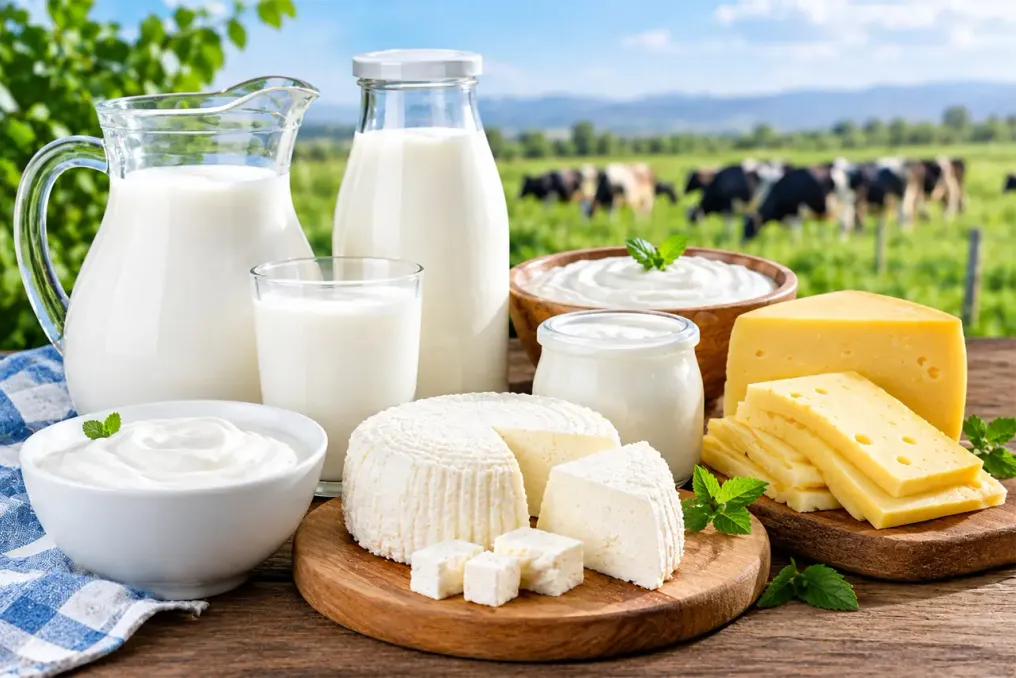
The Public Council at the Chamber of Commerce and Industry of Uzbekistan rejected the proposal to reinstate import duties of 15–30% on twelve types of food products that were previously imported duty-free.

The issue was discussed at the regular council meeting, where participants analyzed the potential impact of increasing customs fees on product costs and consumer accessibility. The discussion emphasized the need to consider domestic production and import volumes, consumer demand, household income levels, as well as the potential consequences of additional tariffs for the population.

During the meeting, one participant presented data indicating that Uzbekistan produced 84,000 tons of milk and cream, while the import volume amounted to 15,000 tons.

Zafar Kashimov, founder of the Korzinka supermarket chain, warned that rising prices for dairy products could affect household dietary habits. He suggested that if cheese, cottage cheese, and yogurt become less accessible, consumers might more frequently switch to cheaper alternatives such as bread and tea with sugar, which, in Kashimov's opinion, would negatively affect public health.

Financier and blogger Otabek Bakirov also expressed concern about the availability of dairy products for Uzbek families. He noted that Uzbeks are only beginning to live in a way that allows children to consume these products, rather than hiding them or saving them for guests, and that people are moving beyond daily concerns about food on the table to think about broader goals. However, according to him, cheese is not yet accessible to every Uzbek family.

Bakirov stressed that increasing domestic production and import volumes does not guarantee that dairy products are available to all families. After the discussions, the Public Council decided to reject the draft resolution on reinstating import duties on the specified twelve categories of food products.

Popular