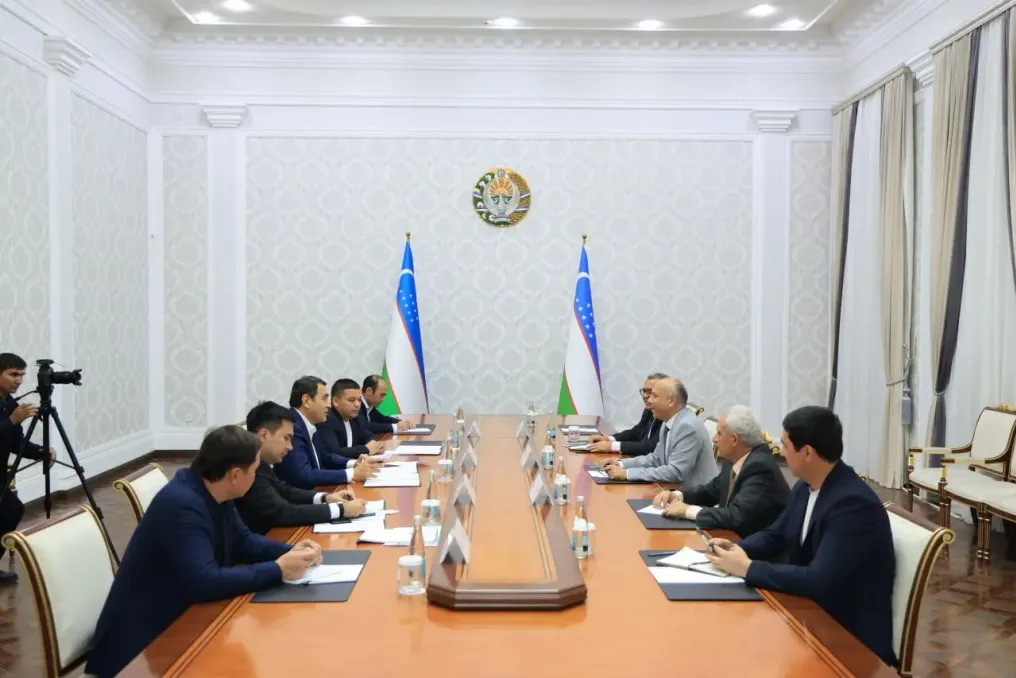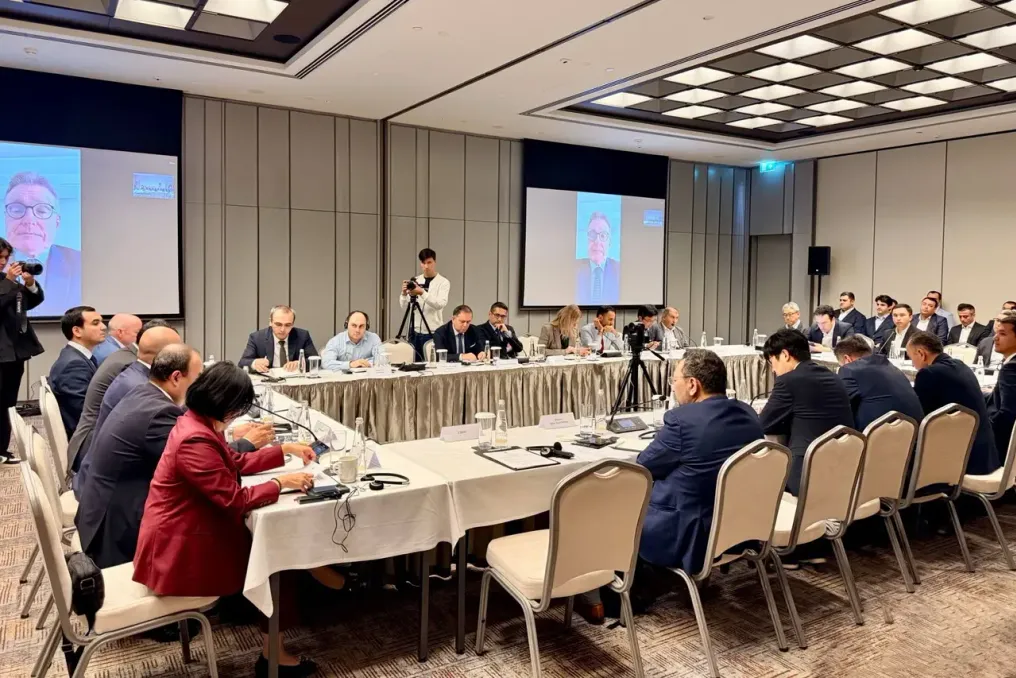
On October 30, 2026, discussions were held in Uzbekistan regarding a draft law aimed at creating a legal framework for startup activities. More than 60 representatives from state agencies, startup companies, the investment community, startup ecosystem organizations, and international partners took part in the meeting.
The event was organized by the Ministry of Economy and Finance of Uzbekistan together with the International Finance Corporation (IFC), which is part of the World Bank Group, with the support of the Foreign, Commonwealth & Development Office (FCDO) of the United Kingdom.
Opening the meeting, Timur Husanov, head of the department of the Ministry of Economy and Finance responsible for analyzing, supporting, and coordinating state policy in the field of small and medium-sized business development, presented a gradual shift in the government's approach to the startup sector. He noted that the focus is shifting from directly selecting promising projects to creating equal and favorable conditions for business development for all market participants.
This approach was supported by Neil McCain, IFC Head for Uzbekistan and Turkmenistan, and Charlie Morris, FCDO Advisor on Economic Development in Central Asia. Participants reviewed the contribution of startups to stimulating innovation, accelerating digital transformation, increasing productivity, and creating jobs. Special attention was paid to expanding entrepreneurial opportunities for youth and women.
Criteria for defining startups and obtaining official status, as well as mechanisms for state support, attracting investments, and hiring qualified specialists, were also discussed. Participants additionally assessed the compliance of the proposed legislation with Uzbekistan's general policies in the field of innovation development.
At the end of the meeting, the necessity of having a clear and transparent legislative framework that startups could apply in practice was emphasized. Participants also noted the importance of ensuring the flexibility of the legislation in response to changing market conditions and new trends in the startup sector.