Uzbekneftegaz plans modernization of the refinery in Bukhara
Read more
UzDaily
uzdaily.uz

Uzbekneftegaz plans modernization of the refinery in Bukhara

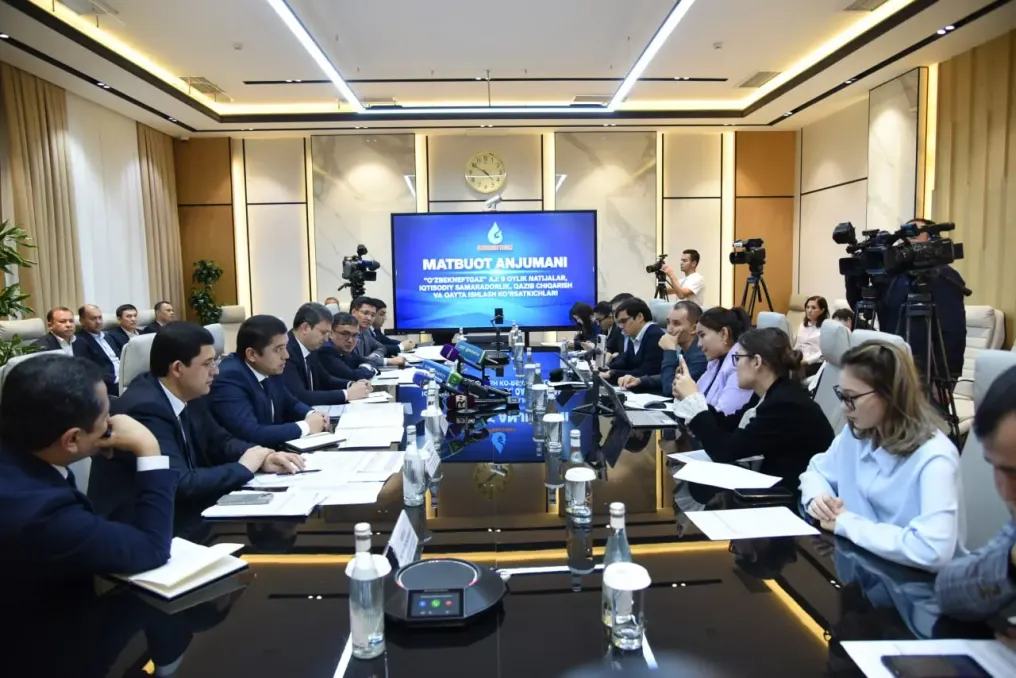
Uzbekneftegaz intends to modernize the oil refinery in Bukhara. The project's goal is to enable the direct production of high-octane automotive gasoline during processing, which will allow for the elimination of imported additives currently used to increase the octane rating of the finished fuel.

Sukhrob Khamraev, the first deputy chairman of the board of the state company, presented the modernization plans at a press conference on October 27. According to him, the technical and economic justification for this project has already been completed. The initiative received presidential approval during a meeting in October, as well as a positive assessment from the Center for Comprehensive Expertise.

Work is currently underway to obtain official permission through the relevant state decision. Khamraev noted that work could begin in the fourth quarter of 2026 or during 2027, depending on the approval of the technical and economic justification and the adoption of a presidential decree.

The selection of contractors will be carried out through an open tender. Technology licensors, construction companies, and other potential contractors will be able to submit proposals. The company also plans to partially finance the project through loans. Khamraev emphasized that information about the tender and the state decision will be made publicly available.

Abrorzhon Khudoyberganov, deputy chairman of the board of Uzbekneftegaz responsible for refining operations, reported that the Bukhara plant is operating at its maximum production capacity. He specified that the company is fully meeting fuel supply targets, with gasoline reserves available for consumer sale exceeding 125,000 tons.

Khudoyberganov also highlighted the impact of imported additives on fuel production costs. These additives, used to increase the octane number of gasoline, increase the cost of producing the final product. After the plant's reconstruction and expansion of new gasoline products, a reduction in production costs is expected, which, in turn, should lead to cheaper fuel.
Similar stories

Uzbekistan proposes $1.5 billion petrochemical project based on GTL
Read more
uzdaily.uz

Uzbekistan proposes $1.5 billion petrochemical project based on GTL

A $1.5 billion project is being considered in Uzbekistan aimed at producing new polymers and petrochemical products using naphtha obtained at the Uzbekistan GTL plant in the Kashkadarya region.

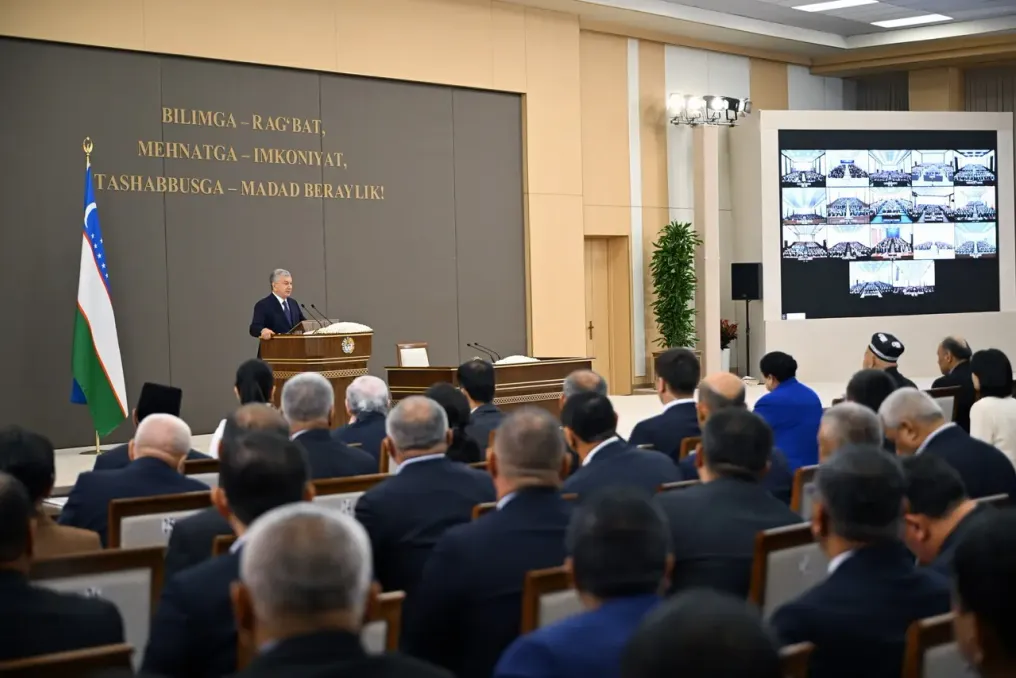
Details of this project were presented at a meeting on regional socio-economic development, chaired by President Shavkat Mirziyoyev, according to the president's press service. This project plans to utilize 430,000 tons of naphtha produced at the plant.

Furthermore, Uzbekistan GTL has prepared three major projects totaling $300 million. These GTL-related initiatives are part of the plans to advance the industrial sector of Kashkadarya to a new level of development.

Mirziyoyev called for the use of the region's natural gas, electricity, and mineral resources to generate income through job creation and the production of higher value-added goods. In addition to GTL-related projects, the expansion of the Dekhkanabad Potash Plant capacity from 365,000 tons to 600,000 tons is being discussed.

More than 30 proposals for small-tonnage chemical sector projects have also been prepared, with a total value of $830 million. The regional manager and other officials have been instructed to develop a three-year plan covering projects worth $20 billion and creating 50,000 jobs. Special attention will be paid to forming supply and production chains around large enterprises during the development of Kashkadarya's industry.

Industrial output in the Kashkadarya region increased by 8.4% in the first nine months of the current year, and the region ranked seventh in the country for industrial output per capita.

The Uzbekistan GTL plant is located in the Kashkadarya region near the Shurtan Gas Chemical Complex. President Shavkat Mirziyoyev opened this plant in December 2021. It uses the technology of converting natural gas into liquid petroleum products (GTL).

The plant has a design capacity of 3.6 billion cubic meters of natural gas per year. Its annual production capacity includes 724,000 tons of diesel fuel, 307,000 tons of aviation kerosene, 437,000 tons of naphtha, and 53,000 tons of liquefied gas. The construction cost of the plant was $3.42 billion, of which about $2.3 billion was financed through external loans guaranteed by the state.

The plant's creditors include financial institutions from China, South Korea, Russia, and other countries. According to information on the official Uzbekistan GTL website, the outstanding principal debt of the plant as of June 16, 2026, was $838.2 million.

Uzbekneftegaz and Chinese Company SINTIK Discuss Drilling Equipment Supplies for Bukhara Refinery Modernization
Read more
uzdaily.uz

Uzbekneftegaz and Chinese Company SINTIK Discuss Drilling Equipment Supplies for Bukhara Refinery Modernization

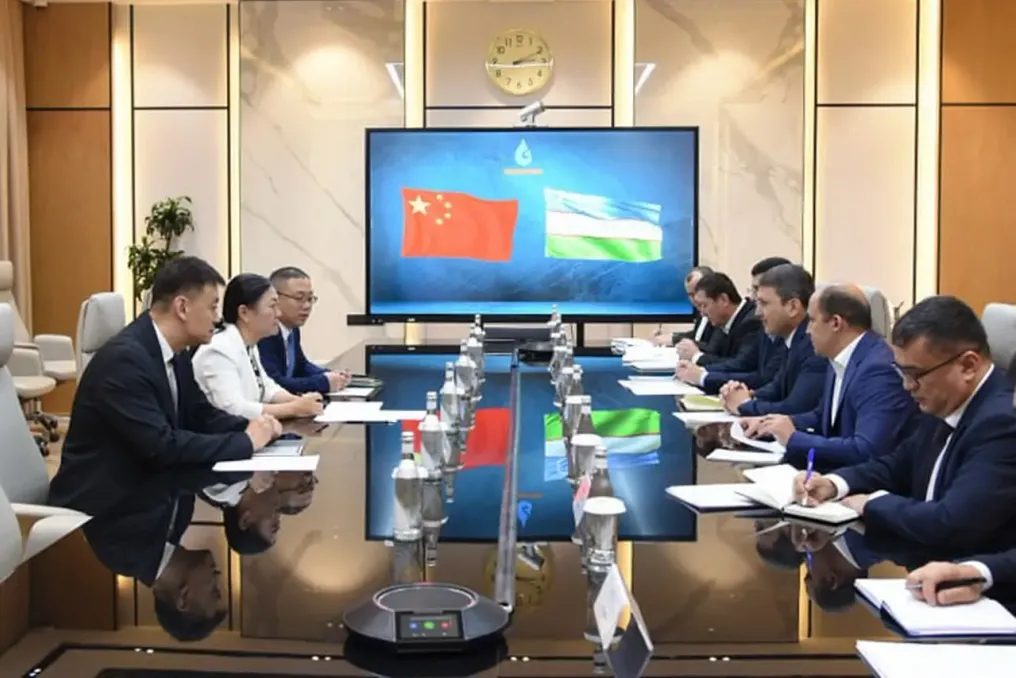
Representatives of Uzbekneftegaz and the Chinese company SINTIK held discussions on the supply of drilling equipment and the implementation of modern technologies as part of the modernization of the Bukhara Oil Refinery.

Discussion in Tashkent

The negotiations took place in Tashkent, Uzbekistan. According to the press service of Uzbekneftegaz, the meetings were headed by the first deputy chairman of the board of the Uzbek company and the SINTIK delegation.

The parties reviewed various paths for developing cooperation aimed at increasing the efficiency of current projects and expanding interaction in promising areas. Special attention was paid to the timely delivery of drilling equipment and adherence to previously reached agreements.

Application of Advanced Technologies

Another important issue was the application of advanced foreign technologies at the Bukhara Oil Refinery. Participants discussed the possibility of studying China's experience and integrating the most effective technical solutions into the enterprise's modernization processes.

Furthermore, the meeting included an exchange of views on potential projects in the energy sector, as well as in the oil and gas sphere. Both sides confirmed their readiness to continue cooperation on mutually beneficial terms.

At the conclusion of the negotiations, participants emphasized the need to fulfill existing agreements, ensure the effective implementation of projects, and achieve tangible results from joint work.

Popular