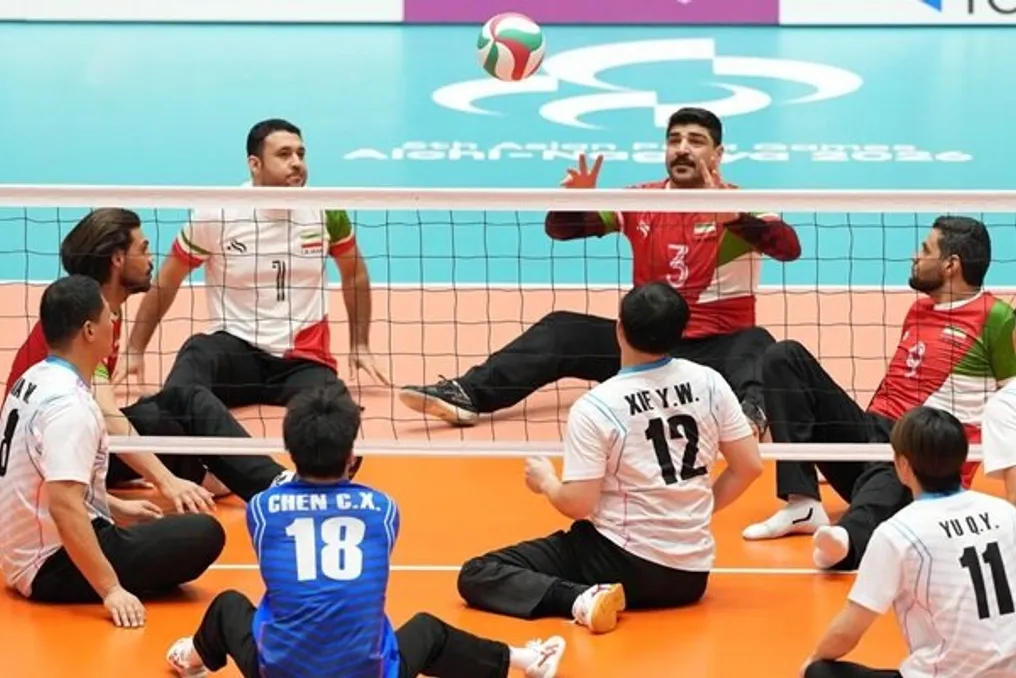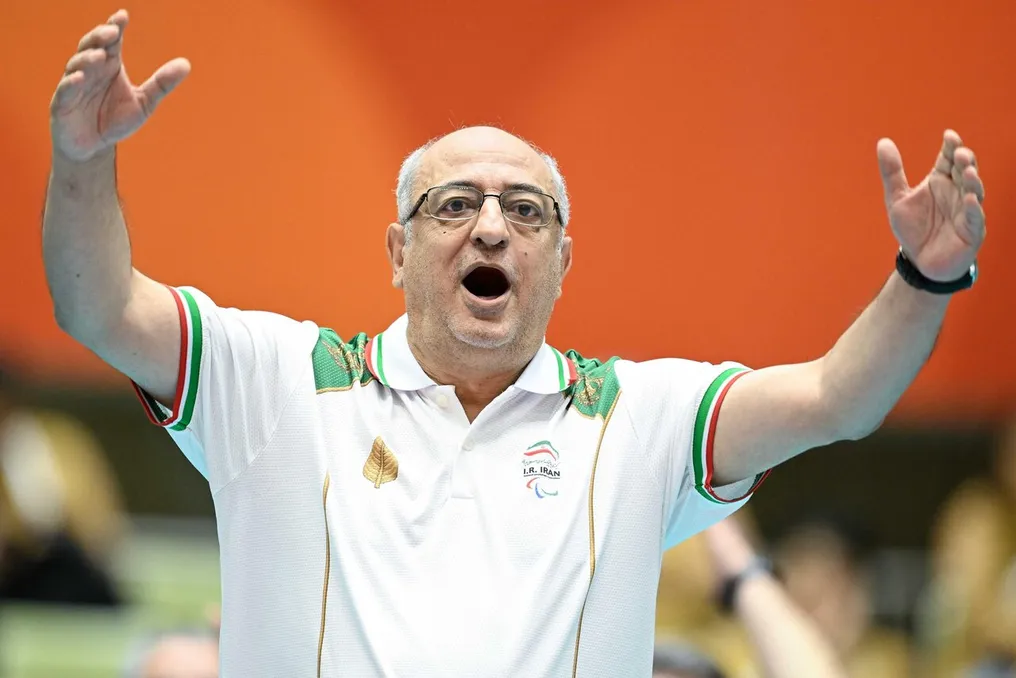
The coach of the Iranian men's sitting volleyball team, Hadi Rezaei, stated that the team participated in the Asian Para Games in Nagoya, composed of experienced and young athletes.
The Iranian team won the Games championship title for the fifth consecutive time, maintaining an impeccable campaign without any losses or even set defeats.
Commenting on the team's success at both the World Championship and the Asian Para Games, head coach Rezaei emphasized the necessity of integrating fresh talents into the squad.
Rezaei noted: 'After winning the World Championship, we made changes to the team. Five players who were not part of our squad at the World Championship in Hangzhou were included in the team for the Asian Para Games in Nagoya.'
He continued: 'We won on two fronts: we lifted another trophy just two months after becoming world champions, and we did it with a new lineup. This gives us a solid foundation for the future.'
Rezaei also commented on the decision not to include the experienced captain and setter Davoud Alipurian. 'Perhaps many thought the team would struggle without Alipurian. However, we had a young player ready to take on his role, and he showed very good play. We also had an 18-year-old player in the squad who made a significant impact.'
The coach added: 'Sometimes difficulties create great solidarity and team spirit. We experienced this in Nagoya. Perhaps without these challenges, we would not have become champions in such a convincing manner.'
Rezaei acknowledged the huge expectations associated with the national team, explaining that years of success have made maintaining the country's reputation an increasingly difficult task. 'People associate Iranian sitting volleyball with winning championships. This complicates our work, although it is a source of pride. In a competition where many athletes drop out before the finish line, anything other than first place is considered a failure for the Iranian sitting volleyball team.'
The head coach also highlighted Iran's undefeated run in Nagoya, particularly two convincing victories over Kazakhstan—first in the group stage, and then in the final. 'Kazakhstan only finished third at the World Championship two months ago, but we beat them twice in Nagoya, both times 3-0,' Rezaei reported. 'These results demonstrate a significant gap between the two teams. We also have a considerable advantage over other countries, which we are pleased about.'
Summarizing Iran's performance at the Asian Para Games, Rezaei noted that the national teams achieved their goals: the men won gold, and the women won silver.
'We achieved what we aimed for: men's championship and women's silver medal. Now our task is to maintain these achievements.'
Rezaei characterized the women's team's silver medal as an improvement in results and significance compared to the previous silver medal. 'Although the women's team repeated its result from the last tournament, this silver medal was more valuable. Iran increased its lead over the second and third-placed teams while narrowing the gap to China, the champion. The victory over Japan on their home court was also a major achievement.'
Looking ahead, Rezaei stressed the importance of meticulous planning for the women's team ahead of the qualification tournament for the Paralympic Games in July next year.