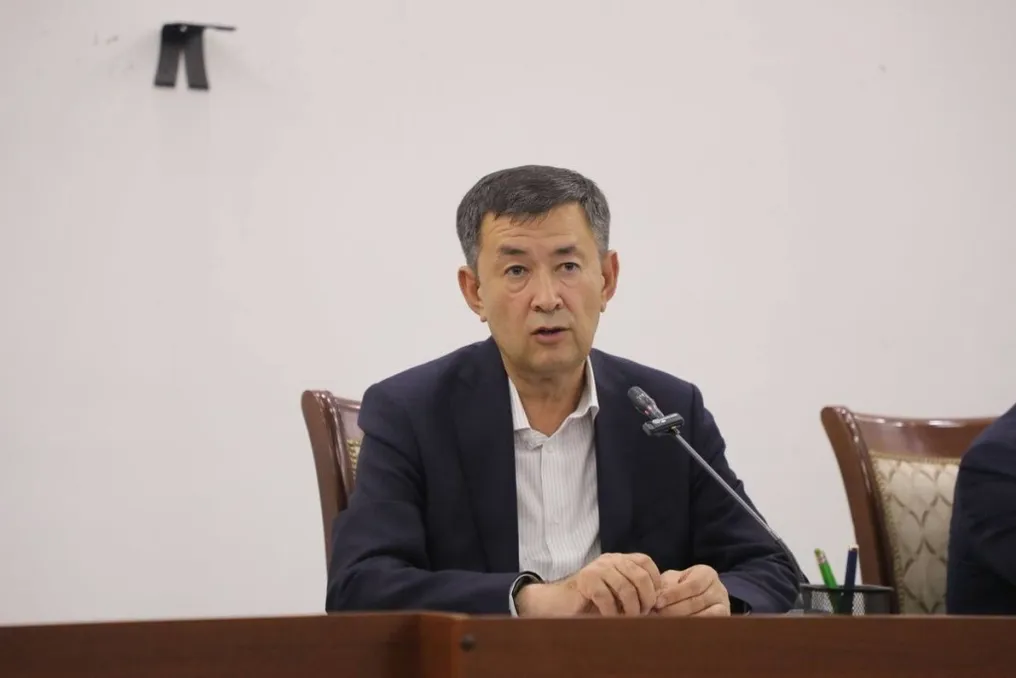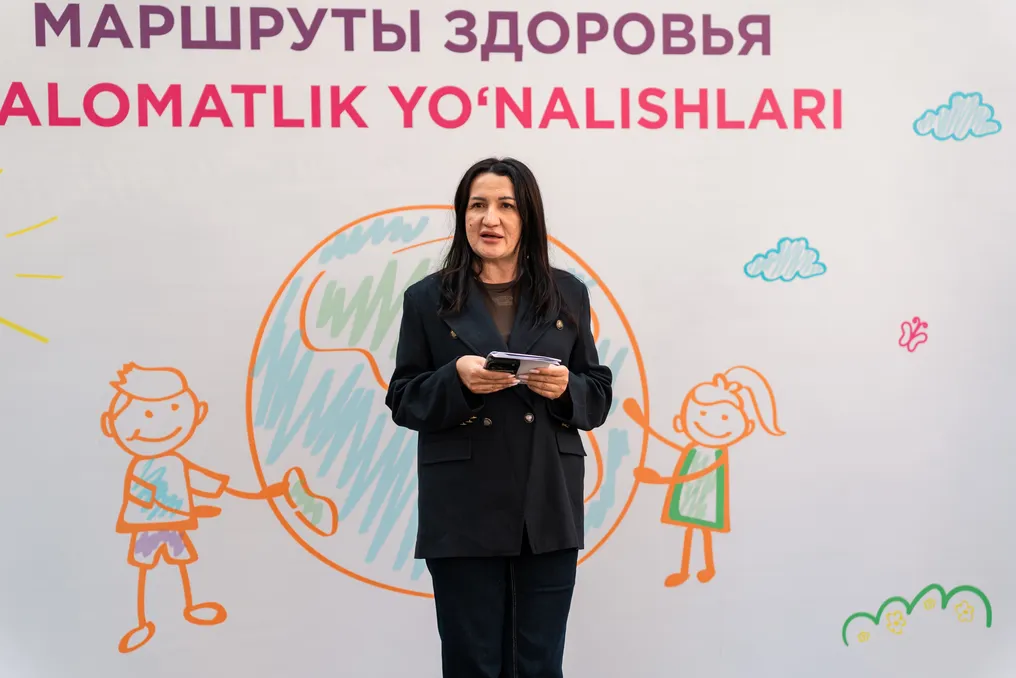
The final event of the republican environmental competition 'Grow Your Garden' took place in the city of Jizzakh. This competition, which was held for the first time among schools in Uzbekistan, was part of the educational program 'Health Routes.'
The project was initiated by Nestlé, the National Committee on Ecology and Climate Change, and the Republican Education Center. The competition gathered over 400 participants from different regions of the country, aiming to instill an ecological culture in the younger generation.
During the competition, students, together with teachers, created eco-posters dedicated to the necessity of careful treatment of nature and the preservation of the environment. These works were published on the educational program portal, and winners were determined based on jury evaluation and audience votes.
Following the event, first place was won by the 3 'A' class of School No. 3 in Jizzakh, second place was received by the 3 'B' class of the same school, and third place was taken by the 3 'A' class of School No. 19 in Jizzakh. Additionally, laureates and the winner in the 'Audience Favorite' category were selected. The winners received diplomas, commemorative gifts, and seedlings for landscaping school grounds.
The culmination of the final event was the collective planting of one hundred trees on the territory of School No. 3. Students, teachers, parents, and representatives of partner organizations participated in this environmental action.
Lola Rakhmanbayeva, press secretary and advisor to the chairman of the National Committee on Ecology and Climate Change on information policy issues, emphasized that ecological education plays a key role in forming a responsible society. In her opinion, such events give children the opportunity not only to study issues of nature protection but also to personally participate in ecological projects, observing the real results of their activities.
The 'Grow Your Garden' competition serves as a practical supplement to the 'Health Routes' educational program, which is being implemented in Uzbekistan as part of the global Nestlé for Healthier Kids initiative. The goal of this program is to form healthy habits in children, familiarize them with the principles of balanced nutrition, and develop responsibility towards nature.
This initiative also helps strengthen cooperation between state structures, educational institutions, and private business in the field of environmental education. Organizers note that such projects contribute to forming an aware approach to nature among schoolchildren, demonstrating that caring for the environment begins with concrete steps. The tree planting in Jizzakh serves as a vivid example of how environmental education can transform into practical actions that unite youth, educators, parents, and the wider public.