IGL's net profit fell by 93.5% to 24 crore rupees due to rising gas costs
Read more
Business Standard
business-standard.com

IGL's net profit fell by 93.5% to 24 crore rupees due to rising gas costs

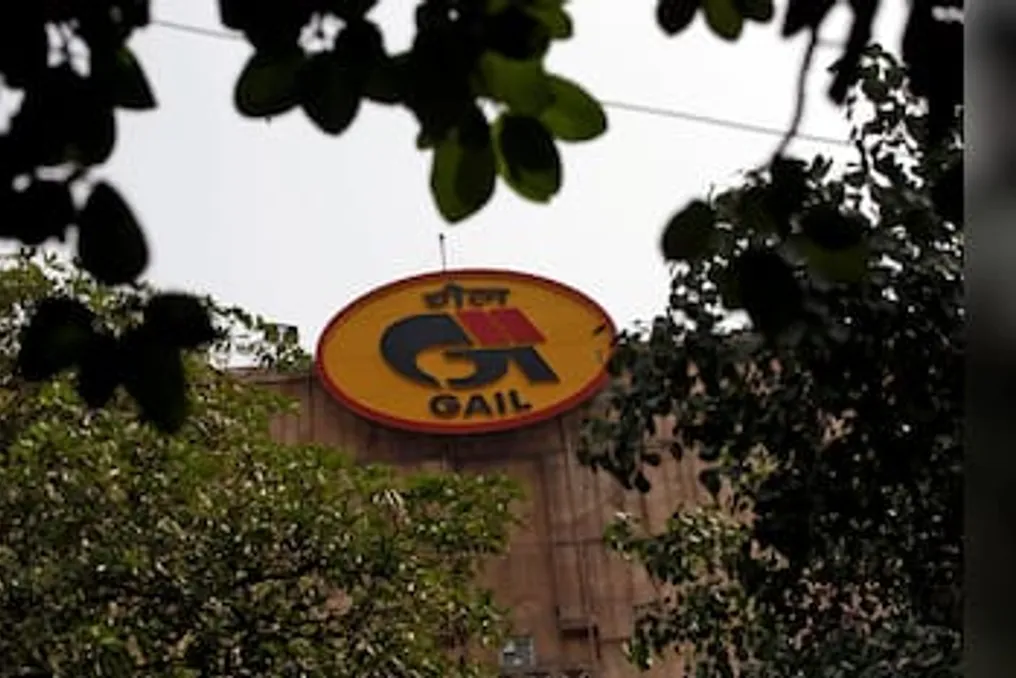
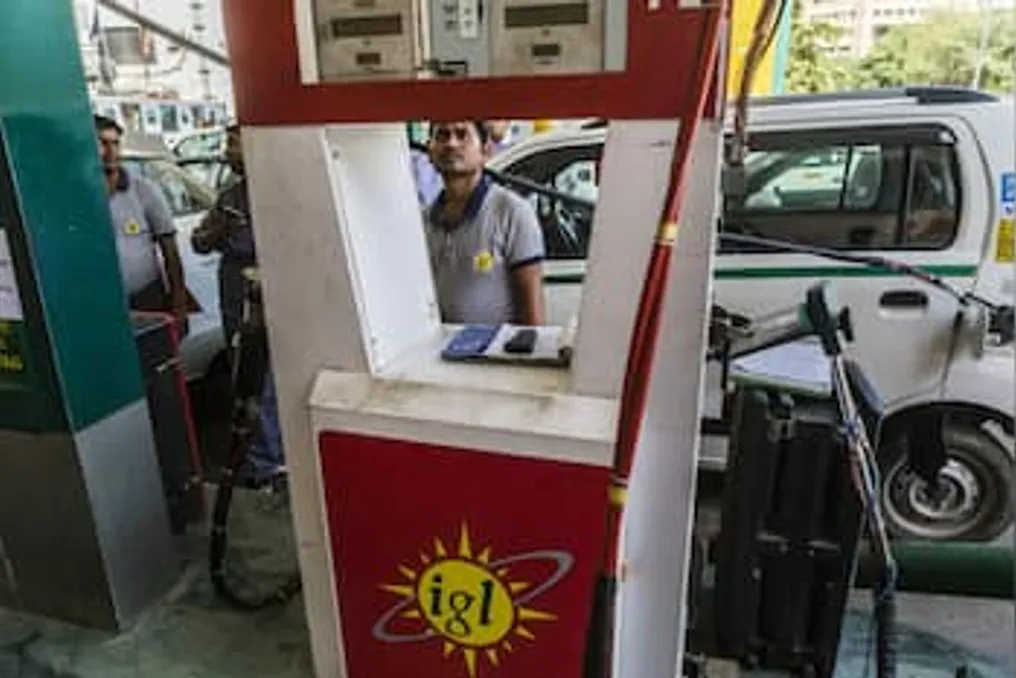
Indraprastha Gas Ltd (IGL), the country's largest city gas distributor, reported a sharp decline in net profit for the September quarter by 93.5%. This was due to a significant increase in raw gas costs, which undermined profitability despite growth in sales volumes and revenue.

The company's net profit in the fourth quarter of 2026-27 amounted to 24.38 crore rupees, significantly lower than the figure of 372.51 crore rupees the previous year. Despite the drop in profit, the company demonstrated an 8% increase in sales volume and a 26% growth in gross revenue.

IGL stated that its average daily gas sales exceeded the mark of 10 million standard cubic meters per day (mmscmd) for the first time. For the period from July to September, the figure reached 10.06 mmscmd, compared to 9.31 mmscmd in the same period last year.

Gross revenue grew to 5,999.13 crore rupees from 4,431.63 crore rupees, reflecting both increased sales volumes and the impact of rising gas prices. Furthermore, Compressed Natural Gas (CNG) sales increased by 9% year-on-year, and Piped Natural Gas (PNG) sales grew by 8%, indicating continued demand growth in the transport and domestic sectors.

Nevertheless, the sharp decline in profitability against the backdrop of increased volumes and revenue highlights the pressure exerted by rising procurement costs on city gas distributors, especially when increases in input prices cannot be fully passed on to consumers.

IGL manages city gas distribution networks in 34 districts, covering 11 geographical zones in Delhi, Uttar Pradesh, Haryana, and Rajasthan. The company's infrastructure includes over 30,000 km of pipelines and more than 1,000 CNG stations serving over 2.5 million CNG vehicles. Additionally, more than 3.5 million households are connected to piped natural gas.

Similar stories

Reliance Industries' profit grew by 41% to 25,548 crore rupees; Jio demonstrated revenue growth
Read more
www.aajtak.in

Reliance Industries' profit grew by 41% to 25,548 crore rupees; Jio demonstrated revenue growth

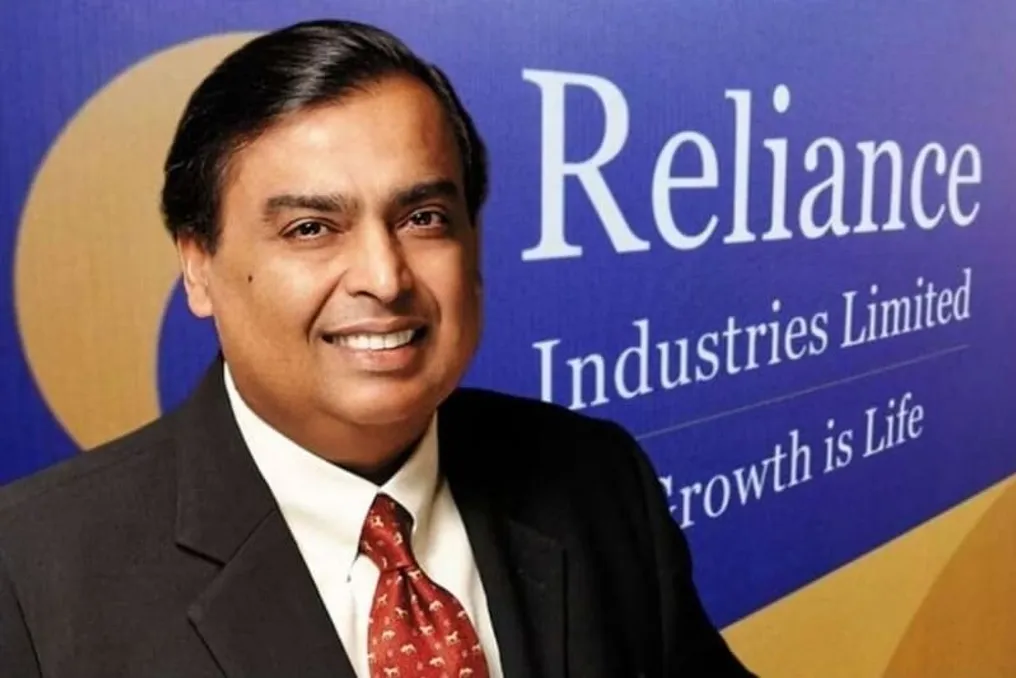
Reliance Industries, led by Mukesh Ambani, presented impressive financial results for the second quarter of the 2026-27 fiscal year (Q2 FY27). For the period from July to September 2026, the company's profit increased by 40.64% compared to the same period last year, reaching 25,548 crore rupees. Last year, the profit for the same period was 18,165 crore rupees.

Furthermore, the digital and telecommunications company Reliance, Jio Platforms, also released its quarterly reports. Jio's revenue grew by 11.3%, amounting to 47,485 crore rupees. As part of its operations, Reliance also began preparations to raise funds of up to 15,000 crore rupees.

Reliance Industries' operating income in the second quarter increased by 28.57%, reaching 332,861 crore rupees. In the same quarter last year, this figure was 258,898 crore rupees. Thus, the income increased by 73,963 crore rupees over the year. Operating income represents the total revenue received by the company from its core, day-to-day business operations. The company reported its quarterly results to the shareholders' market on Friday, and the growth in both profit and revenue indicates business stability.

Alongside the quarterly results, Reliance announced a capital raising plan. The company's board of directors approved the proposal to raise funds of up to 15,000 crore rupees. Unsecured debt obligations (NCDs) will be issued for this purpose. Simply put, NCDs are a type of loan that a company issues to investors to raise money, paying interest according to the agreement. These debt obligations cannot be converted into shares. Reliance plans to issue these bonds through private placements in one or more tranches. These bonds can be secured or unsecured.

Reliance's digital and telecommunications arm, Jio Platforms, also showed strong growth in the second quarter. The company's consolidated revenue increased by 11.3% compared to last year, reaching 47,485 crore rupees. This is significant growth compared to the same period last year. Jio's EBITDA also grew by 16.6%, reaching 21,879 crore rupees. EBITDA is a metric used to assess a company's earnings, reflecting profit before interest, taxes, and certain other expenses, helping to understand the income and operational status of the core business.

Jio's telecom services revenue, including mobile and internet, increased by 11%. Revenue from digital services grew by 16%. According to the company, the growth in operating profit and more efficient cost management contributed to an approximate 17% increase in EBITDA. Meanwhile, the company's margin improved by 250 basis points, or 2.5 percentage points, compared to last year.

For the first half of the 2026-27 fiscal year, i.e., from April to September 2026, Jio registered a Free Cash Flow of 32,130 crore rupees. This figure is 98% higher than the same period last year. Free Cash Flow shows how much money the company has left after covering operating expenses and necessary investments. It is calculated by subtracting Capital Expenditure from EBITDA.

In the second quarter, Jio also achieved two major milestones regarding its customer base. The company's 5G mobile customer base exceeded 300 million people. Additionally, the number of customers using fixed broadband internet for home and office exceeded 3 million. The company's total subscriber base reached 54.24 crore. Over the last 12 months, 3.6 crore new customers joined Jio. Jio's Average Revenue Per User (ARPU) grew to 218.8 rupees. The growth in this indicator signifies an improvement in the company's revenue per customer.

Mukesh Ambani, Chairman and Managing Director of Reliance Industries, called the listing of Jio Platforms on the stock market a historic achievement for the company. He noted that Jio's IPO attracted over 22 times subscription, and the shares showed significant growth during the listing. This demonstrates investor confidence in Jio's business and its future prospects. Ambani stated that Jio has become the second-largest company in India. He also emphasized that this is an important stage in the journey of increasing Reliance's value. Furthermore, he noted that Jio's listing gave new momentum to the beginning that the company's founder, Dhirubhai Ambani, started in 1977 through Reliance's IPO, connecting retail investors to the stock market. Jio Platforms' IPO worth 30,188 crore rupees was completed on October 28, 2026, becoming the largest IPO in India to date.
GAIL's net profit in the second quarter grew to 4,650 crore rupees due to increased gas marketing revenues
Read more
business-standard.com

GAIL's net profit in the second quarter grew to 4,650 crore rupees due to increased gas marketing revenues

The state-owned gas distributor GAIL in India reported more than a twofold increase in quarterly profit, which reached 4,650 crore rupees, driven by significant growth in its natural gas marketing business.

GAIL, the largest natural gas distributor in India by market share, stated that its net profit after tax for the quarter ending September 30 was 4,650 crore rupees (US$489.3 million), compared to 2,217 crore rupees the previous year.

Prior to the earnings announcement, analysts at Jefferies noted that gas consumption in India had recovered to pre-Middle East conflict levels by September.

GAIL Chairman Dipak Gupta mentioned in September that India was initially forced to restrict gas consumption but subsequently resumed supplies at nearly 90%–95%, increasing its capacity to procure LNG from other sources.

The company also announced preliminary approval for listing its subsidiary, GAIL Gas, via an IPO, which could potentially involve selling up to 25% of shares, subject to final board approval.

The gas marketing segment, which is GAIL's primary revenue source through wholesale trading and distribution of natural gas, showed growth of over 31%, reaching 41,226 crore rupees. Furthermore, the petrochemical segment's revenue increased by almost 26%, and the natural gas transportation segment grew by 21%.

GAIL's total operating revenue exceeded 30%, amounting to 45,924 crore rupees, while expenses rose by more than 23%.

Eternal's net profit grew by 92% in the second quarter of fiscal year 2027, revenue increased by 78%
Read more
yourstory.com

Eternal's net profit grew by 92% in the second quarter of fiscal year 2027, revenue increased by 78%

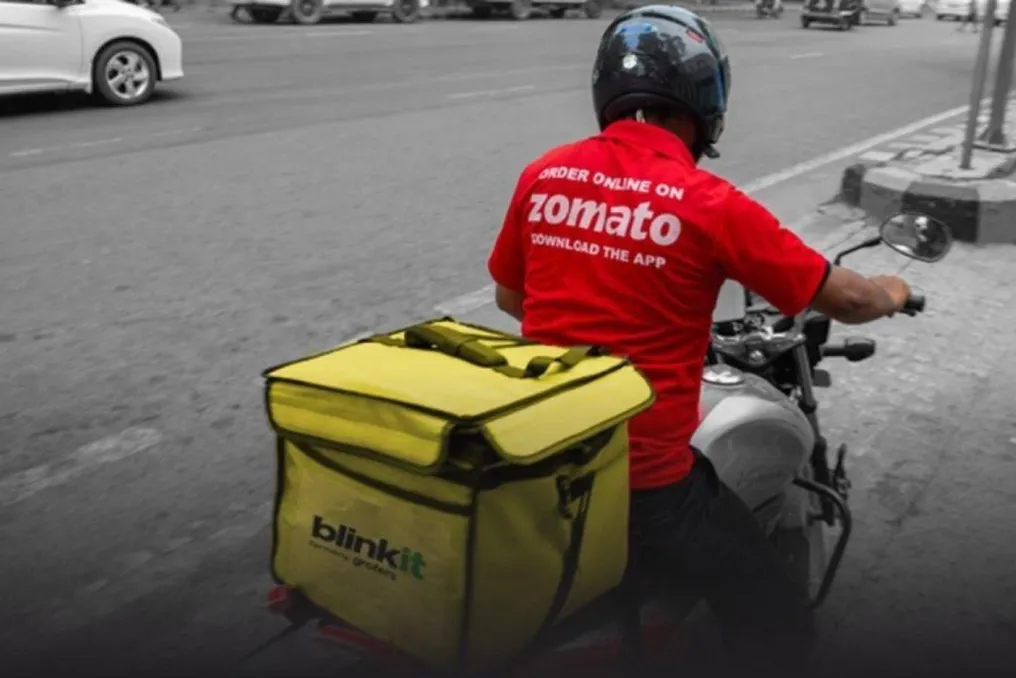
Eternal, the parent company of Zomato and Blinkit, reported significant growth in net profit during the second quarter of fiscal year 2027. The company's profit increased by 92.3% compared to the same period last year, while revenue grew by 78% year-over-year. Nevertheless, the results were below analysts' forecasts, who expected a net profit of 250 crore rupees.

Eternal's net profit for the second quarter of fiscal year 2027 amounted to 125 crore rupees, which is higher than the 65 crore rupees recorded in the same period a year earlier. Revenue reached 24,138 crore rupees compared to 13,590 crore rupees in the corresponding quarter of the previous fiscal year.

The quick commerce segment, Blinkit, remained a key source of income, generating revenue of 19,152 crore rupees in the second quarter of fiscal year 2027. According to Eternal's data, Blinkit's average order value (NOV) grew by 79.3% year-over-year. The platform added 308 new stores, bringing the total number of stores to 2,751.

Blinkit's adjusted EBITDA improved for the sixth consecutive quarter, reaching 0.9% of NOV, equivalent to a profit of 184 crore rupees, whereas the loss a year earlier was 156 crore rupees. Eternal forecasts that Blinkit's store count will exceed 3,500 by March 2027 and potentially reach 5,000 by March 2028.

Albinder Singh Dhindsa, CEO of Eternal Group, noted that in the quick commerce business, not only the growth rate but also the quality of that growth is important. He emphasized that each store has limited capacity, and customers coming only for deep discounts use the same capacity as those ordering weekly from different categories. He added that attracting customers through price reductions might be faster, but such buyers often leave after the discounts end.

Regarding the food delivery business, Zomato demonstrated a 21.5% year-over-year increase in NOV, and the company stated that the acceleration of growth has continued for the fifth consecutive quarter. Eternal's founder, Dipinder Goyal, commented on the situation in the food delivery segment, expressing satisfaction with the current state of the business. However, he clarified that they try not to draw hasty conclusions based on a single quarter. His long-term expectation for food delivery has always been over 20% annual growth, and the last two quarters have brought the company back into this range. He also noted that this view has not changed either last year when growth slowed down or now when growth has resumed.

Popular