A city garden can serve functions beyond just being a green space. Upon closer inspection, one might notice a butterfly moving between flowers, bees hovering over local plants, and children exploring nature at their own pace. These small moments are part of a larger story about biodiversity, belonging, and the spaces we create for nature.
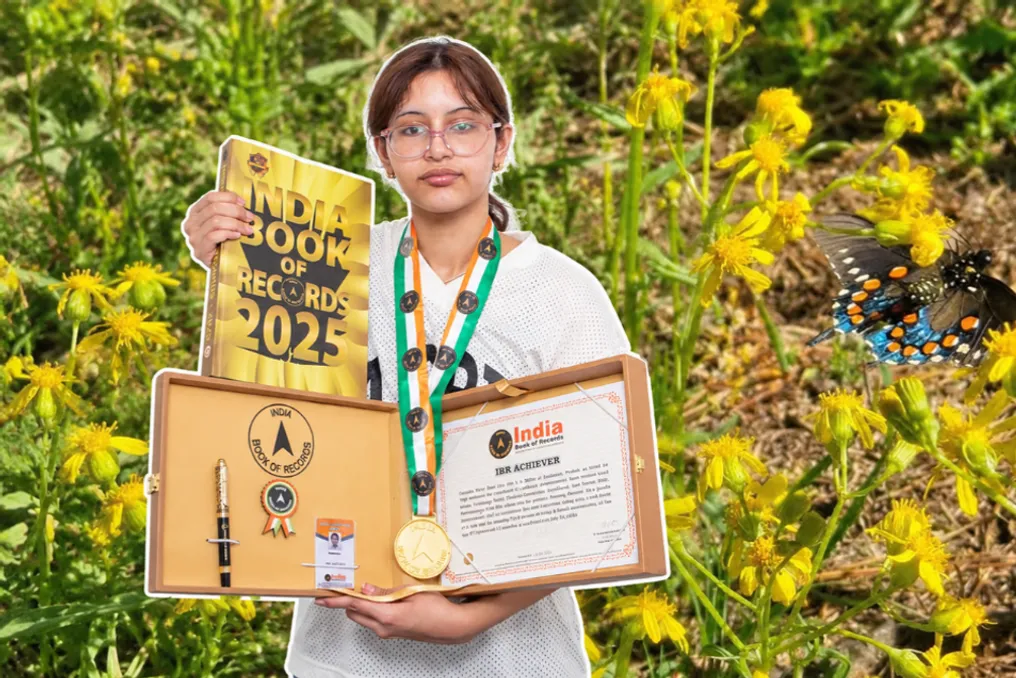
In the city of Ludhiana, Punjab, 16-year-old Gunisha Kaur is bringing this concept to life. Through her initiative, Buzzing Blooms, she has organized over twenty experimental gardens for pollinators and ecological restoration projects in Ludhiana, Meerut, Mumbai, and partner communities.
Her work led her to secure third place at the International Young Eco-Heroes Award 2026, presented by the conservation organization Action For Nature. According to the organization, during a monitoring period exceeding 24 months, the gardens recorded a 155% increase in pollinator species diversity, rising from 18 to 46 species. Furthermore, the number of bee visits increased by almost 200%.
However, for Gunisha herself, the idea was never just about planting more flowers. It was also about creating open spaces where people with different needs could feel comfortable and connected to nature.
How personal experience inspired Buzzing Blooms
Growing up in the industrialized city of Ludhiana, Gunisha began to worry about the declining populations of pollinators she observed around her. Simultaneously, her home experiences shaped her understanding of the connection between humans and the natural world.
Observing her younger brother with autism helped her realize how calming nature can be. It also highlighted the lack of outdoor areas designed with the sensory needs and requirements of neurodivergent children in mind.
These observations prompted her to launch Buzzing Blooms on March 5, 2023, with the goal of transforming unused urban areas into chemically clean habitats that support both biodiversity and inclusivity. Her Sikh heritage, which emphasizes respect for nature, also influences her approach. She notes: 'Rooted in my culture, which teaches respect for nature, I was inspired to create spaces that nourish both biodiversity and a sense of belonging.'
Gardens designed for bees, butterflies, and children
Within Buzzing Blooms, the concept of a successful garden goes beyond mere appearance. These spaces utilize multi-layered plantings of native plants and chemical-free cultivation methods to create habitats for pollinators, including bees and butterflies.
The design also considers visitors. Structured pathways facilitate movement through the gardens, while non-thorny, touch-safe plants and designated zones for observing bees and butterflies allow children to explore nature in ways that suit their sensory needs. Thus, an approach is achieved that merges ecological restoration and accessibility instead of viewing them as separate tasks.
The impact extends beyond the gardens themselves. Buzzing Blooms has engaged over 4,000 students, including more than 250 neurodivergent and vulnerable individuals. Through workshops, restoration drives, and inclusive learning programs, the initiative has reached over 8,000 people.
Gunisha also established the Buzzing Blooms Advocates Network, training over 500 young ambassadors in environmental communication, public speaking, and leadership. To fund her work, she conducts art classes on weekends and reinvests the proceeds, along with money from plant sales and scholarships, into maintaining the gardens.
From local gardens to international recognition
Gunisha's interest in finding solutions to environmental problems also extends to technology. She developed AeroBloom—an AI-based aerial pollination system designed to support agriculture during extreme heat when natural pollinators may temporarily leave the area. This innovation earned her a bronze medal at the Indian Science and Engineering Fair.
Her recent recognition at the International Young Eco-Heroes Award highlights what a young innovator can achieve by solving environmental issues within their own community. From creating habitats for pollinators to making green spaces more welcoming for children—Gunisha's work offers a practical lesson on how cities can become more inclusive while supporting biodiversity.