New Tourist Center Worth 31 Million Rand Opens in KwaMakamo
Read more
Getaway
getaway.co.za

New Tourist Center Worth 31 Million Rand Opens in KwaMakamo

A new tourist facility, the Mthontsi Lodge and Conference Centre, has opened in the historic town of KwaMakamo, located in the Eastern Cape. This project, valued at 31 million rand, provides travelers with an additional reason to explore KwaMakamo, which boasts numerous attractions beyond the new accommodation.

Previously known as Fort Beaufort, KwaMakamo welcomed the Mthontsi Lodge and Conference Centre in July 2026. This development brings new hospitality and tourism amenities to the Amatole region, but its significance extends beyond simply providing lodging for visitors.

The project, funded by the Department of Tourism, includes thirteen chalets accommodating up to 52 guests, as well as camping facilities for 32 people, a restaurant, traditional lapa areas, and conference capabilities.

A crucial aspect of the project is the involvement of the local community. Over 240 former farm residents and their descendants are represented through the Mthontsi Waselukhuko Primary Co-operative, which will own the facility after the transfer of ownership process. The development aims to foster local employment and support small businesses.

KwaMakamo was renamed from Fort Beaufort in 2023 in honour of Chief Makoma, an influential leader of the amaXhosa people who resisted colonial expansion in the Eastern Cape and played a significant role in border wars. This history remains visible in the surrounding landscape.

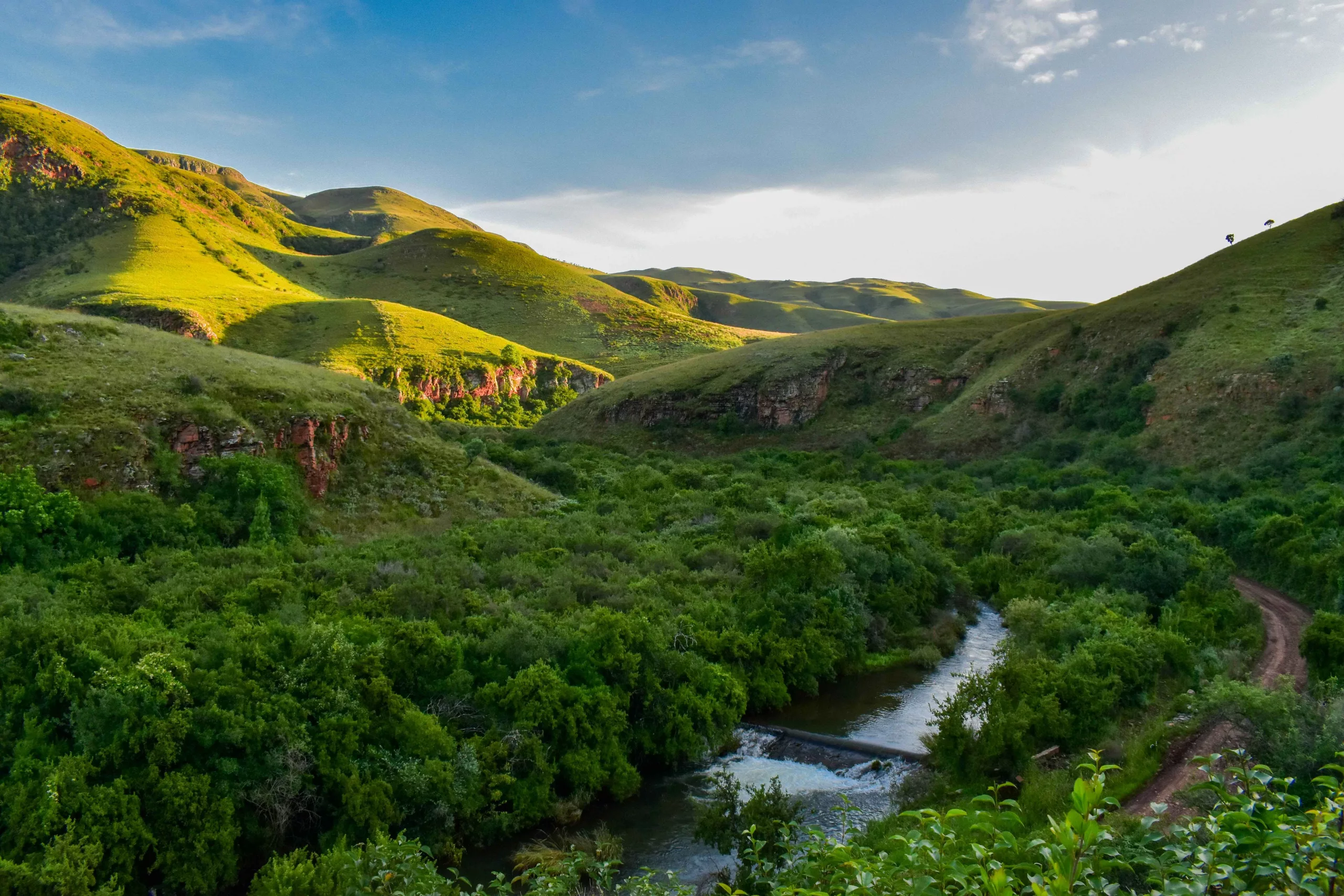
Approximately 25 kilometers from the town is the Mpofu-Fort Fordyce Nature Reserve, where local forests, mountain landscapes, and important historical sites converge. Visitors can discover San rock art, explore Fuller's Hook associated with caves used by Makoma and his followers, and see the remains of two border forts in Horseshoe Valley.

In the town itself, the KwaMakamo History Museum offers a deeper understanding of the region's past, while the Martello Tower, one of two built in South Africa, serves as another notable reminder of the town's military history.

The Amatole landscape also offers many opportunities for outdoor enthusiasts. The Mpofu-Fort Fordyce Nature Reserve is known for bird watching, bass fishing, and rock climbing, making it a valuable addition to a trip through the interior of the Eastern Cape.

The Mthontsi Lodge and Conference Centre adds yet another reason to visit KwaMakamo, but its true importance lies in the opportunities it can create for the community. For travelers, it represents a new base for exploring an lesser-known part of the Eastern Cape, and for locals, it is a chance to transform the region's history and natural attractions into tourism opportunities that support future generations.

Similar stories

Map of South African Myths: Seven Places Where Legends Endure
Read more
getaway.co.za

Map of South African Myths: Seven Places Where Legends Endure

The landscapes of South Africa are impressive in themselves, but deeper exploration reveals even more intriguing aspects. This mythical map offers curious travelers a different kind of journey, one rooted in ancient beliefs and folklore. Although some of the listed locations are well-known attractions, they are viewed through a different lens. Seven locations are presented that plunge visitors into the heart of South Africa.

In the lush Limpopo forest resides Modjadji, the spiritual abode of the Rain Queen of the Balobedu people. It is said that she can summon rain through her rituals, making her a living legend. Her lineage has been passed down from queen to queen for centuries. According to legends, the Rain Queen's power can bring either fertility or famine. The place exudes an otherworldly atmosphere.

On the coast of the Eastern Cape stands a massive arch rock, shaped by centuries of crashing waves. However, the Khoisan people claim it is not the result of erosion, but of love. The legend tells of a beautiful girl who fell in love with a sea creature. When her family rejected the union, the creature called its people from the ocean. They pierced the cliffs so he could reach her, and both vanished into the sea. Locals still assert that the waves here make strange sounds; it might be the wind, but it is believed to be the voices of the sea folk.

Stone Circle of Adam is an ancient ring of stones that some believe is over 75,000 years old. Alternative historians and traditional San folklore consider this site a celestial observatory used by early civilizations, possibly even celestial beings. Others believe it possesses spiritual energy and alignment connected to ley lines.

The San people, the earliest inhabitants of South Africa, believed that caves and mountains served as spiritual portals. Their rock art is found in areas such as the Cederberg and Drakensberg mountain ranges, as well as other parts of the country, telling stories of trance dances, animal spirits, and journeys to the spirit world. These images are sacred records of interactions with the divine.

Table Mountain is steeped in folklore, and the story varies depending on who asks. Some claim it is the resting place of a sleeping giant. Another myth recounts a smoking contest between a local pirate named Van Hankes and the Devil. Their duel created the 'tablecloth,' the misty cloud that hovers over the mountain peak. Others believe a cloud dragon inhabits the mist.

Tokoloshe is perhaps South Africa's most frightening mythical creature. It is a small, goblin-like being said to cause illness, death, or general chaos if angered. During the day, it is invisible to adults, but it comes alive at night. Rural areas of KwaZulu-Natal and the Drakensberg region are hotspots for Tokoloshe sightings, and many still place bricks under beds to lift them off the ground and out of Tokoloshe's reach.

Within Kruger National Park, there are not only the Big Five but also ghostly tales and tribal myths associated with this vast expanse. One story speaks of the White Lion, a sacred and almost mythical creature believed to appear only to those with pure hearts. Others recount ancestral spirits guiding animals and warning rangers of danger through dreams or signs.

Review of Seven Places for Rock Climbing Descents in South Africa
Read more
getaway.co.za

Review of Seven Places for Rock Climbing Descents in South Africa

The rocky cliffs, deep gorges, and rugged mountain ranges of South Africa offer numerous opportunities to view the landscape from a new perspective. For those willing to take a risk, rock descending is an adventure that combines breathtaking views with a necessary dose of excitement.

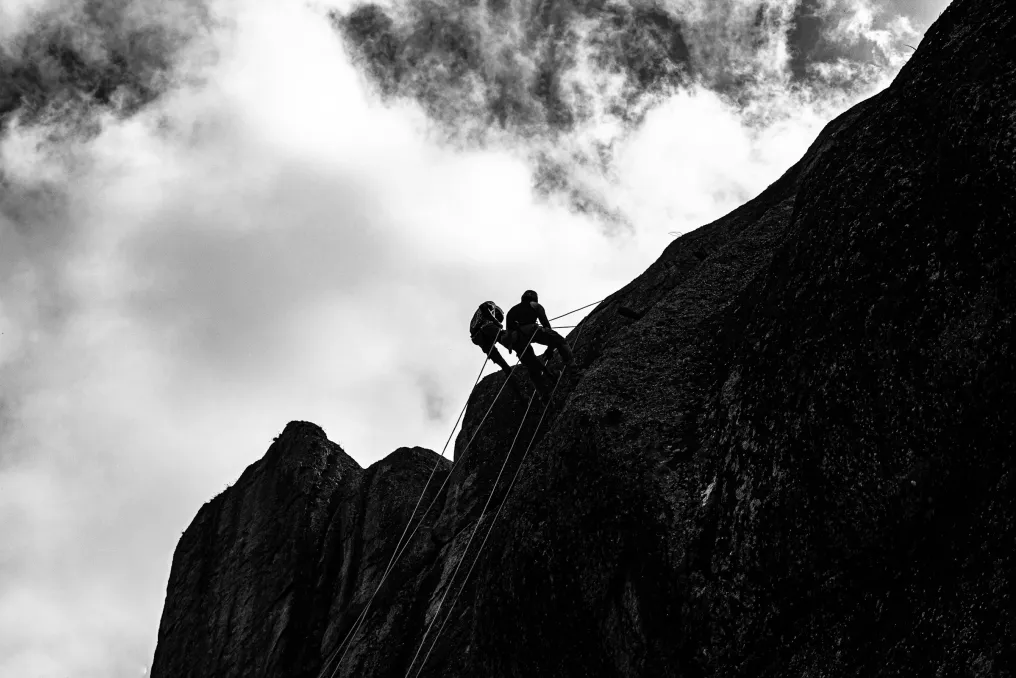
Rock descending, also known as rappelling, involves going down a steep rock face using a rope and specialized equipment. With a qualified guide, proper protective gear, and a suitable location, it can be an accessible introduction to extreme sports.

It cannot compare to the view from Table Mountain. Standing at the summit, overlooking Cape Town, the Atlantic Ocean, and the Twelve Apostles, one can descend 112 meters down a sheer rock face. This service is offered by Cape Town Abseil and is suitable for beginners, requiring no prior experience. The activity includes safety instruction, provision of equipment, and guidance from instructors. After completing the descent, participants hike back up.

Operations may depend on weather conditions, especially if rain or strong winds make the experience unsafe. Allow about an hour for the activity itself, and a cable car ticket is an extra charge if you decide to ascend the mountain via cable car. Location: Table Mountain, Cape Town. Booking: Cape Town Abseil.

Paarl Rock is an attractive option for those who want to combine active recreation with a trip to the Winelands. Massive granite formations rising above Paarl create an impressive setting for the descent, offering views of the surrounding mountains and countryside. Abseil Africa offers organized tours that include safety briefing, use of the harness system, the descent itself, and a walk in the surroundings. No previous descent experience is required for suitable beginner sessions, but participants should check the operator's current requirements regarding age, fitness, and other conditions before booking. You can spend the day visiting Paarl wineries, staying at local establishments, or taking a tour of the Winelands. Location: Paarl, Western Cape. Booking: Abseil Africa.

For a descent along a waterfall and into a deep forested gorge, head to Oribi Gorge on the South Coast of KwaZulu-Natal. This reserve is known for its dramatic sandstone cliffs, rich avifauna, and extensive views of the uMzimkulwana river valley. The signature Wild Abseil tour, organized by Wild 5 Adventures, takes participants down a 110-meter cliff near Lehr’s Falls. The descent is divided into two parts: the first 45 meters are along the cliff, and the remaining 65 meters are a freefall, leaving the person suspended away from the rock. Beginners receive instructions before the descent, and guides monitor the process. Other attractions are also available nearby, such as a canyon suspension bridge, zip line, and rope bridge, while the reserve's viewpoints and hiking trails offer calmer ways to enjoy the scenery. Location: Oribi Gorge, approximately 25 km from Port Shepstone. Booking: Wild 5 Adventures.

You do not have to travel far from Johannesburg or Pretoria to find a worthy cliff for descending. The Hartbeespoort and Magaliesberg area offers several outdoor activities, making it a convenient choice for a day trip or weekend. Mountain Adventures offers a 50-meter descent near the upper station of the Harties cableway. The descent takes place on a cliff located approximately 300 meters above the valley floor, giving participants a strong sense of height and openness. The same operator also offers rock climbing and kloofing, which involves climbing and traversing through a natural gorge. These activities can be combined for a more eventful day in the mountains. Afterwards, you can visit the Hartbeespoort Dam, stroll through local markets, or have lunch with a view of the water. Location: Hartbeespoort, Northwest. Booking: Mountain Adventures.

If you prefer a more immersive experience than a single rock descent, consider Kamikaze Canyon in the Kougaberg Biosphere. This organized canyoning and kloofing tour combines rock descending with climbing, natural rock pools, and other obstacles encountered while moving through a rugged gorge. The landscape is characterized by steep rock walls and the typical mountain scenery of the Kougaberg area. Abseil Africa has included Kamikaze Canyon in its list of adventure activities. Since canyoning involves movement in a natural environment, conditions and route difficulty can change. It is recommended to check with the operator before booking regarding the current route, water level, required fitness and experience. This is worth considering if you want to spend the day outdoors rather than just arriving at a viewpoint, doing a descent, and going home. Location: Kougaberg Biosphere, Western Cape. Booking: Abseil Africa.

Forested gorges around Storms River are ideal for adventure activities. Located in the Tsitsikamma region along the Garden Route, this area is known for its indigenous forests, dramatic river scenery, and rugged coastline. Rock descending was offered as part of organized adventures in the Storms River area, sometimes combined with kloofing. Depending on the activity, the trip may include descending into a ravine, moving along the river, overcoming natural obstacles, and exiting through the surrounding landscape. This combination is interesting for travelers who wish to see the Garden Route beyond beaches and well-known hiking trails. However, one cannot assume that all historical activities are currently available; it is necessary to confirm the availability of a suitable organized descent or canyoning tour for the intended dates and check whether it takes place inside or outside the national park. Location: Storms River and the adjacent Tsitsikamma region, Eastern Cape.

The Karkloof area, near Hoewey in the Midlands of KwaZulu-Natal, offers a different backdrop for a rock descending adventure, where forested landscapes and waterfalls replace the open mountain cliffs found elsewhere. Rock descending is associated with the Karkloof waterfall area, where the surrounding environment makes the landscape as important as the activity itself. Nevertheless, access and commercial operations can change, so before planning a trip specifically dedicated to this sport, confirm the availability of an organized rock descent. The wider Midlands region is well-suited for a weekend, offering country roads, farm stalls, craft shops, and places to stop for lunch. If you are traveling with someone who prefers to stay on the ground, the region has many alternative ways to enjoy the area.

A little preparation is very important when your plans involve ropes, steep descents, and open cliffs. It is necessary to book services with a reputable operator, choosing a company that uses trained guides, appropriate equipment, and clear safety procedures. You should request information about qualifications and how the equipment is checked and maintained. It is important to check the weather forecast, as wind, rain, thunderstorms, and slippery surfaces can make the descent dangerous, and events may be canceled on short notice, especially in open mountainous areas. Clothing should be appropriate: closed shoes with good grip, comfortable activewear, and a warm layer are reasonable choices. Avoid loose items that could snag on equipment. Required conditions, such as minimum age, weight restrictions, fitness level, and medical limitations, vary depending on the operator and activity, so they must be confirmed before payment. Sufficient time must be allocated: the descent itself may not take long, but safety briefings, gearing up, arrival at the site, and return to the starting point can increase the duration of the outing. Never attempt an unfamiliar descent alone; commercial rock descending differs from setting up a rope system independently. Technical solutions and safety checks should be left to properly trained personnel.
Architectural Landmarks of Africa: From Rock Churches to Modernist Cities
Read more
getaway.co.za

Architectural Landmarks of Africa: From Rock Churches to Modernist Cities

African architecture tells stories of faith, trade, and cultural exchange, demonstrating diversity from churches carved into rock to cities filled with modernist buildings. These destinations invite travelers to look deeper than at ordinary sights to uncover the history embedded in the streets.

The capital of Eritrea, Asmara, is known for its impressive collection of modernist structures, most of which date back to the Italian colonial rule of the early 20th century. Among these stands the Fiat Tagliero car service, completed in 1938, with wide concrete wings resembling an airplane. The Impero cinema showcases Art Deco styling.

The city's architectural appearance earned it World Heritage status in 2017, although its history is inextricably linked to Italian colonialism and the segregation that shaped its development.

Lalibela hosts eleven medieval churches carved directly into volcanic rock, creating sacred spaces connected by trenches and passages. These churches, dating mainly from the 12th and 13th centuries, are traditionally associated with King Lalibela, who sought to create a holy city akin to Jerusalem.

The Church of St. George, or Bete Giyorgis, is particularly noteworthy: its cruciform roof is situated below ground level and surrounded by a deep trench. Lalibela remains an important pilgrimage site for Ethiopian Orthodox Christians.

On the southern side of the Atlas Mountains, Morocco features Ait Benhaddou, with its ochre walls and tall towers. This fortified village, known as a ksour, consists of densely packed earthen structures enclosed by defensive walls. Local materials and thick walls helped residents adapt to the harsh climate, while decorative patterns give the towers a distinctive look.

The settlement was part of historical trade routes connecting the Sahara with Marrakech through the Draa Valley and the Tizi n'Tilet pass. Its earthen buildings are a vivid example of traditional Moroccan architecture.

The narrow alleys of the Old City, carved wooden doors, and shaded inner courtyards reflect centuries of Indian Ocean trade. Here, influences from Swahili, Arab, Indian, and European cultures are combined in the buildings. Among the attractions are the Old Fortress and the Old Dispensary, although many of the city's best details are found in the traditional doors and courtyards.

The history of Zanzibar also includes its participation in the East African slave trade—a complex legacy that remains central to understanding this city.

Off the coast of the Namuha province in northern Mozambique, Mozambique Island lies in the Indian Ocean and is connected to the mainland by a bridge. It preserves the architectural heritage of centuries of Indian Ocean trade. The island became a Portuguese port in 1507 and later served as the capital of Portuguese East Africa.

In the Old Town, stone buildings made of stone and lime include former administrative, religious, and military structures. Further south, the Makuti district is known for traditional Swahili houses, historically thatched with palm leaves. The contrast between these two areas reflects the different communities and building traditions that have shaped the island.

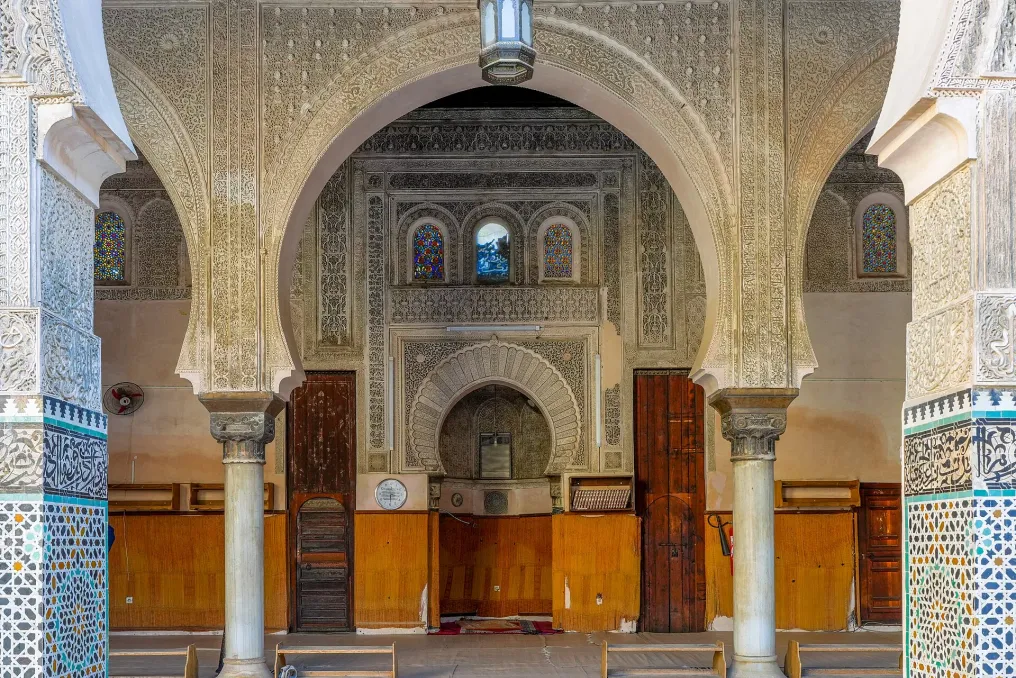
In Fez, some of the most exquisite architectural details are hidden behind simple exterior walls. Traditional inner courtyards reveal carved cedarwood, geometric mosaics, and intricate stucco work. The city, founded between 789 and 808 AD, has become an important cultural and spiritual center. Its historic medina contains mosques, madrasas, markets, and traditional homes.

The Bou Inania Madrasa stands out for its detailed tilework and carved wood, while the surrounding alleyways show how age-old crafts remain part of daily life.

Gondar offers a glimpse into Ethiopia's imperial past. In 1636, it became the permanent royal capital under Emperor Fasilides, whose successors expanded the fortified complex known as Fasil Ghebbi. The complex includes castles and palaces that blend Ethiopian traditions with Arab, Indian, and Baroque influences. Nearby, historical churches and a bathhouse associated with Fasilides complement the city's architectural heritage.

It is recommended to explore the historic districts on foot and consider hiring a local guide to explain the architectural details and history. It is important to respect local customs, especially at religious sites, and ask permission before photographing people.

Traveler's Note: The information in this article is current as of publication, but entry requirements, transportation access, and safety conditions may change. Before booking or planning a trip, check information with relevant official bodies and consult current travel advisories. This is especially important for destinations affected by conflicts or other security issues.

From the earthen villages of Morocco to the carved doors of Zanzibar—Africa's architecture shows how people lived, worshipped, and exchanged ideas across generations. One must look beyond famous landmarks, as the buildings themselves become a way to understand the history of each place.

Popular