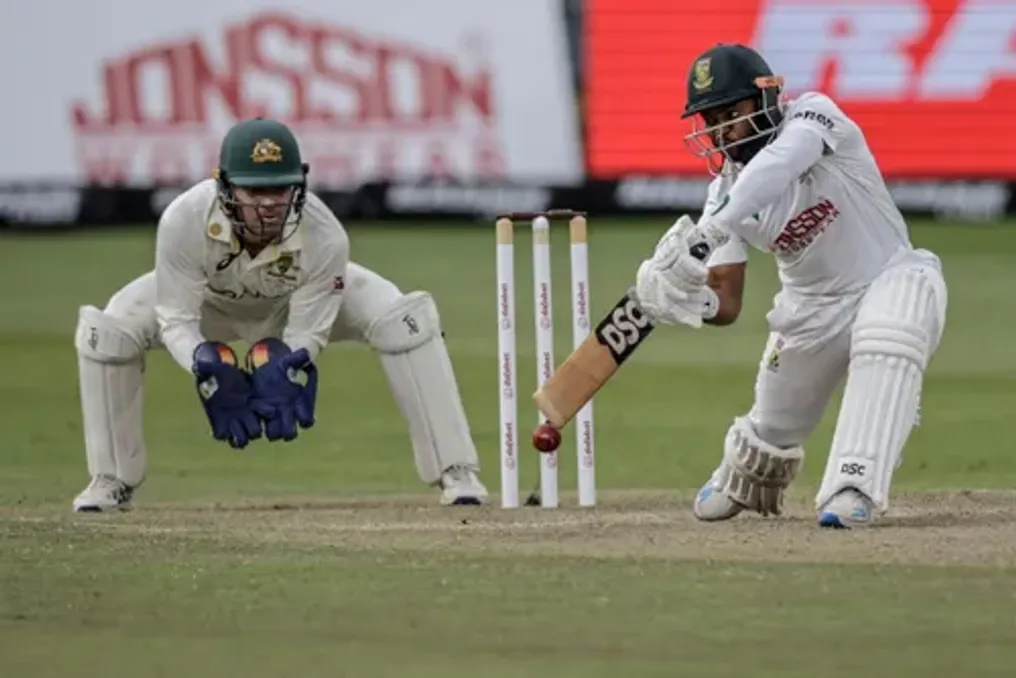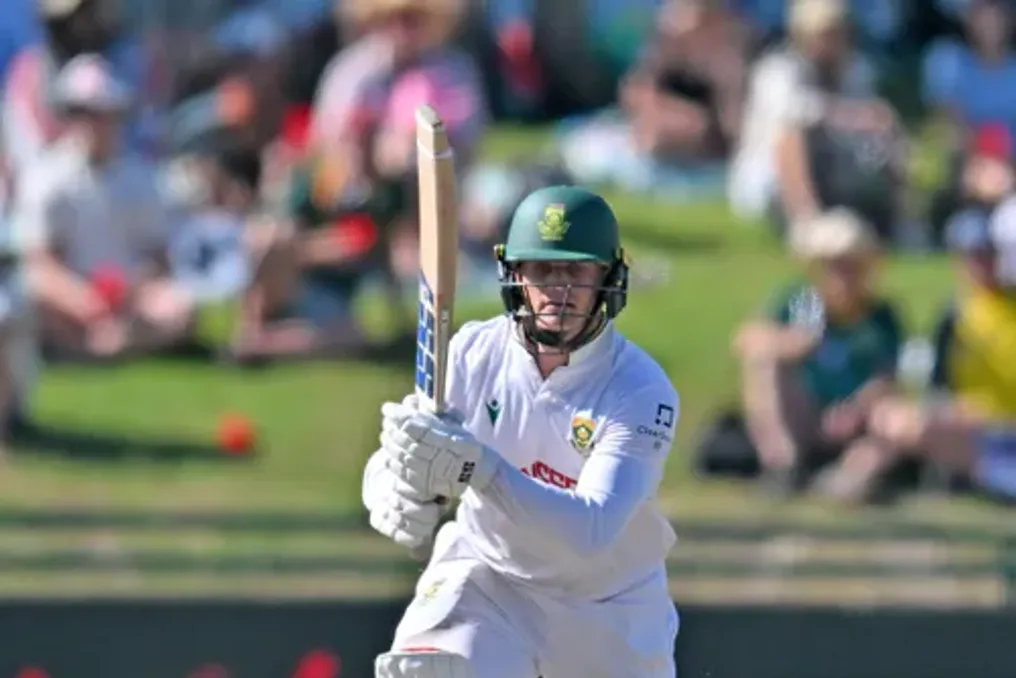
The outcome of the confrontation between South Africa and Australia boils down to a simple condition: South Africa must take 10 wickets, and Australia needs 288 runs to win. A victory in this match will secure the team a series win and the ICC Test No. 1 ranking.
Before the final day of the tense series in Newlands, Proteas spinner Ryan Rickelton noted that the situation was extremely clear: 'It's either a win or a loss. There will be no draw tomorrow (Saturday).'
Rickelton shared his impressions of the series, calling it special. He emphasized that the series was dynamic, with constant shifts in leadership between both teams, and noted that it was an 'amazing' tournament.
Unlike Australia's previous visit to South Africa eight years ago, this series focused exclusively on cricket, avoiding drama and disputes, which in itself created many plot twists.
Day four of the match was filled with dramatic moments. Thanks to the partnership of Ryan Rickelton and Vian Mulder, which brought up 156 runs for the sixth wicket, the home team managed to regain momentum. However, Australia interrupted this rise by dismissing Rickelton shortly after the left-arm bowler reached his third century in tests, leading to a collapse of Proteas by four wickets in just 16 overs.
Nevertheless, the game did not end. South Africa continued the fight, and Mulder, along with the last batsman Kagiso Rabada, added another 36 runs for the tenth wicket. Rickelton called this partnership 'very big' and 'massive.'
He admitted some disappointment that the dismissal of Rickelton deprived the team of the opportunity to approach the 300 or 350-run mark. Nevertheless, he believes that the possibility of reaching an effective 290 runs and forcing the opponents to do so on the fifth day is significant psychological pressure. He hopes that the last 20 or 30 runs scored will be enough for a breakthrough.
Responding to the question of how Proteas can take 10 wickets on a surface he describes as 'flat' and 'good for play,' Rickelton suggested that the new ball would provide opportunities for both scoring runs and taking wickets. He also noted that the pace of the game has slowed down, and if Australia decides to attack, it could work against them, as playing on a slow, low, and deteriorating surface presents a serious challenge.
Rickelton added that for right-handers, the ball behaves aggressively when swinging back. Since Australia has four left-handed batsmen, the South African team plans to put pressure on them, whether by waiting or actively attacking, depending on the opposition's playing style.