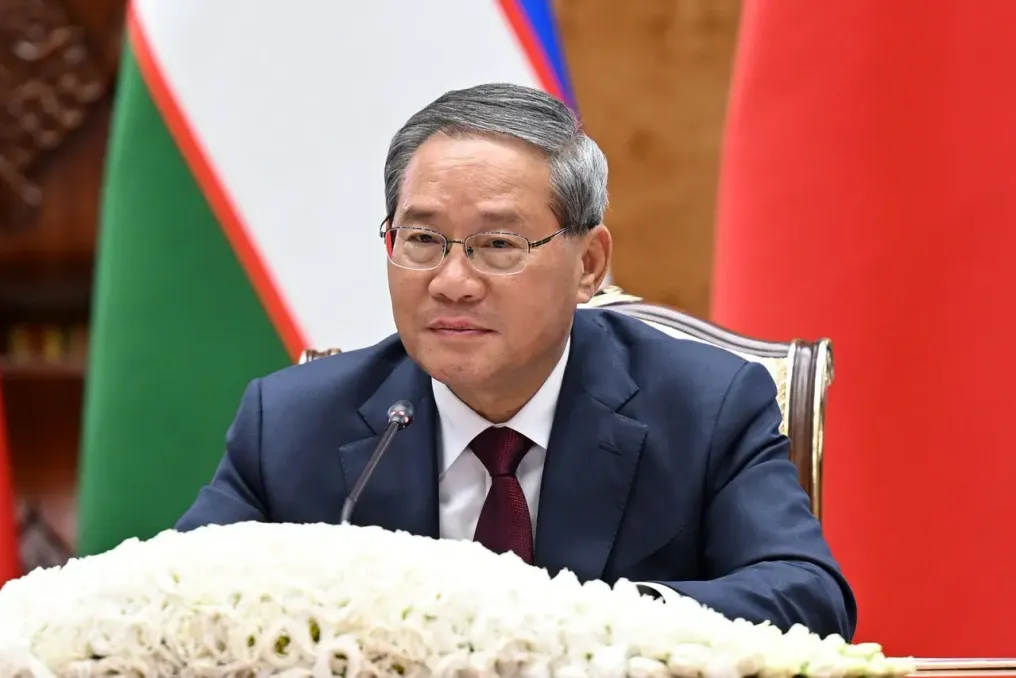
A Chinese representative called on Thursday to strengthen efforts to ensure that developing technologies serve the interests of maritime security and public well-being.
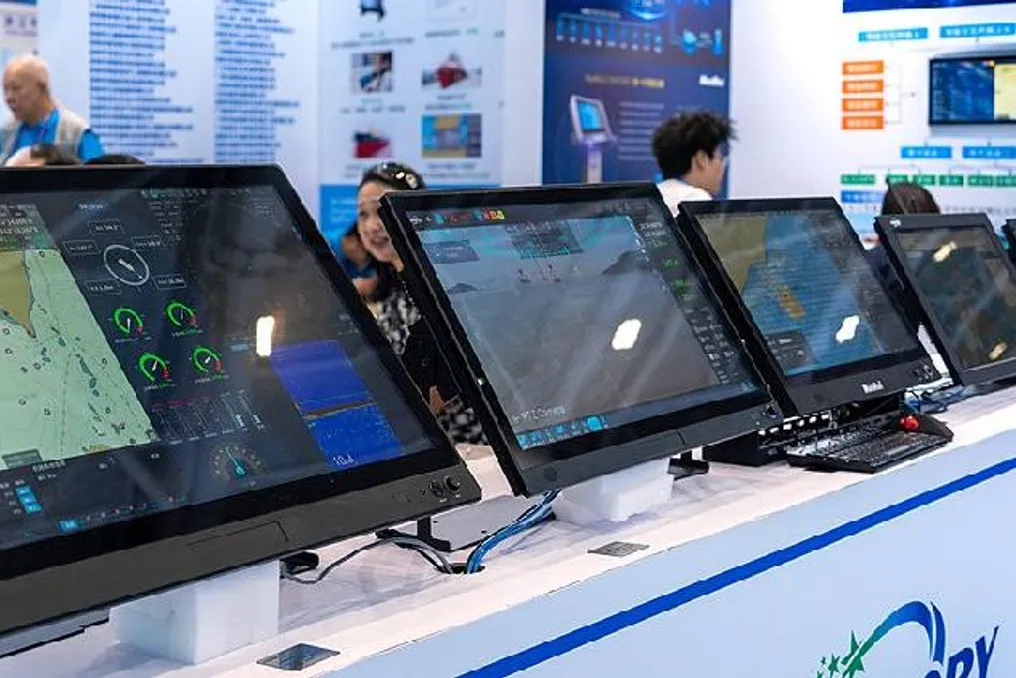
A number of new technologies are rapidly developing, such as artificial intelligence (AI), low-orbit constellations, and unmanned systems. These developments have significant potential to support maritime activities, the development of the blue economy, and the maintenance of maritime security.
However, according to Fu Cong, China's Permanent Representative to the United Nations (UN), the misuse and improper use of these technologies, along with a growing governance deficit, create new threats and challenges to maritime security.
He stated at an open meeting of the Security Council on emerging technologies and maritime security that the international community should strengthen solidarity and cooperation, giving equal weight to development and security, and ensuring that new technologies contribute to maritime security and people's well-being.
Fu Cong emphasized that all states must adhere to a human-centric approach and direct the development of new technologies for the benefit of humanity. It is necessary to comprehensively apply technological tools to enhance situational awareness, early warning, and emergency response capabilities, thereby more effectively combating maritime crimes, supporting law enforcement, search and rescue operations, and mitigating natural disasters.
Furthermore, he noted the need to strengthen technical risk assessment and regulatory frameworks. This is necessary to prevent the use of new technologies by terrorist forces and criminal groups, protect against cyberattacks, data leaks, and loss of control over autonomous systems, while ensuring that technologies remain constantly safe, reliable, and controlled.
In Fu Cong's view, regional conflicts in recent years have heightened tensions in adjacent waters and international sea lanes, undermining the stability of global supplies and maritime trade. He called on interested parties to adhere to the concept of common, comprehensive, cooperative, and sustainable security, actively participate in dialogue and consultations, resolve disputes through diplomatic means, and facilitate the speedy achievement of lasting peace in the region.
He also insisted on the need to increase financial, technological, and capacity-building support for developing countries, promoting fair access to new technologies for people worldwide, and bridging the digital and development divide. He added that it is necessary to jointly create an open, inclusive, beneficial, and non-discriminatory environment for technological progress, avoid the excessive expansion of the concept of national security in the field of technology, and counter attempts to provoke bloc confrontation or force countries to take sides.
Fu Cong stated that all countries are obliged to interpret and apply the UN Convention on the Law of the Sea fully, accurately, and in good faith, ceasing selective application and double standards. China supports the active role of the UN in improving global governance in the areas of new technologies and oceans, as well as in fully ensuring the equal rights of developing countries to participate in shaping international rules.
In conclusion, Fu Cong noted that China is a major participant in global technological progress and a staunch defender of the rule of law at sea, and is ready to work with the global community to use new technologies to ensure maritime security, expand and improve global development, and jointly build a prosperous world with calm seas.