Art festival shows that the creative economy depends on both creators and audience
Read more
YourStory [india, en]
yourstory.com

Art festival shows that the creative economy depends on both creators and audience

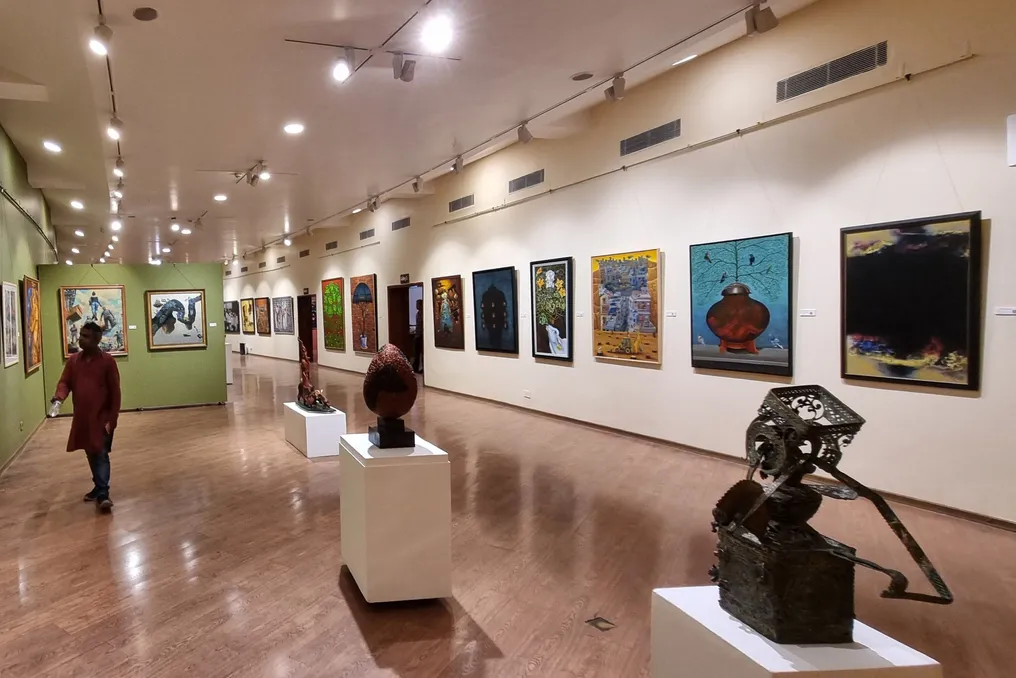
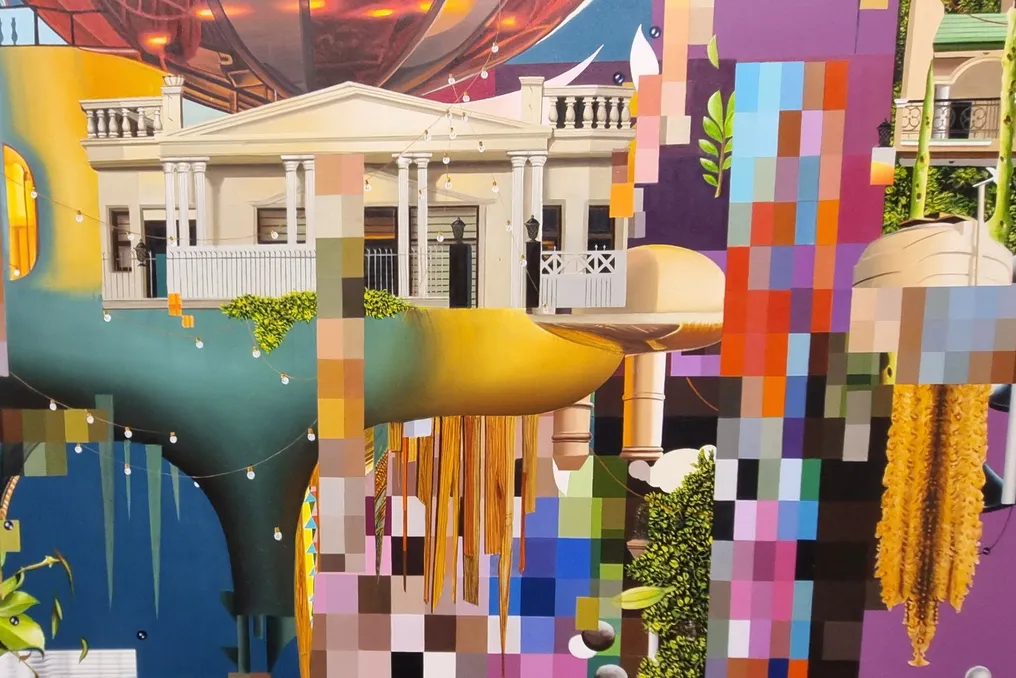
The art festival recently held in Chennai demonstrated that the creative economy is largely determined not only by creators but also by viewers. The 'Contemporary Now' festival held its third session in Chennai, gathering collaborations with art galleries from cities such as Calcutta, Ahmedabad, New Delhi, and Mumbai.

During the event, a diverse collection of artworks was presented in ten different locations across the city. Among the exhibition participants were artists such as Ashwini Bhat, Pradjakta Potnis, Hageshwar Raut, Amitesh Srivastava, Sandip Mukerji, Sadju Kunhan, Pratap Mori, and Benita Persial, as well as many others.

Mixed-media artist Benita Persial noted that now is a favorable time to immerse oneself in art, as social media has significantly strengthened the connection between both emerging artists and the audience.

Previously, access to art was limited to catalogs and visits to a few galleries, which required either waiting for access and exhibitions or expensive trips to other cities. However, according to Persial, online access is now instant and global. Nevertheless, she warns that excessive online presence can be confusing or exert pressure.

Digital platforms and artificial intelligence have simplified and accelerated the process in the art sector, but Persial believes this also reduces the satisfaction derived from the process of searching for or creating something after significant effort.

Festival directors Ashwin Rajagopalan and Priyanjoli Basu expressed satisfaction with the results of the event for the art community in Chennai and beyond. Rajagopalan reported that collectors who usually rarely leave home attended the festival, as well as many art enthusiasts and students who were able to see events happening in other parts of the country thanks to institutional partners in other cities.

There are intentions to hold more sessions of this festival. Rajagopalan added that they might organize two or three editions of 'Contemporary Now', which could take place in Ahmedabad, Baroda, or Santiniketan, in addition to Chennai.

Basu observed that the level of contemporary art presented at the festival may not have previously been showcased in Chennai. She noted that she received many reports about major art events taking place in Delhi and Mumbai, but fewer in Chennai.

The art community expressed the opinion that this event should happen more frequently in Chennai to sustain the discussion, and that the exhibited works should be shown in other places, not just once a year.

Basu pointed to current trends in the Indian art market, noting the growing value of art addressing themes of politics, gender, and climate change. She emphasized that people seek to engage with new narratives and trends, and there is a growing demand for works by young female artists.

Rajagopalan added that many contemporary artists respond to world events, and collectors also respond to such art because it evokes strong emotions in them. He noted that informed collectors are capable of finding more artists working in this direction.

Both directors see the increasing significance of art's role in the modern world, as well as the need to raise the level of art recognition in society. Rajagopalan stated that artists voice the uncertainties and conflicts of the world, and engaging with such art reflects a person's concern for these issues.

Basu urged the audience to discuss art with the people they meet, attend art events, and visit art galleries. She also advised visiting galleries in cities during vacations and viewing museums when traveling abroad, which will help improve understanding and appreciation of art right here in India.
Similar stories

Vijay Subramaniam discusses the impact of artificial intelligence on the changing media landscape
Read more
yourstory.com

Vijay Subramaniam discusses the impact of artificial intelligence on the changing media landscape

The media industry has long functioned in isolated segments: agencies managed stars, studios created films, platforms distributed content, and brands paid for audience reach. However, these boundaries are blurring today. Creators are building their own enterprises, artificial intelligence is transforming the content creation process, and one story or character can become the starting point for films, series, and brand partnerships.

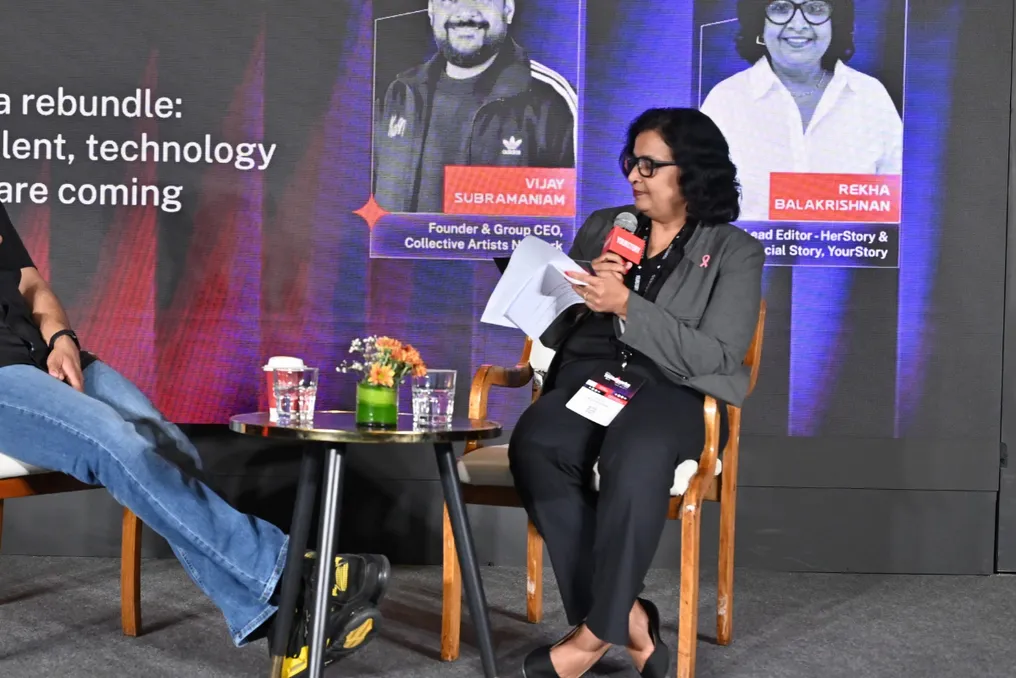
Collective Artists Network, founded by Vijay Subramaniam, operates in several such areas. During a fireside chat titled 'The Great Media Repackaging: Why Content, Talent, Technology, and Commerce Are Merging at TechSparks 2026,' Subramaniam discussed how his project integrates layers in communities of talent, marketing, and technology, as well as the role of AI in this overall scheme.

Having earned the nickname 'the AI man in the media industry,' Subramaniam stated that despite concerns, he confidently embraces this role because technology will remain here forever. He expressed the conviction that content creation should be equal in opportunity. Historically, only a few elites had the right to tell stories, but in his opinion, anyone who has a story should have the ability to tell and consume it. His company actively implements this idea, possessing, according to him, the world's largest portfolio of AI-enhanced content.

According to Subramaniam, the media business is recession-proof. He noted that during the COVID-19 pandemic, everyone was forced to stay home to consume content, meaning media risks losing nothing. The risk exists for media operators who fail to adapt to changes.

He also pointed out that the Indian media ecosystem is experiencing a decline of oligarchs for the first time. Citing successful post-pandemic projects like KGF, Mahavatar Narsimha, and Netflix shows, including the recently released Musafir Cafe, which became a Netflix hit, he emphasized that success is achieved by new faces and fresh talent, not by people who have controlled the industry for decades. He believes that these newcomers will prevail.

Regarding whether AI makes content cheaper and more profitable, Subramaniam answered affirmatively. He stated that business profitability will increase by two hundred percent, and storytelling will become democratic, allowing stories to be created from anywhere, such as Jabalpur or Coimbatore. However, he warned that this is not just about writing a prompt and getting 'AI sludge'; the same principles as in animation are required: production designer, costume artist, cinematographer. He added that AI will never replace a screenwriter and dialogue, as there must always be a person behind the project capable of conveying the director's vision.

The company built its tool G5 by working with four National Award-winning directors: Rajesh Mapushkar (for the film Ventilator), Hansal Mehta, Sanjay Puran Singh Chauhan, and Manu Anand. These directors defined what should be in the product, and this is being implemented in the current development.

Speaking about a fully AI-generated animated and visual series about the Mahabharata, set to release at the end of 2025, Subramaniam admitted that lessons were learned from the first release. He reported that they are proud to be the first in the world in this field, and thanks to technological improvements starting next month, viewers will see enhancements: the content now includes emotion, comedic timing, as well as genuine stress, grief, and other expressions.

Although creators' economies are rapidly evolving thanks to AI, new business models, and direct sales channels, the industry faces a question: what will determine success in the next five years—talent, stories, or access to the audience? For Vijay Subramaniam, the answer lies in recognizing that the audience is becoming increasingly unpredictable. He noted that any formula they try to use is inevitably broken.

Examples like Musafir Cafe challenge the belief that big-budget streaming shows must match the scale of Game of Thrones or House of the Dragon. Similarly, the success of films like Dhurandhar refutes the notion that audiences will not dedicate time to theatrical releases. In a situation where established formulas offer little guarantee, Subramaniam believes that the fundamentals of a successful creative business remain the same: finding the best storytellers, providing them with the necessary resources, and ensuring economic viability.

Youth Festival 'Jingil Creative Fest' Held in Nukus
Read more
uza.uz

Youth Festival 'Jingil Creative Fest' Held in Nukus

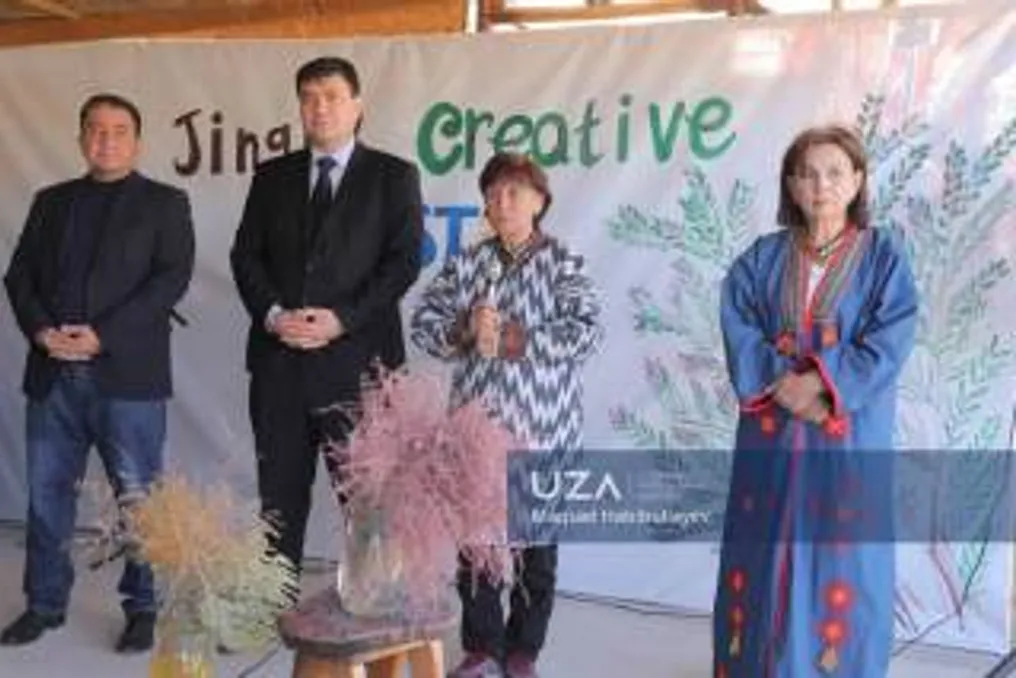
The youth festival 'Jingil Creative Fest' took place in Nukus, held on the shore of Ashshikkol at the 'Korakpak Ethno-aul' complex.

The festival embodied the natural and cultural heritage of the Lake Basin, as well as modern achievements in creativity, tourism, and the creative economy.

How art platforms, exhibitions, and awards contribute to the development of the creative economy
Read more
yourstory.com

How art platforms, exhibitions, and awards contribute to the development of the creative economy

PhotoSparks, a weekly column from YourStory launched in 2014, features photographs that celebrate the spirit of creativity and innovation. Over its existence, in more than 1020 publications, various events have been presented, including art festivals, comic book galleries, world music festivals, telecommunication exhibitions, grain fairs, climate change expositions, wildlife conferences, startup festivals, Diwali rangolis, and jazz festivals.

Recently, the Lalit Kala Akademi (LKA) in New Delhi held its 65th National Art Exhibition. This exhibition featured over 270 works of art from across the country, selected by a jury from 6175 submitted entries.

Furthermore, twenty artists received awards from the Lalit Kala Akademi. Among the awardees were Pooja Rajput, Praveen Kumar, Pritam Madhukar Deuskar, Rajendra Prasad, Ramesh Vital Torat, Raviram Ramakrishnan, and Sanjay Kumar.

Such exhibitions and awards help transform artistic talents into sources of income, fostering creative business, tourism, and international recognition. They strengthen the creative economy by connecting artists with audiences, buyers, institutions, and markets, while preserving the cultural identity of the country.

Exhibitions provide artists with an opportunity to display, promote, and sell their work. They link creators to a wider ecosystem of collectors, galleries, curators, cultural institutions, and potential investors, thereby opening avenues for income generation and professional growth.

In the case of national exhibitions in India, opportunities also arise to showcase traditional crafts, indigenous knowledge, and contemporary artistic practices. Thus, cultural assets move beyond nostalgia and become sources of sustainable economic value.

Art competitions, in turn, stimulate the pursuit of perfection, experimentation, and willingness to take creative risks. By holding them annually, they discover new talents, provide visibility to underrepresented artists, and create pathways to grants and residencies, as demonstrated by the activities of LKA and its centers across India.

Art exhibitions delight and inspire art lovers, prompting artists to develop new techniques, materials, and ideas. At a broader level, this strengthens the nation's base of creative skills and promotes innovation in design, fashion, architecture, digital media, and other creative industries.

Awards conferred by national institutions, such as LKA, lend authority and elevate the status of artists and creative enterprises. National prizes also help set benchmarks of excellence, recognize cultural achievements, and shape a distinct national creative identity.

As shown in this photo essay, the diverse works of art presented at exhibitions help emerging artists realize the opportunities that current practices offer. It also paves the way for exploring how other media can expand creative horizons, for instance, through digital technologies.

Collectively, exhibitions, competitions, and awards contribute to the creative economy of India. Regional creators can interact with national and international buyers, galleries, cultural institutions, and digital platforms.

Traditional art forms and indigenous knowledge can be sustained while simultaneously encouraging new creative expressions. The annual LKA exhibition motivates cultural institutions and private partners to invest in accessible venues, professional development, and fair compensation for artists.

Special attention should be paid to emerging artists, regional creative communities, women, youth, and indigenous practices. Success should be measured not only by attendance or media coverage but also by artists' income, tourism expenditure, repeat market opportunities, and international partnerships.

In conclusion, sustainable investment and effective partnership through platforms like LKA can ensure that India's artistic and cultural wealth generates long-term social, cultural, and economic value.

Popular