Five Famous Palaces of South India Representing the Region's Rich Historical Heritage
Read more
Aaj Tak
www.aajtak.in

Five Famous Palaces of South India Representing the Region's Rich Historical Heritage

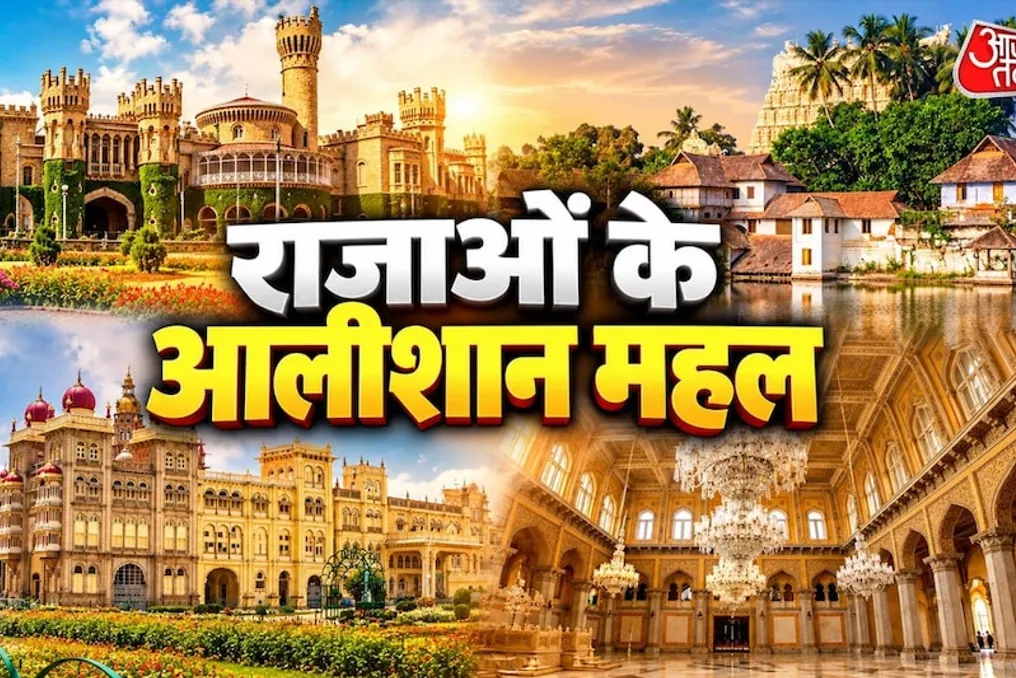
India's history is as ancient as its magnificent historical structures. Many royal palaces are located in South India, renowned for their luxurious design, exquisite carvings, and the rich histories of local dynasties. Visiting these places allows one to glimpse the echoes of the lives of ancient kings and queens. Some palaces feature delicate wood carvings, while others impress with large chandeliers and grand reception halls. Those who love travel and history are recommended to include these five royal palaces of South India in their list of must-visit destinations.

Famous Palaces of South India

The Mysore Palace in Karnataka state is considered one of the most beautiful royal palaces in India. It is associated with the Wodeyar dynasty and stands as an impressive historical building. The palace architecture combines elements of Hindu, Muslim, Rajput, and Gothic styles. Tourists are attracted by the colorful stained-glass ceilings, intricately carved doors, and grand ballrooms. During the Dasara festival, the palace is adorned with thousands of lights, making its view unforgettable.

The Padmanabhapuram Palace, located in Tamil Nadu, is famous for its traditional Kerala-style architecture. This picturesque historical complex is constructed from wood. Detailed carvings on the walls, doors, and roofs attract visitors' attention. Inside the palace, one can see shiny black floors, expansive courtyards, and antique rooms, offering a closer look at the lifestyle and daily life of past royal families.

The Chowmahalla Palace in Hyderabad once served as the residence of the Nizams. This palace is known for its regal appearance and luxurious decoration. The word 'Chowmahalla' means 'four palaces'. The architectural style of the palace is a fusion of Persian, Muslim, and European influences. Its reception hall, complemented by large glittering chandeliers and marble flooring, is particularly noteworthy. This place will surely appeal to those interested in history and royal architecture.

The Bengaluru Palace, situated in the capital of Karnataka, Bengaluru, stands out with its unique architecture reminiscent of Windsor Castle in England. The complex includes tall towers, magnificent wooden structures, and beautiful park areas. Inside, there are antique furniture, paintings, and photographs illustrating the history of the Wodeyar dynasty. A stroll here demonstrates a harmonious blend of Indian and European architectural art.

Hill Palace, located near Kochi in Kerala, was once the residence of the Kochi royal family. Today, it is one of Kerala's largest archaeological museums. Within this complex, surrounded by lush greenery, there are numerous buildings. Here, one can examine antique artifacts, paintings, sculptures, and historical documents related to the royal family. The tranquil atmosphere and abundance of greenery make Hill Palace an ideal place for relaxation and historical study.

These five palaces of South India are not just beautiful buildings but also symbols of the region's royal past, culture, and art. If you are planning a trip to South India, it is worth considering including these sites in your itinerary.

Similar stories

Nine Ancient Indian Historical Monuments Older Than a Thousand Years That Retain Their Beauty
Read more
www.aajtak.in

Nine Ancient Indian Historical Monuments Older Than a Thousand Years That Retain Their Beauty

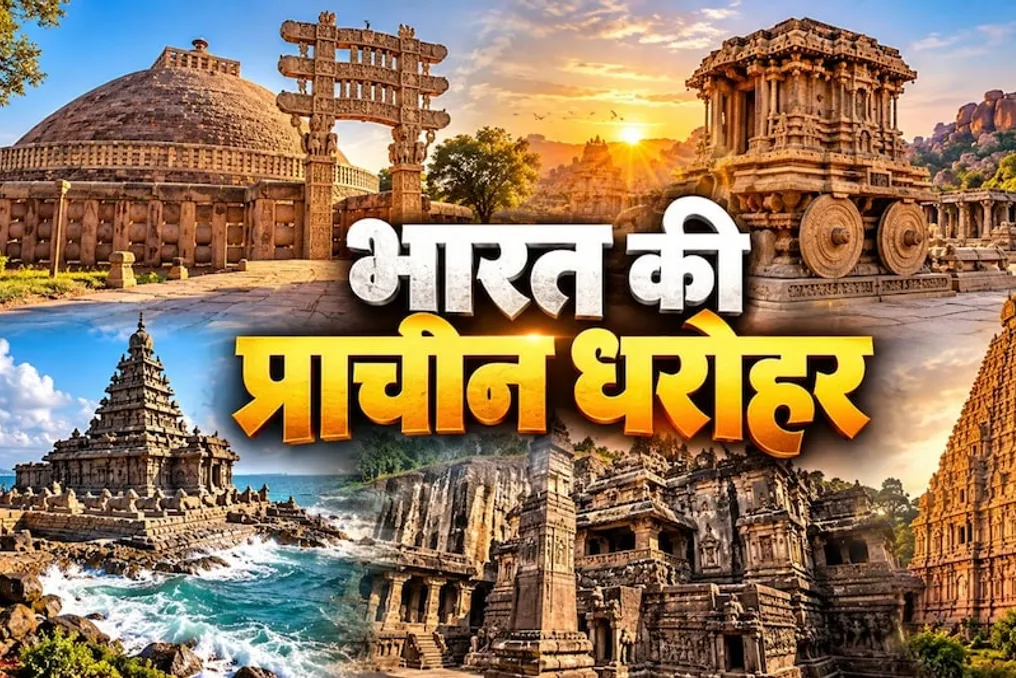
India is home to numerous sites renowned not only for their beauty but also for their long history. Ancient temples, massive stupas, and rock-cut caves are outstanding examples of Indian art and architecture. Notably, many of these monuments are older than a thousand years, yet they continue to impress visitors with their grandeur and unique design.

Detailed carvings on the walls, tall spires, and the finest craftsmanship demonstrate the skill of artisans from that era. Those interested in history and travel should learn about these historical structures of India. Some serve as major centers of religious faith, while others are known worldwide for their unique structure and historical significance. Let us examine eight such historical monuments of India.

Sanchi Great Stupa, Madhya Pradesh

The Great Stupa at Sanchi, located in Madhya Pradesh, is one of the oldest Buddhist monuments in India. Its construction began during the reign of Emperor Ashoka in the third century BCE. This stupa is known as a repository of relics associated with Buddha. The delicate carvings on its entrance gates attract tourists, offering an opportunity to study the history of Buddhism and ancient Indian art in detail.

Shore Temple, Mahabalipuram, Tamil Nadu

The Shore Temple, situated in Mahabalipuram, Tamil Nadu, dates back to the eighth century. It was built during the reign of the Pallava king Narasimhavarman II. Located on the coast of the Bay of Bengal, this temple is famous for its magnificent stone construction. It is considered one of the early stone temples of South India. This temple is included in the UNESCO World Heritage List and serves as a brilliant example of ancient Indian architecture.

Kailasa Mandir, Ellora, Maharashtra

The Kailasa Mandir in Ellora, Maharashtra, is famous for its unusual form. This temple, built in the eighth century, was created by carving out of a single giant rock. The temple is dedicated to the god Shiva, and its structure is believed to be inspired by Mount Kailash. The carvings on the walls, columns, and sculptures of the temple demonstrate the skill of ancient masters. The creation of such a temple from one enormous rock is an example of the amazing engineering of that time.

Hajuraho Temples, Madhya Pradesh

The temples in Khajuraho, Madhya Pradesh, were built during the Chandelas' rule, approximately between 950 and 1050 CE. These temples are known worldwide for their intricate sculpture and magnificent carvings. The stones depict scenes related to deities, dancers, and daily life. The art of these temples reflects the Indian culture, religious beliefs, and way of life of that period. Initially, there were about 85 temples here, of which about 25 have survived to this day.

Barabar Caves, Bihar

The Barabar Caves, located in Bihar, are considered among the oldest rock-cut structures in India. Their construction dates back to the third century BCE, during the Mauryan period. These caves were used by followers of the Ajivika sect. The granite walls and the smooth, glossy surface of the interiors are particularly valuable. Such precise work without the use of modern machinery testifies to the technical understanding of ancient India.

Brihadeeswarar Temple, Tamil Nadu

The Brihadeeswarar Temple in Thanjavur, Tamil Nadu, was completed around 1010 CE during the reign of the Chola emperor Rajaraja I. This temple is dedicated to the god Shiva and is known for its monumental structure. Its high vimana, or main spire, is visible from afar. A huge statue of Nandi is also located within the complex. Despite being over a thousand years old, religious rituals are still performed here.

Lingaraj Temple, Odisha

The Lingaraj Temple in Bhubaneswar, Odisha, is presumed to have been built in the 11th century. It is dedicated to the god Shiva and is a fine example of Kalinga architecture. The temple's tall spire and small shrines within the complex lend it beauty. The fine stone carving makes it unique. In addition to its religious significance, this temple reflects the ancient art and architectural style of Odisha.

Virupaksha Temple, Hampi, Karnataka

The construction of the Virupaksha Temple in Hampi, Karnataka, dates back to approximately the 7th century. It is dedicated to the form of Shiva Virupaksha. The temple's beauty is enhanced by a high entrance, mandapas with massive columns, and delicate sculptures. During the Vijayanagara Empire, the temple was expanded. It is important to note that religious services have been held here for centuries, and this temple is an integral part of Hampi's historical identity.

Badami Caves, Karnataka

The cave temples in Badami, Karnataka, were created between the sixth and seventh centuries. They are considered an example of the magnificent architecture of the Chalukya dynasty. These four caves, carved into red sandstone, contain sculptures belonging to Hinduism and Jainism. Among the main attractions are depictions of Nataraja Shiva and various forms of Vishnu.

Why Are These Ancient Indian Monuments So Important?

These historical monuments of India hold great significance...

Five Famous Monasteries of Ladakh: Spiritual Centers Amidst the Mountains
Read more
www.aajtak.in

Five Famous Monasteries of Ladakh: Spiritual Centers Amidst the Mountains

Ladakh is associated with majestic mountains, picturesque valleys, and snowy peaks; however, besides its natural beauty, the region possesses a rich spiritual heritage. Numerous ancient Buddhist monasteries, known as gompas, are located in Ladakh. These structures serve not only as places for religious rituals but also as vital centers for preserving Buddhist culture, art, and education.

Situated in a tranquil atmosphere amidst the mountains, these monasteries offer an opportunity for solitude, meditation, and finding inner peace. If you aim to escape the hustle and bustle of daily life, it is worth including five outstanding Ladakhi monasteries in your travel list.

Alchi Monastery is located in the village of Alchi, which belongs to the Leh Ladakh district, and is considered one of the oldest in the region. Unlike most Buddhist monasteries built on elevated ground, Alchi is situated in a low-lying area by the banks of the Indus River. Its specialty lies in ancient works of art and magnificent wall paintings that display features of Tibetan and Kashmiri art. The complex includes three main temples: Dukhang, Sumtshek, and Manjushri. Here, visitors can see huge Buddha statues and ancient paintings, making this place attractive to lovers of history and spirituality.

Basgo Monastery is also located on the banks of the Indus River. It was built during the time of the rulers of Ladakh, Namgyal, in the 17th century and holds significant religious and historical value. The monastery stands on a hill overlooking the ruins of a nearby old settlement. Its grounds contain the Chamchung, Chamba Lhaang, and Serjang temples, and feature depictions of Maitreya Buddha and ancient frescoes. Thanks to its mountain location, Basgo offers beautiful views and is ideal for getting acquainted with the ancient heritage and Buddhist culture of Ladakh.

Lingse Monastery is located in the remote Jamsarka region of Ladakh. It was founded by Changsem Sherab Jangpo in the 1440s. Approximately 60 monks reside in this monastery, and it has six main places of worship. Lingse's most valuable quality is its secluded and peaceful environment. Located among the mountains, it is a wonderful place for meditation, spiritual pursuits, and quiet relaxation, allowing one to escape urban hustle and get closer to nature. However, since it is a remote area, it is necessary to clarify route and travel organization information in advance.

Karsha Monastery is located in the Padum valley, in the Jamsarka Ladakh region, and is also known as Karsha Chamspalin. It is among the largest and most significant Buddhist monasteries in Jamsarka. The Doda River flows near the monastery, originating from the Drang-Drung glacier. Here, visitors can see ancient temples, rock carvings, and old wall paintings. Among the oldest structures of the monastery is the Avalokiteshvara temple. For those who wish to study religious traditions more deeply, it is recommended to plan a trip during the Karsha Gustor festival, when traditional cham dances in masks are held. It should be noted that the festival dates change according to the Tibetan calendar, so prior verification is required.

Hemis Monastery is situated on the banks of the Indus River in the Hemis Ladakh region. It is closely associated with the Drukpa Buddhist tradition and serves as an important center for Buddhist education, practice, and culture. Tourists are attracted by the ancient paintings and religious customs of this monastery. It also features paintings of the 84 Mahasiddhas, executed using mineral pigments. The annual Hemis festival is very famous; traditional rituals and mask dances dedicated to Guru Padmasambhava are held in June. Hemis can be part of your trip if you want to experience the cultural and spiritual heritage of Ladakh.

These Ladakhi monasteries represent not only religious sites but also an opportunity to understand the history, art, and culture of the region. The calm atmosphere created by the mountains provides a chance to step away from daily rush and spend time alone with oneself. If your next trip involves natural beauty, consider visiting these monasteries for spiritual tranquility.

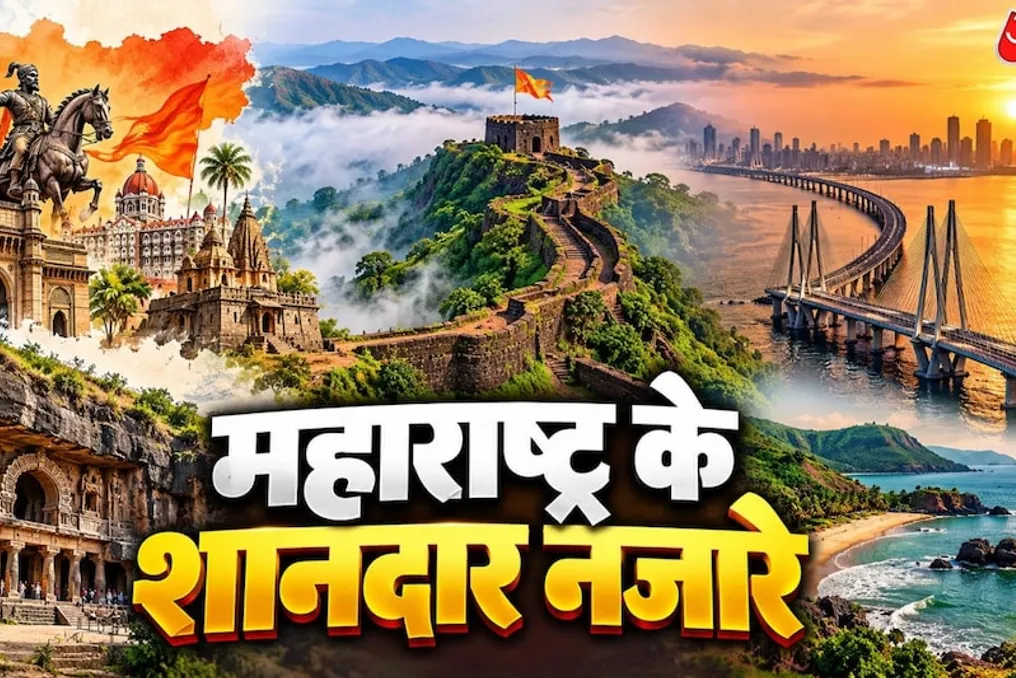
Maharashtra: 10 Best Tourist Destinations Combining Mountains and Sea
Read more
www.aajtak.in

Maharashtra: 10 Best Tourist Destinations Combining Mountains and Sea

Maharashtra is one of the states in India that offers numerous diverse places to visit. Here you can enjoy the hustle and bustle of large cities as well as spend peaceful time on the seashore. If you like the greenery of the mountains, you can visit hill stations such as Lonavala and Mahabaleshwar. For lovers of history and culture, there are many historical buildings and forts in cities like Pune, Daulatabad, and Chhatrapati Sambhajinagar.

Additionally, the popular beaches of Mumbai, ancient temples, and the scenic views of Ratnagiri attract tourists. If you are planning a trip to Maharashtra, be sure to include these ten beautiful places in your travel list.

Major Attractions of Maharashtra

Amravati, located in eastern Maharashtra, is known for its religious sites and natural beauty. Among the main attractions here are the Ambadevi, Sri Krishna, and Venkateshwara temples. Other well-known places include Bir and Shakkar lakes. Tourists interested in nature and wildlife can visit the Melghat Tiger Reserve, located in the Amravati district.

Nashik is one of the most important religious centers in Maharashtra. This city, situated on the banks of the Godavari River, annually receives a large number of pilgrims, and the Kumbh Mela is held here. Near Nashik is the Triambakeshwar Jyotirlinga temple, which is one of the twelve Jyotirlingas dedicated to Lord Shiva. In addition to its religious significance, Nashik is famous for its surrounding beauty.

Pune is often called the cultural capital of Maharashtra. This city is famous for its history, education, and cuisine. Shaniwar Wada, located here, is a well-known historical site related to the history of the Peshwas, construction of which began in 1730 during the reign of Peshwa Bajirao I. Furthermore, Aga Khan Palace is among the main places in Pune and is related to the Indian independence movement.

If you want to spend time among the mountains and greenery away from the city hustle, you can go to Lonavala. This hill station, located in the Sahyadri range, is between Mumbai and Pune. During the monsoon season, the green valleys, waterfalls, and mountains look incredibly beautiful. Here you can enjoy the natural landscapes, as well as explore nearby viewpoints and historical sites.

Mumbai, as the capital of Maharashtra and a major economic center of the country, is famous for its dynamic life, beaches, historical buildings, and street food. Places to visit here include the Gateway of India, Marine Drive, Juhu Beach, Haji Ali Dargah, Hanging Garden, and Siddhivinayak Temple. If you are in Mumbai for the first time, it is nice to spend an evening at Marine Drive and try the local street food.

Chhatrapati Sambhajinagar was previously known as Aurangabad. This city is famous for its historical monuments and ancient architecture. From here, you can see the famous Ajanta and Ellora caves, which are recognized worldwide for their ancient art, sculptures, and architecture. Both caves are listed as UNESCO World Heritage Sites. The city also features the Bibi Ka Maqbara and Panchakki mausoleums.

Daulatabad, located near Chhatrapati Sambhajinagar, was formerly known as Devagiri. The Daulatabad Fort is famous for its sturdy construction and historical significance. Around and within the fort, you can see the Chand minaret, the Chinese Palace, and other historical structures. This place will definitely appeal to those interested in ancient forts, history, and architecture.

Mahabaleshwar is a picturesque hill station located in the Satara district of Maharashtra. The subtropical climate, green mountains, and valley views attract tourists. Here you can enjoy a boat ride on Venna Lake. Additionally, attractions include Lingmala Waterfall, Wilson Point, Kate's Point, and Tri Mandki Point. Pratapgarh Fort, located near Mahabaleshwar, is also a good choice for history lovers.

Khandala is a feminine hill station of Maharashtra, located near Lonavala. The green hills, valleys, and beautiful views of Khandala attract visitors. From viewpoints such as Duke's Nose and Amritajan Point, you get a magnificent view of the surrounding hills and valleys. It is an excellent place for a short weekend trip with friends or family.

Ratnagiri is a beautiful city in the Konkan region, located on the Arabian Sea coast. It is known for its beaches, natural landscapes, and historical sites. Ratnagiri is the birthplace of Lokmanya Bal Gangadhar Tilak. Here you can visit the Ratnagiri Fort and the Tiwa Palace. Furthermore, spending time on the seashore and tasting local Konkan cuisine will make your trip special.

Popular