World's Largest Catrina Statue Unveiled in Mexico City
Read more
Viagem e Turismo
viagemeturismo.abril.com.br

World's Largest Catrina Statue Unveiled in Mexico City

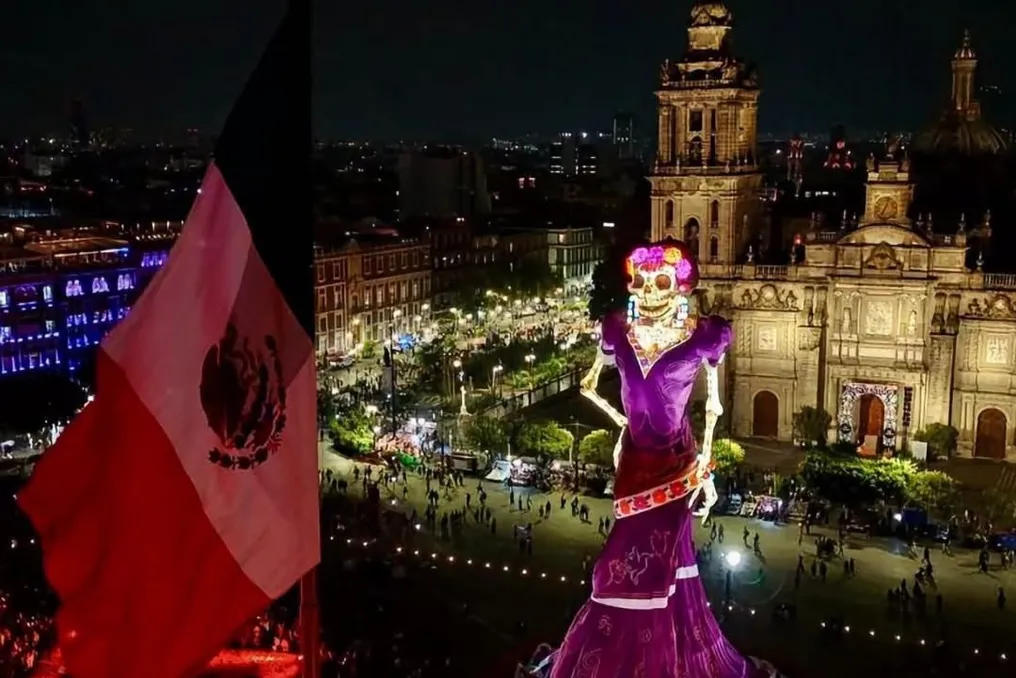
The world's largest statue of La Catrina was solemnly unveiled in Mexico City, located in the Zócalo, the city's main square. This monumental sculpture reaches an impressive height of 33.4 meters and has already been entered into the Guinness Book of Records, becoming a central element of this year's Day of the Dead celebrations.

The figure, dressed in purple and surrounded by thousands of cempasúchil flowers (the traditional Mexican flower for the deceased), was created by the workshop Taller Xibalbá. It is a tribute to the artist José Guadalupe Posada, who created the character in the early 20th century, making it one of the main symbols of Mexican culture. Later, this image was immortalized by muralist Diego Rivera.

Originally, Catrina was conceived as a satire on the Mexican elite who sought to imitate European customs. Through her skull appearance and elegant attire, she also conveys the message that social differences mean nothing in the face of death.

This installation is part of the traditional celebration of the Day of the Dead, which is primarily observed on November 1st and 2nd. This holiday goes beyond mere reverence for death; it is also a celebration of life and memory. Mexicans prepare altars decorated with photographs, candles, food, drinks, and flowers to symbolically welcome the souls of departed relatives and friends. It is believed that the bright color and aroma of cempasúchil flowers help the deceased return to the world of the living.

In addition to the giant Catrina, a massive offering is displayed in the Zócalo, including thousands of flowers, carpets made of colored sawdust, and special lighting.

Similar stories

Artist from Karnataka Sets World Record by Creating Largest Painting from Turmeric and Red Pepper
Read more
www.aajtak.in

Artist from Karnataka Sets World Record by Creating Largest Painting from Turmeric and Red Pepper

The Karnataka artist Amar Kale created a massive painting using only turmeric and red pepper powders, thereby earning recognition as the largest spice painting in the world.

Instead of traditional paints, brushes, and canvases, Amar Kale chose two spices commonly used in the kitchen: the yellow color of turmeric and the red color of red pepper powder. He created a monumental canvas measuring 175.82 square meters, equivalent to approximately 1892.5 square feet. For this masterpiece, about 6 kilograms of turmeric powder and 5 kilograms of red pepper powder were used. Notably, it took him about 10 hours to create this giant painting.

The significance of Amar Kale's painting lies not only in its colossal size. Through this work, he aimed to demonstrate the culture and historical heritage of his state, Karnataka. The painting depicts a map of Karnataka, with the famous Hampi stone chariot at its center. Hampi is known for its historical structures and monuments related to the Vijayanagara Empire. Amar wanted people from all over the world to learn about the identity, history, and culture of Karnataka through his art. The choice of spices was also due to Karnataka's close connection to spices, which allowed him to transform everyday items into a unique work of art.

Amar Kale's journey is also quite interesting. Since childhood, he was fascinated by painting, inspired by his father, who was also an artist. He gradually perfected his skills, and people began to appreciate his works. However, Amar received a degree in mechanical engineering and initially worked in that field. Nevertheless, his heart belonged more to painting. In 2018, he decided to dedicate himself fully to art, leaving his engineering job. It is important to note that he did not receive formal art training in any institution, but honed his skills through constant practice. He excels particularly in creating paintings resembling real photographs and portraits of people.

Creating a painting from turmeric and pepper is not Amar Kale's first major achievement; he has previously entered the Guinness Book of Records. In 2021, he set a record by drawing 98 handprints in one minute. Later, in February 2026, he achieved another record by painting with his mouth. Using a special mouth-painting tool, he prepared a painting covering an area of 112.36 square meters. Thus, the spice painting became another significant milestone in his career.

Through his artistic creation, Amar Kale also showed that creating art does not always require expensive paints and special materials. If there is creative thinking and a desire to work, something exceptional can be created from ordinary things. After completing the painting, he did not let the spice remnants go to waste, but donated them. His work was exhibited to the public. Amar stated his desire to continue creating paintings using new methods and bringing the culture, history, and heritage of India to the whole world through his art.

Filigree tradition found in Buenos Aires, recognized by UNESCO
Read more
viagemeturismo.abril.com.br

Filigree tradition found in Buenos Aires, recognized by UNESCO

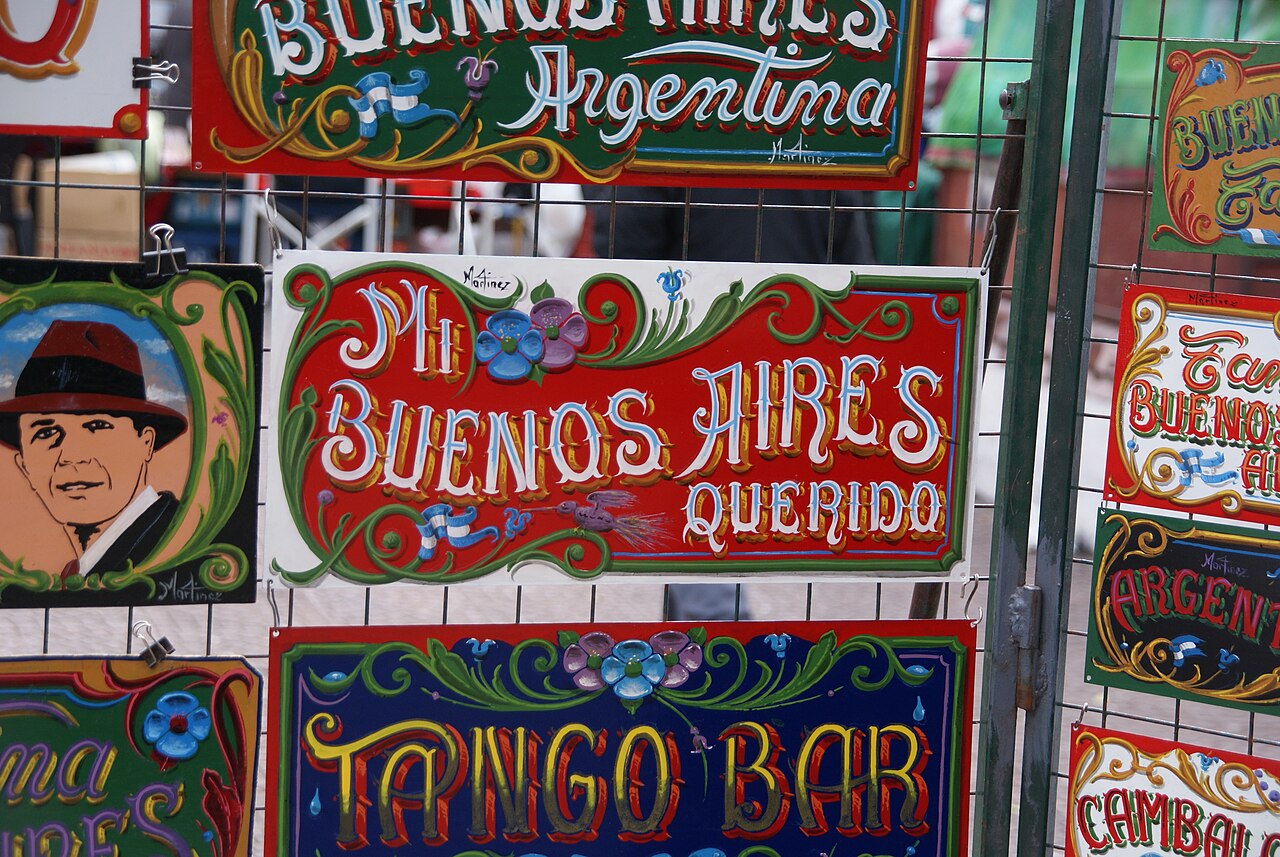
The filigree tradition, present in Buenos Aires, uses cursive letters and Gothic-inspired typography. The brushes employed in this painting are specific, possessing fine and elongated bristles, which allows for the creation of the characteristic strokes of this style.

Visitors to the Argentine capital can see filigree in multiple locations, ranging from vehicles such as buses and trucks to signage and facades of commercial establishments and residences. In 2015, this technique was recognized by Unesco as Intangible Cultural Heritage of Humanity.

Porteño filigree originated in Buenos Aires during the transition to the 20th century. Initially, its function was to decorate animal-drawn carriages used for transporting food and goods. Over time, the technique was integrated into the city's culture, becoming particularly associated with signs, shop windows, and trucks.

Artistic representations generally address social, religious, and cultural themes of the country, presenting icons that depict saints, political figures, renowned musicians, and football idols. Furthermore, popular phrases and proverbs in Castilian Spanish are quite common, often serving as a record of national collective memory.

Notable places to appreciate filigree

Although filigree is spread throughout the city of Buenos Aires, there are specific points worth noting. San Telmo, a neighborhood known for its bohemian atmosphere, serves as a notable example, considered an open-air museum dedicated to filigree, filled with murals and decorative signs.

One such location is Bar El Federal, located at Carlos Calvo Street, 599. This historic spot features a magnificent filigree mural and is often chosen as a starting point for cultural tours of the Argentine capital.

The San Telmo Market, located at Defensa Street, 1098, offers visitors fairs, antique stalls, and stands that help preserve signs and posters in this traditional artistic style. The Church of San Pedro González Telmo also displays various filigree works created by the influential master Martiniano Arce, one of the main exponents of Porteño filigree who remains active today.

The Abasto neighborhood area is strongly linked to tango culture, especially the memory of the singer Carlos Gardel, a celebrity figure for popularizing the musical genre. Both Jean Jaurès Street and adjacent streets are famous for forming a busy route to observe colorful facades and murals painted in filigree.

Additionally, the famous La Boca neighborhood, which houses the team Boca Juniors and the tourist attraction Caminito, is on the list of interesting places, displaying colorful facades adorned with the filigree style, linked to Argentine football iconography and the region's port history. The Boedo neighborhood, known for its bohemian atmosphere, with streets full of charming cafes and bookstores, also incorporates this decorative style on facades, usually in commercial establishment and bar signs.

San Ignacio Mini Ruins in Argentina — The Best Preserved Example of Jesuit Missions
Read more
viagemeturismo.abril.com.br

San Ignacio Mini Ruins in Argentina — The Best Preserved Example of Jesuit Missions

The Missions region, covering Argentina, Paraguay, and southern Brazil, is known for the ruins of old Jesuit settlements built between the 16th and 18th centuries. Along the border, in the gaucho towns of San Miguel das Missões and Santo Ângelo, the traces of this heritage are best known.

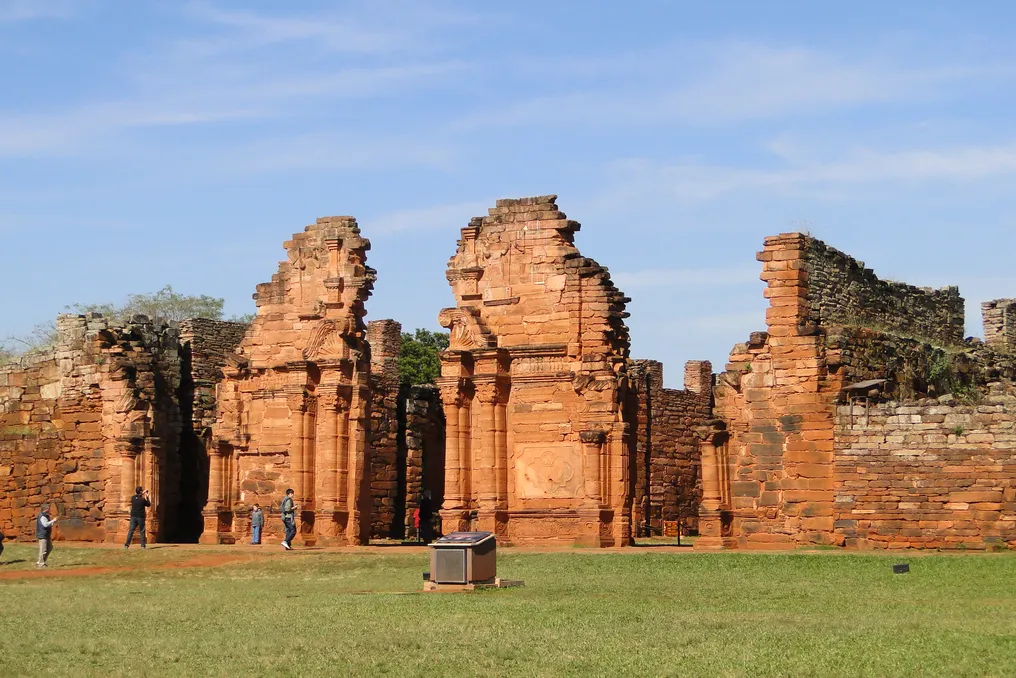
However, it is in Argentina that the most complete example of such an ancient settlement is located—the ruins of San Ignacio Mini, situated in the current municipality of San Ignacio. Although the church facade here is not as majestic as in San Miguel, these ruins are better preserved over time, considering the remains of other structures.

These ruins have been a UNESCO World Heritage site since 1984 and are only 250 km from the border with Brazil, near the Foz do Iguaçu region. Ruins of other settlements, such as Santa Ana, Santa Maria la Mayor, and Nuestra Señora de Loreto, are also preserved in the vicinity. History, architecture, and archaeology enthusiasts are recommended to plan a complete trip along the Missions route, both inside and outside Brazil.

San Ignacio Mini represents the most impressive archaeological site in the Misiones province of Argentina. Walking through the old settlement, one can see the structures and buildings that constituted daily life in the Mission, including the plaza, church, college, and cemetery.

At the entrance to the complex is a mansion that functions as a museum, telling the story of the Jesuit missions. The collection includes historical artifacts, sculptures, and a model of the original settlement. The museum demonstrates the influence of colonizers on the indigenous peoples of the region: the sculptures and architecture of the site contain elements of European Baroque, and the sound of the Guarani people blends with violins and flutes; examples of music can be heard in the multimedia hall.

Regarding the ruins themselves, visitors should prepare for walking, as they are located on a large open area. A guide contract is not required: audio guides are available, explaining the history and the buildings. There are also signs distributed among the ruins with printed images showing how the original structures looked during the Mission period.

In the evening, San Ignacio Mini hosts a light and sound show with projections on the ruins (modeled after the light and sound show in San Miguel das Missões), recounting the history of the Jesuit missions. This attraction is one of the main highlights of the visit.

Leaving Foz do Iguaçu, one can travel by private or rented car. With careful time planning, a day trip is possible, although this would require skipping the evening light show or being prepared to spend the last part of the trip at night.

For those already in Argentina, Puerto Iguazú serves as a landmark, the 'sister' city of Foz do Iguaçu in the Misiones province. The ruins are about 3-4 hours away by car, depending on the pace of travel.

If San Ignacio is part of a broader route that includes Brazilian Missions, planning should take more than one day. Leaving San Miguel das Missões, the most famous point on this side, the shortest route is about 285 km, but the travel time must also account for the need to cross the border by ferry, at the Port Mauá and Alba Posse border, which makes the route longer. It is rarely covered in less than 5 hours.

The best time to visit the ruins is spring and autumn. This way, one can avoid the winter cold and the scorching summer heat in the region. The ruins are open from 7:30 AM to 6:00 PM, and a ticket must be purchased for entry. Tickets can be bought at the box office with cash or via QR code (cards accepted on site) or in advance on the website.

The general entrance fee is 22 thousand Argentine pesos based on September 2026 prices (about 75 Brazilian reais), but discounts are available for residents of Misiones and Argentine citizens. A major advantage of the pass is that it is valid for 15 days after purchase and can be used to visit other Jesuit missions in the province.

The Missions were founded by the Congregation of Jesus (Jesuits) with the aim of converting the indigenous peoples of the region to Catholicism and protecting them from the slavery of colonizers. The settlements were organized in the pattern of European civilization, with life controlled by priests. The Guarani people lost their autonomy and were forced to abandon a significant part of their customs during this process.

The indigenous inhabitants living in the missions obeyed the rules of the missionaries and the system of collective production, which ensured the survival of the mini-community. The era of the Missions ended in the so-called Guaranitic Wars, when the settlements were suddenly included in land exchange agreements signed by Portugal and Spain. They were abandoned against bandits and the armies of the two European powers, and the settlements were quickly destroyed between 1753 and 1756, and most of the indigenous population fighting in the conflict was annihilated.

Popular