A recent study revealed that more than 107,000 species of wildlife are traded globally, which is double previous estimates. Analysts note that the lack of data may indicate that the actual number could be 'much higher.'
Previously, it was estimated that around 50,000 species were traded worldwide. However, a new comprehensive assessment, based on intersectoral data from wildlife trade monitoring programs, established the figure at 107,356 species. This is reported in a statement about the research published by the University of Melbourne in Australia.
This study, described as the 'first comprehensive assessment of species sold among plants, animals, and fungi,' was published today in the journal Science Advances, published by the American Association for the Advancement of Science (AAAS).
Alice Hughes, a lead researcher from the Australian university's School of Life Sciences, explains that wildlife trade covers a wide range of goods: 'from timber, seafood, and medicinal plants to pets, cut flowers, ornamental fish, and fungi,' although many primarily imagine the smuggling of elephants, tigers, and pangolins.
Citing the statement, the scientist notes that 'most of this trade is legal' and generates 'about ten times more than the illegal trade.' According to the findings presented in November 2025, illegal trade was estimated at $360 billion ($323 billion euros) annually.
Highlighting the problem of insufficient information on wildlife trade, the study acknowledges that the stated figure of 107,356 species may be significantly lower than the actual volume. The researcher points out that 'for most of these species we have little or no data,' adding that 'there is no data on quantity and origin, let alone population level, to assess whether the trade poses a risk to species survival.'
She also emphasizes: 'Without better data, we cannot accurately assess the risks to biodiversity or determine when trade leads to species decline.'
In Alice Hughes' view, the huge gaps in the global wildlife trade monitoring system identified in the study 'underscore the need for a radical change in how trade is accounted for and reported.'
The scientist draws attention to the fact that despite the existence of a global biodiversity agreement, expert assessments show that it 'accounts for only about two or three percent of traded species, leaving the other 97 percent out.'
The Convention on International Trade in Endangered Species of Wild Fauna and Flora (CITES) provides different levels of protection for over 40,000 species of animals and plants, regardless of whether they are sold as live specimens or as derivative products.
Wildlife trade also carries risks such as the import of pests and pathogens, as well as invasive species.
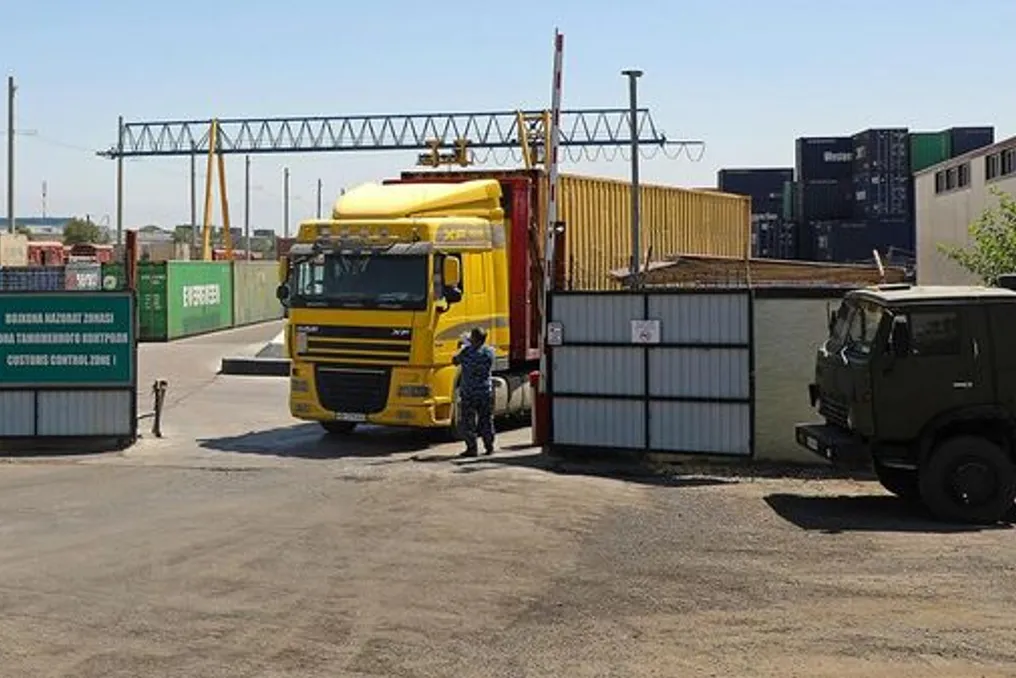
To change the current situation, the study advocates for the necessity of 'unifying trade data collection,' suggesting that reusing 'existing customs and veterinary sanitary processes' would allow countries to 'develop a robust system for monitoring trade.'
Collaboration between scientists, government agencies, companies dealing in wild species, and consumers driving demand is also critically important. Alice Hughes concludes: 'If we consider it important to stop the loss of biodiversity, we need much more comprehensive, transparent, and globally coordinated reports on wildlife trade.'