Ducati Panigale V4 2027 receives updates promising power increase and lap time reduction
Read more
AutoPapo
autopapo.com.br

Ducati Panigale V4 2027 receives updates promising power increase and lap time reduction

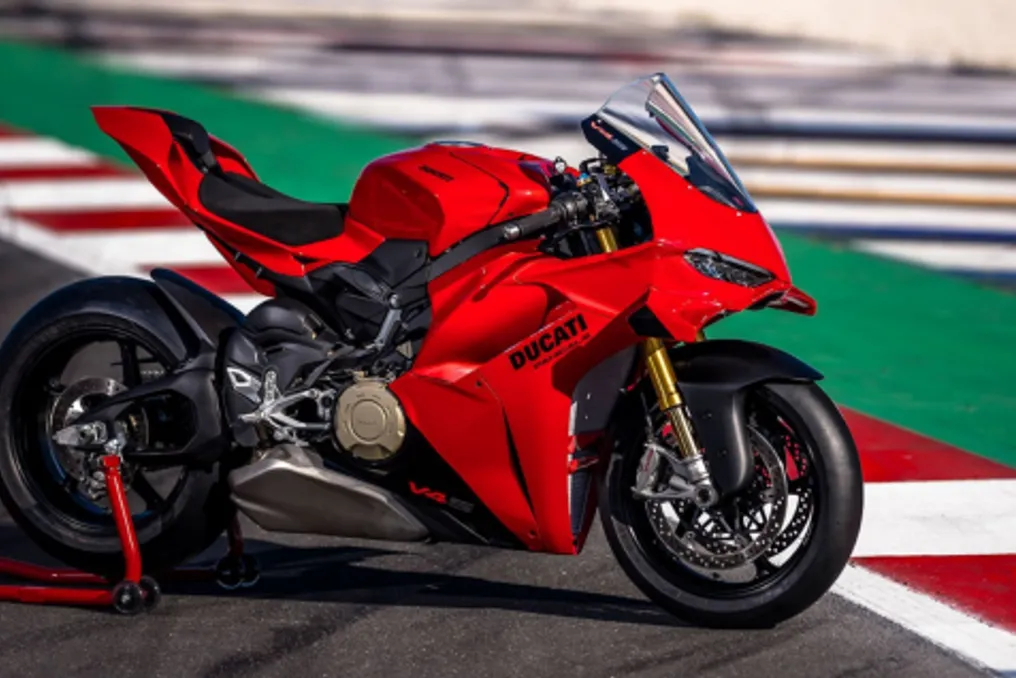
Two years after the launch of the seventh generation of the Panigale V4, presented at the World Ducati Week in 2024, Ducati revealed the 2027 line of the superbike on October 15th. The modifications do not constitute a new generation, but rather specific adjustments to the engine, transmission, chassis, and electronics. According to the manufacturer, these changes result in a lap time 0.4 seconds shorter at the Vallelunga circuit in Italy compared to the current model.

This update occurs at a strategic moment for the brand's marketing, capitalizing on the victories in the 2026 Superbike World Championship and mentioning the titles of the Italian Production SBK in 2025 (achieved with the V4 S) and the British and EuroMoto SBK in 2026 (with the V4 R).

Details of Technical Improvements

The 1,103 cm³ Desmosedici Stradale V4 engine has been updated to produce 218 hp at 13,500 rpm, an increase of two horsepower over the previous one, while maintaining Euro5+ homologation. Torque remains at 12.3 kgf·m at 11,000 rpm. The gains were achieved through a revised exhaust system, a new air intake, and the readjustment of the lubrication circuit, aiming to reduce friction losses. The engine focuses on the rotation range between 12,000 and 14,000 rpm, reaching a peak of 3.5 additional hp at 13,000 rpm, which is the typical operating range of the bike on the track.

The expanded air intake contributes to raising the air pressure by 0.6% when the bike reaches 300 km/h, generating an additional 1.3 hp at that speed. Furthermore, the rev limiter has been raised by 500 rpm, moving to 15,000 rpm, but this change only applies to gears two through four.

Changes to Transmission and Chassis

The change that generates the most significant practical impact is not in the engine. Ducati opted to lengthen the final drive ratio, which changed from 16/41 to 17/42 teeth. This adjustment makes each gear more stretched, allowing the rider to stay in the same gear ratio longer; at Vallelunga, the manufacturer estimates this means two fewer gear changes per lap. The larger sprocket also results in an 8 mm shortening of the axle, which should provide greater agility to the bike in steering maneuvers.

In terms of suspension, the main modification is a 12% reduction in the lateral stiffness of the Front Frame chassis. In high-inclination situations, where the suspension works minimally, the frame flex plays a more relevant role in maintaining tire contact with the asphalt. Ducati states that this result provides greater front grip and greater precision in cornering approach.

New Features in Riding and Electronics

The V4 S version received adjustable clip-ons, which allow for a 10 mm increase in height, enabling a higher riding posture, aligned with trends observed in MotoGP in recent years. However, this adjustment feature is exclusive for track use.

In terms of electronics, the Dynamic Engine Brake (DEB) is introduced, replacing the Engine Brake Control. This new system uses the DVO (Ducati Vehicle Observer) algorithm to modulate engine braking based on the actual load exerted on the rear tire. Concurrently, the Race Brake Control (RBC) debuts, intensifying the contribution of the rear wheel during deceleration. Together, these systems allow for later braking and tighter trajectories, although Ducati emphasizes that these are features that increase the rider's maneuverability margin on the track, and not safety equipment for road use.

Versions and Specifications

As an optional accessory, Ducati offers the Akrapovič Full Racing Exhaust PRO, intended for track use. This component promises gains superior to those of the homologated set, specifically 11 hp and 0.7 kgf·m, in addition to a weight reduction of 6.6 kg.

The S version is equipped with DES 3.0 electronic suspension, using an Öhlins NPX-30 fork, TTX 36 shock absorber, and steering damper, all controlled by Smart EC 3.0. It also features forged aluminum wheels and a lithium battery, weighing 187 kg ready-to-ride without fuel. The standard V4 has conventional suspension, with a 43 mm Showa Big Piston fork, monoshock, and Sachs steering damper, five-spoke alloy wheels, lead-acid battery, and fixed clip-ons, totaling 191 kg under the same criteria. The rest of the components are identical, including the 6.9-inch TFT display, Brembo Hypure brakes, Pirelli Diablo Supercorsa V4 tires (200/60 in the rear), biplane wing configuration, and the electronic package with a six-axis IMU.

For the first time, the Panigale enters the Ducati Factory Made program, allowing customers to order the motorcycle already customized. 11 colors are available, five of which originate from the Lamborghini Ad Personam program (Arancio Xanto, Giallo Belenus, Verde Scandal, Viola Pasifae, and Blu Uranus), in addition to the Corse and Performance paint schemes. For the V4 S, it is also possible to factory order the PRO and PRO+ front brake packages, the STM dry clutch, and the adjustable footpegs. The entry-level version, meanwhile, presents a unique configuration: Ducati red color, Urban Grey frame, and black wheels.

The arrival of the Panigale V4 2027 in European dealerships is scheduled for March 2027, while in the North American market it will occur in April. Regarding other markets, Ducati informed that distribution will continue in subsequent months, without detailing Brazil or announcing prices in any region.
Similar stories

Maruti Fronx to receive update with enhanced features while maintaining the price at 6.90 lakh rupees
Read more
www.aajtak.in

Maruti Fronx to receive update with enhanced features while maintaining the price at 6.90 lakh rupees

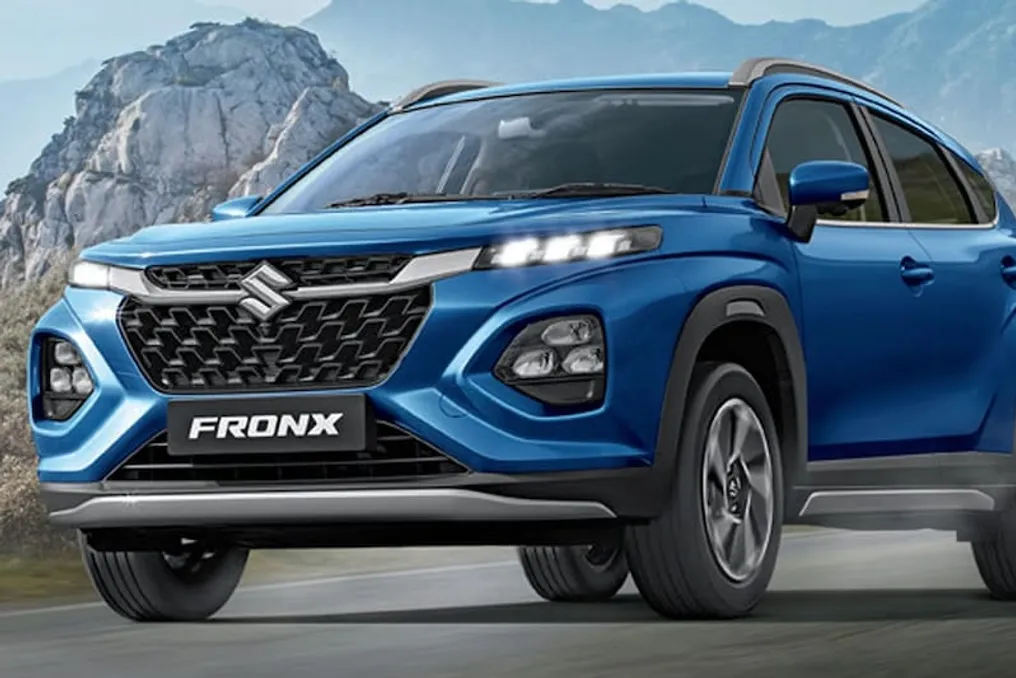
Maruti Suzuki continues to update its range of vehicles. Recently, the updated Baleno Facelift was introduced, and now the company is preparing to release the updated Maruti Fronx model. Work on the phased version of this car is underway, and its test samples have been spotted on the roads multiple times.

The new version of the Maruti Fronx has been spotted again, with the car completely covered in camouflage. Nevertheless, some design elements are visible even under this camouflage. The car will feature elements such as dual-function LED daytime running lights (DRLs), split headlights with black internal elements, and a large front grille.

Changes are expected in the front grille of the updated Fronx. Protective skid plates may be added to give the crossover a bolder appearance. The car has also been seen with existing alloy wheels.

The overall exterior look of the updated version will remain similar to the current Fronx, with significant changes focusing specifically on the front end. The rear section is not expected to undergo radical changes. The new Fronx will be equipped with a range of new features, including Level 2 ADAS, which was previously implemented in the Baleno Facelift.

Level 2 ADAS features will include automatic emergency braking, lane keeping assist, adaptive cruise control, and automatic high beam assist. In the cabin, the company plans minimal changes, but options such as keyless start, automatic climate control, six airbags, a 360-degree camera, a Head-Up Display, wireless Android Auto and Apple CarPlay support will be available.

The car will retain characteristics such as electrically adjustable rearview mirrors, cruise control, leather-wrapped steering wheel, 16-inch alloy wheels, wireless phone charging, a 9-inch touchscreen system, ventilated seats, and other conveniences.

The main change might occur in the engine. The new Fronx may be fitted with a 1.2-liter three-cylinder Z12E engine, used in the company's latest models such as Baleno, Dzire, and Swift. According to available data, Maruti is also working on an economical hybrid system that could potentially appear in the Fronx, although its release is not expected anytime soon.

Currently, the car is available at a starting price from 6.90 lakh rupees for the exterior. When used in CNG mode, fuel consumption is 28.51 kilometers per kilogram.

BYD Sealion 7 sets new standard of performance and sophistication in premium SUVs
Read more
g1.globo.com

BYD Sealion 7 sets new standard of performance and sophistication in premium SUVs

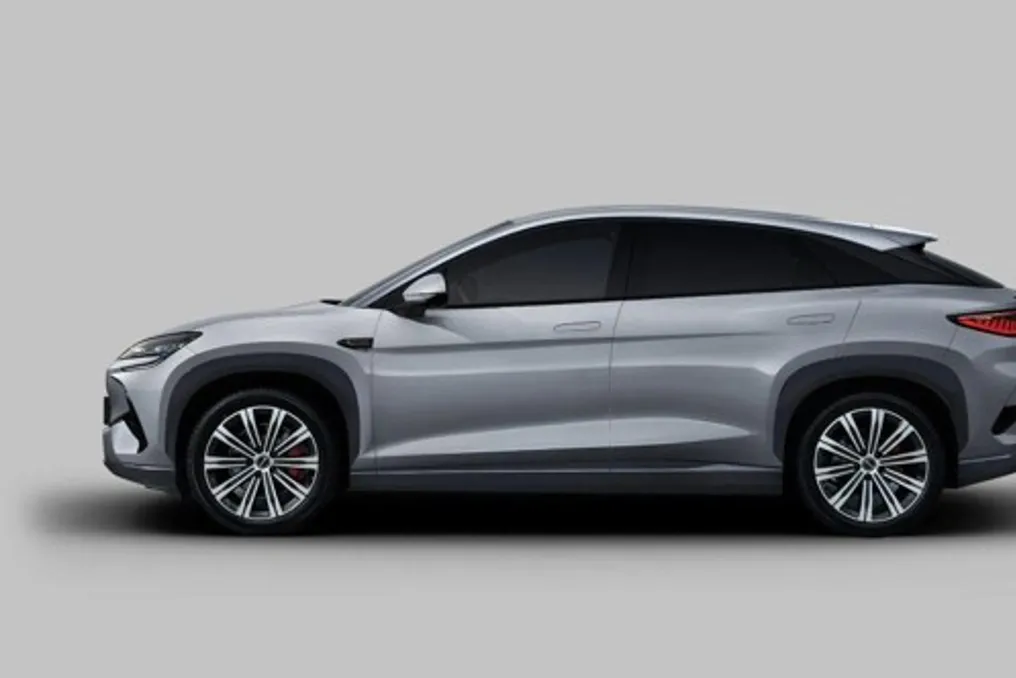
Since BYD arrived in Brazil, consumers have discovered a range of electric and super hybrid vehicles that surpass previously known models. Among the luxurious all-electric cars from the greentech, the BYD Sealion 7 stands out: this new member of the Ocean line combines the robust dimensions of a luxury SUV with the sporty and elegant lines of a coupe.

Equipped with all-wheel drive (AWD), the vehicle generates 531 hp of power and 690 Nm of torque, reaching 0 to 100 km/h in just 4.5 seconds. This setup positions the model as the most powerful among its direct rivals, raising the level of performance and sophistication in the category.

Considering the characteristics of Brazilian topography, BYD conducted specific calibration for the national market, as explained by Alexandre Aquino, product director at BYD Auto Brazil. He emphasized that the Sealion 7 offers the best of both worlds: the practicality of an SUV combined with the vigor of a high-performance sports car, mentioning a careful adjustment for Brazil without losing the model's dynamics, with a ground clearance of 169 mm.

Design, performance, and comfort

The ability of an SUV to exhibit supercar figures facilitates the purchasing decision for those who appreciate both proposals. With the BYD Sealion 7, the buyer does not have to choose between emotion and functionality. In urban areas, the coupe shape attracts attention, while the 169 mm ground clearance and the contactless trunk opening simplify daily life. On highways, the power is complemented by height control and protection.

The Sealion 7 has the highest safety rating from Euro NCAP and is equipped with nine airbags (including front, side, curtain, and a central seat airbag), in addition to a complete driver assistance package (ADAS 2). This package includes Adaptive and Intelligent Cruise Control (ACC), Automatic Emergency Braking (AEB), Lane Keeping Assist/Lane Departure Warning (ELKA/LDA), and advanced radars for cross-traffic alerts and braking, both front and rear.

This 100% electric model redefines standards of technology, design, and performance. Its range reaches 360 km in the PBEV cycle, and fast charging allows the battery to go from 30% to 80% in approximately 30 minutes.

Sophistication begins with the exterior, evidenced by the dual U-shaped headlights, the 20-inch wheels fitted with Michelin 245/45 R20 tires, and the futuristic taillight design. Inside, the BYD Sealion 7 transforms premium comfort into a high-level experience.

The cabin features genuine Nappa leather upholstery, a panoramic roof with an electric blind, multicolor ambient lighting, and a Dynaudio sound system with 12 speakers. The front seats offer heating, ventilation, and detailed electric adjustments (eight positions for the driver, including lumbar support), and the rear seats also have a heating function.

On the dashboard, a 15.6-inch rotating screen accompanies the 10.25-inch instrument cluster and a head-up display, which displays navigation alerts and information on the windshield. Alexandre Baldy, Senior Vice President of BYD Brazil, concluded that the Sealion 7 demonstrates that electrification is not just a rational choice, but also an aspirational and sophisticated one, meeting the needs of the Brazilian consumer who seeks performance and connectivity.

Kawasaki Z1100 updated and presented in India with powerful engine and modern features
Read more
www.aajtak.in

Kawasaki Z1100 updated and presented in India with powerful engine and modern features

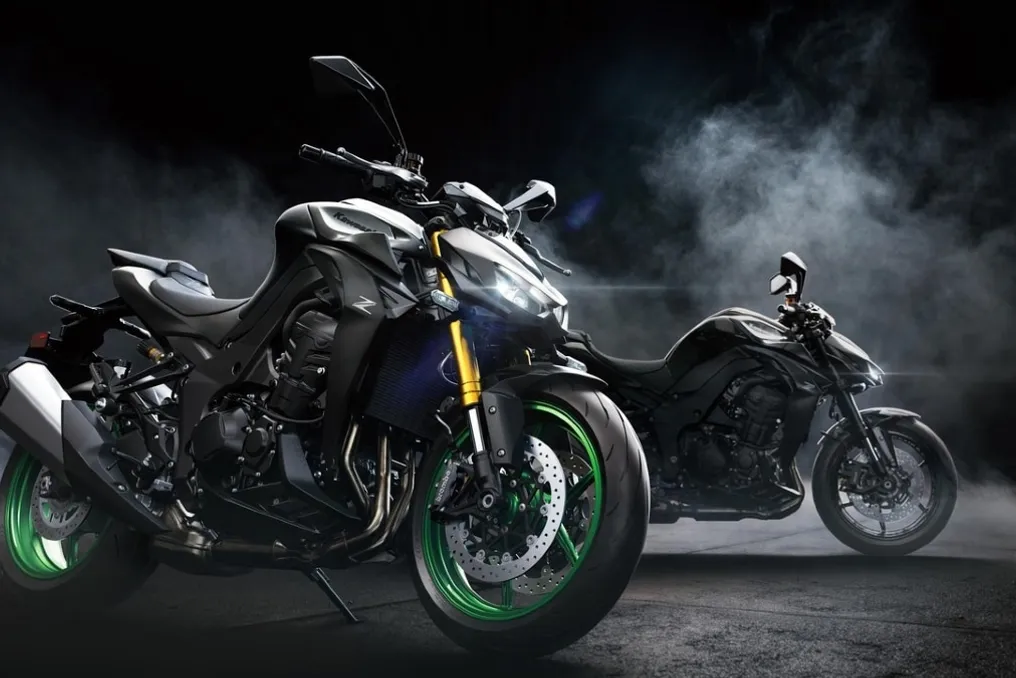
Kawasaki has released an updated version of its powerful streetfighter motorcycle, the Z1100, in the Indian market, which is aimed at superbike enthusiasts. The company has not made significant changes to the design, engine technical specifications, or pricing policy of the new release.

The motorcycle remains available for 12.79 lakh Indian rupees, including exterior costs. The new Kawasaki Z1100 variant is presented in a single color—Ebony/Metallic Carbon Grey. Despite the lack of new technical improvements or features compared to the previous model, the introduction of new graphic elements or color options could give the bike a fresh look.

The Kawasaki Z1100 uses a liquid-cooled, four-cylinder inline engine with a displacement of 1099 cubic centimeters. This engine is capable of generating 136 hp and 113 Nm of torque. It is worth noting that this same engine is used in the updated touring motorcycle, the Versys 1100, although there it is offered with slightly less power and torque. In the Versys 1100, the engine produces 135 hp and 112 Nm. Such power levels are typically seen in compact cars sold in the Indian market.

Structurally, the Kawasaki Z1100 is equipped with a tubular diamond frame. The front suspension features a 41 mm diameter inverted (USD) fork with a travel of 120 mm. The rear is supported by a monoshock with back-linkage, featuring a travel of 136 mm. The front damping allows adjustment of compression and rebound, while the rear suspension allows setting of preload and rebound.

The braking system includes two 310 mm Brembo disc brakes in the front and one 260 mm disc brake in the rear. In terms of equipment, the Kawasaki Z1100 is fitted with a 5-inch TFT display. Additional features include a bidirectional quickshifter, cornering traction control, and dual-channel ABS. The traction control system has three levels, helping to maintain better control while riding.

The motorcycle also features cruise control and smartphone connectivity, making long journeys more comfortable and providing the rider with necessary information. The overall weight of the bike is about 220 kilograms, and the fuel tank capacity is 17 liters, which is quite advantageous for long trips. In the Indian market, the Kawasaki Z1100 competes with powerful models such as the Honda CB1000 Hornet SP, which is priced at 13.29 lakh rupees.

Popular