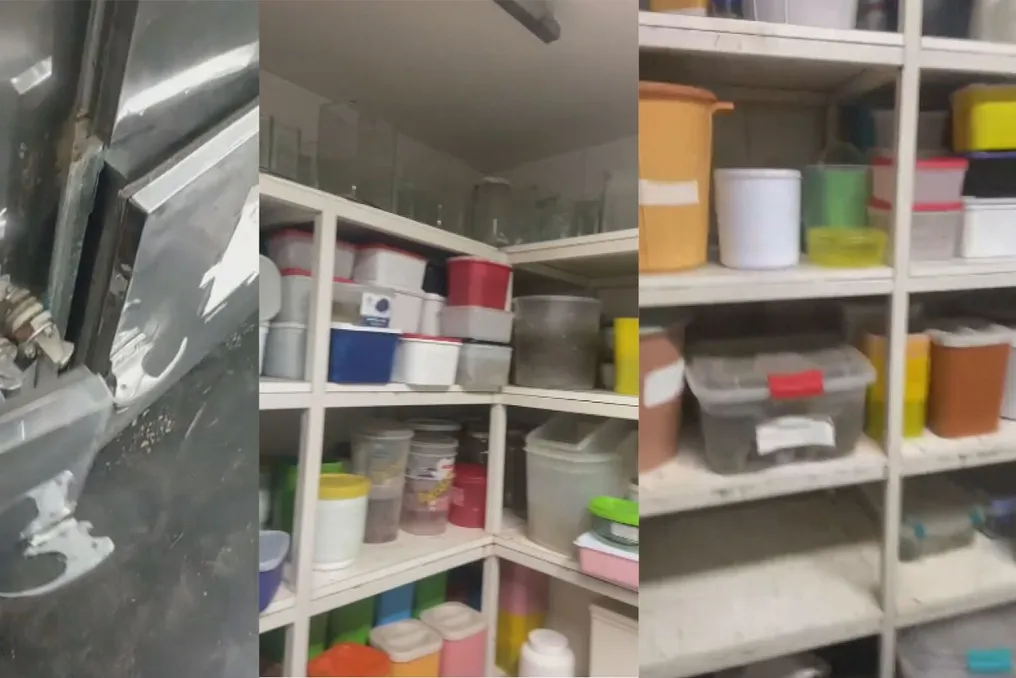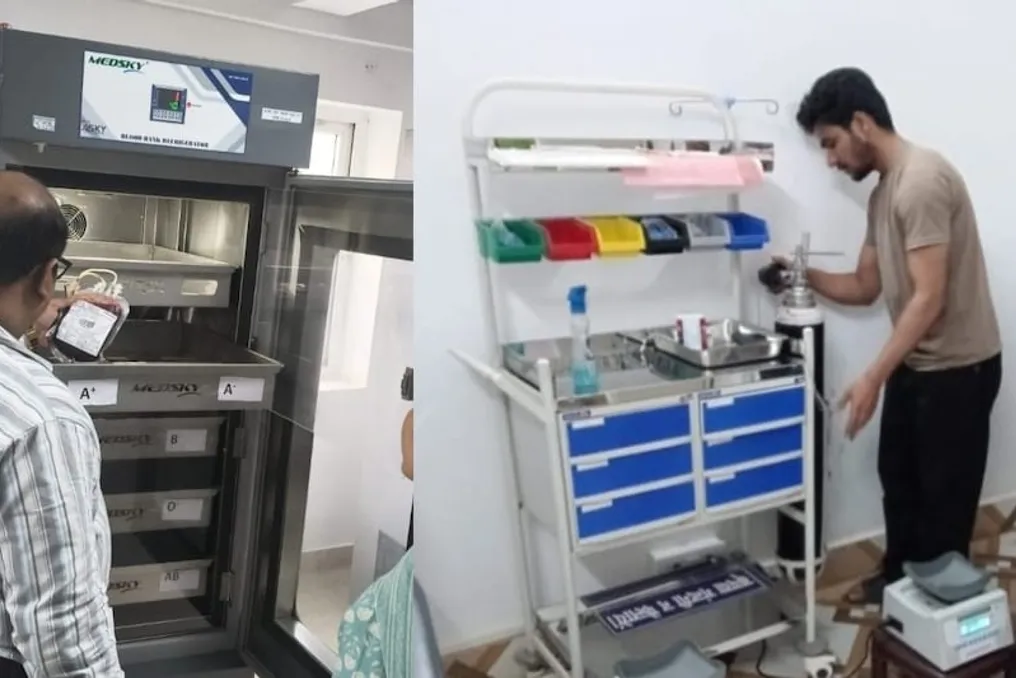
The Food Safety and Drug Administration (FSDA) has taken serious measures against blood centers in Uttar Pradesh that endangered patients' lives. Following surprise inspections at 81 blood centers across 31 districts of the state, serious violations were uncovered, leading to the immediate suspension of all operations related to blood and its components in 14 facilities. Initially, measures were taken in seven centers, and seven more have now been closed.
Inspections revealed that instead of the mandatory ELISA analysis for blood screening, rapid tests were being used, and some blood components were stored in malfunctioning deep freezers. Furthermore, many centers lacked doctors and qualified technical staff despite continuing activities for blood collection, processing, and distribution. In light of these critical deficiencies, the department has taken appropriate action.
This special campaign is being conducted to ensure the quality of blood and patient safety in centers managed by charitable foundations and societies. The centers whose operations were halted have been instructed on the safe disposal of existing blood and components according to standards. As for the other inspected centers, notifications are being sent requiring them to provide explanations regarding the identified shortcomings.
Inter-district inspector teams for pharmaceuticals are conducting checks on blood centers, assessing blood quality, the presence of mandatory infection tests, and proper storage of blood components. They also check cold chain systems, temperature control, inventory and donor records, pricing, and the availability of trained technical personnel.
During the departmental inspection, it was found that basic blood safety standards were ignored in some centers. There were instances where records of necessary tests could not be found, and equipment was in poor condition. Expired medications and injections were discovered in emergency trays in some locations. Taking these deficiencies seriously, the FSDA initiated a comprehensive special inspection across the entire state.
According to officials, this campaign is being carried out due to the growing impact of seasonal and infectious diseases. With diseases such as Dengue fever and malaria, patients require an increased amount of blood, platelets, and other blood components. The department's goal is to ensure the uninterrupted availability of safe blood, make the system transparent, and provide patients with quality blood at a reasonable price.
During the surprise inspections, numerous instances of rule violations were identified. The main violations recorded during the inspection include:
- Jai Hind Charitable Blood Centre (Agra): Lacked a thermograph for continuous recording of refrigerator and freezer temperatures. Blood components used for sterility testing were given to patients without proper documentation.
- Pakwara Charitable Blood Centre (Moradabad): A medical worker and consultant were absent during the inspection. New staff were hired without prior notice. Sterility and CPDA tests were not performed. Expired injections were found in the emergency tray.
- Jeevan-24 Charitable Blood Centre (Amroha): Rapid tests were used for TTI screening, while ELISA and sterility tests were not conducted. Mold was found in the component room. Expired medications were also found in the emergency kit.
- Yashwanti Charitable Blood Centre (Bijnor): Numerous serious violations were found. There were no records of the bank refrigerator temperature schedule, percentage sterility testing, CPDA solution checks, or blood collection permits. The deep freezer temperature was 26.7 degrees Celsius instead of -80 degrees Celsius. This center lacked a generator, emergency medicines, and mandatory personnel. No nurse or technical supervisor was found. Deficiencies included blood collection by unauthorized persons and the absence of a posted price list. Only software, not a manual logbook, was used. No evidence was provided regarding donor protein assessment and volume transfusion.
- Bharat Humanity Charitable Blood Centre (Badayun): This center operated without a valid contract and proper organization. Neither a doctor nor technical staff was present during the inspection. Necessary blood collection equipment and official registries were not found.
- Dibai Charitable Blood Centre (Bulandshahr): A medical worker and technical staff member were absent. Serious irregularities were noted in inventory and test tube records. The refrigerator temperature log was not maintained. Expired medications were found in the emergency tray.
- Badlapur Charitable Blood Centre (Jaunpur): Necessary personnel were absent during the inspection. No records were found regarding sterility, CPDA, or ELISA screening. Thermo...